


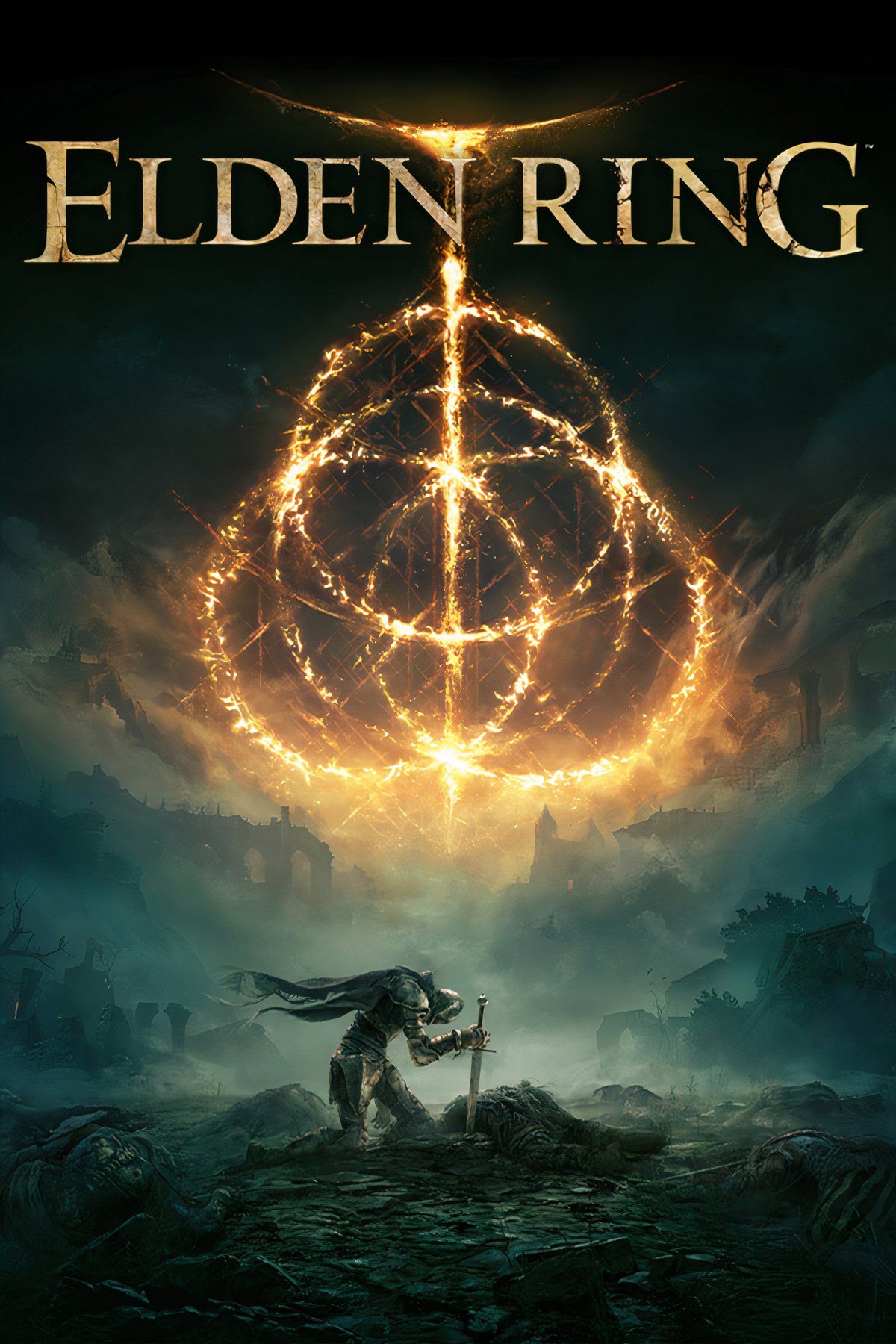
Skeletons are among gaming’s most recognisable enemies, yet Elden Ring gives its undead fighters an unusually memorable presence. FromSoftware uses them to blend humour, irritation and old ideas about death.

An enemy with ancient roots
The animated skeleton became a familiar fantasy opponent through tabletop role-playing games. Gary Gygax, one of the co-creators of Dungeons & Dragons, helped establish the bones-and-blades enemy as a recognisable early challenge: simple to understand, mildly threatening and often entertaining.
That tradition reaches much further back, however. Folklore and mythology from many parts of the world contain stories of the dead returning in skeletal form. Those older images continue to shape the way games present skeletons today.
How FromSoftware makes bones memorable
In Elden Ring, the skeletons belong to a wider mythology of ruined kingdoms, curses and unnatural survival. Their presence supports the game’s atmosphere, while their behaviour prevents encounters from becoming completely bleak.
They can be amusing in one encounter and frustrating in the next. That mixture reflects FromSoftware’s talent for taking a familiar enemy type and giving it enough personality to serve both the setting and the combat.
Why skeletons suit arcade design
A skeleton communicates its role almost instantly. Its silhouette, theme and threat are clear without a long explanation, which is one reason the archetype also fits the direct language of classic arcade and gaming design.
That clarity is useful when considering how to choose an arcade machine. Like a strong arcade cabinet, a good enemy should tell players what it is and what to expect at a glance.
In practical terms, readable characters also influence the way players interact with a cabinet. A well-maintained arcade joystick and button setup helps preserve the immediate feedback that makes simple enemy designs effective.
The lasting appeal of the undead grunt
Skeletons endure because they balance familiarity with flexibility. They are visually straightforward, connected to global mythology and easy to place in a fantasy world, but each game can give them different movement, tactics or comic timing.
Elden Ring draws on that long history instead of treating its skeletons as disposable background foes. The result is a classic undead enemy that remains funny, annoying and effective within a modern action role-playing game.
For players interested in how old design ideas continue to influence modern entertainment, RETROCADE’s arcade videos offer another way to explore the medium’s evolving visual and interactive language.
Those studying the craft more closely can also compare the game’s clear enemy silhouettes with DIY arcade cabinet projects, where readable controls and instantly recognisable presentation remain important considerations.


Leave a Reply