

Twin Engine, the Japanese anime production company behind Vinland Saga and Witch Hat Atelier, has formed a strategic partnership with Bandai Co., Ltd. The agreement, announced on Wednesday, includes an initial investment of ¥4 billion, equivalent to approximately US$25.35 million.
The companies plan to build new intellectual properties together, beginning with an original manga, an anime adaptation and licensed merchandise. The details are outlined in Twin Engine’s news release, which was translated by machine.
A long-term plan for new anime properties
The partnership reflects a desire to manage an intellectual property from its earliest creative stages through production, licensing and commercial release. Manga properties increasingly expand into animation, merchandise and other entertainment categories, but the companies say that this growth requires a more joined-up strategy.
Twin Engine will contribute its experience in planning and anime production, while Bandai will oversee product development, marketing and licensing for the properties created through the partnership. For Australian fans who follow the latest arcade and gaming news, the arrangement is notable because it connects anime creation with the wider business of turning licences into interactive and collectible products.
Why the anime business is changing
Anime’s rapid international growth has encouraged major entertainment companies to reconsider how they develop and monetise intellectual property. The established approach is not always delivering the strongest results. Recent financial reports show that Kadokawa’s consolidated operating profit fell 51.3% year on year in 2026. The company attributed the decline to excessive dependence on established formulas and intellectual properties that lacked originality, a point many commentators interpreted as a reference to the large number of isekai series released each season.
Moving beyond the production committee model
New, distinctive properties are one part of the challenge. The industry is also examining the production committee system used by many anime series. Under that model, several companies form a joint venture to finance and produce a title, spreading financial risk between participants.
However, the structure can contribute to production pressures. Animation studios are generally contracted to work across multiple projects, while they do not receive a direct share of the resulting profits. That arrangement has increasingly prompted studios and investors to consider models that provide greater control over development and ownership.
MAPPA offers one example. The studio financed the entire Chainsaw Man anime, retaining ownership of the property and greater creative control. MAPPA later announced a strategic partnership with Netflix that is expected to produce more anime projects. Its president, Manabu Otsuka, said he hoped animation studios would lead every stage of anime production.
What Twin Engine and Bandai bring to the deal
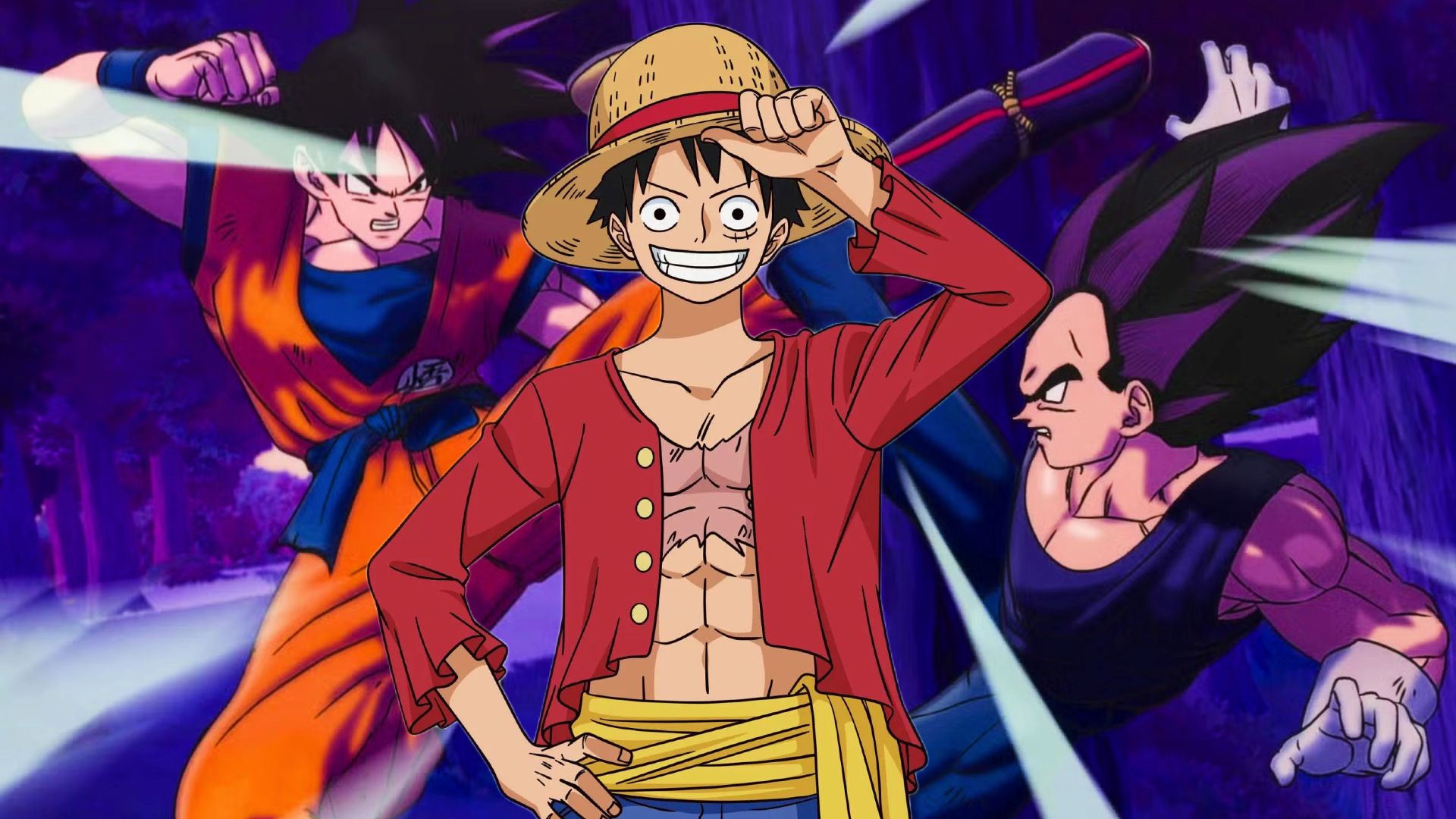
Twin Engine operates 18 animation studios, including Scooter Films and Bug Films, both established by the company in 2021. Bandai brings experience with major international licences such as Mobile Suit Gundam, One Piece and Dragon Ball.
The agreement therefore combines a substantial anime production network with expertise in merchandise, licensing and commercial expansion. It also follows a broader move by major Japanese entertainment companies to bring more of the intellectual-property pipeline under their own control.
That shift matters beyond television and publishing. Strong anime licences can eventually reach games, collectibles and dedicated arcade machines, while smaller setups can support themed play at home through compact bartop arcades. The partnership does not announce a specific arcade title, but its structure shows how closely creative production and licensing are now connected.
A significant test for the next generation of IP
Anime and manga continue to perform strongly worldwide, yet Japanese entertainment companies still face pressure to adapt their methods. Twin Engine and Bandai’s agreement is another sign that the industry is questioning committee-led production and looking for more integrated ownership.
The success of this partnership will depend on whether it can produce original properties with lasting appeal while coordinating creative work, licensing and product development from the outset. If it does, the model could become an important reference point for how future anime franchises are built.
For readers interested in the hardware side of licensed entertainment, RETROCADE’s arcade machine buying guide explains the key considerations when choosing a cabinet for a home or games room.


Leave a Reply