


Tomodachi Life: Living the Dream has become one of Nintendo’s biggest recent surprises. Although it launched for the original Nintendo Switch, the quirky life simulation game has reportedly sold more than several major series entries released for Switch 2.
Tomodachi Life reaches 7.96 million sales
Nintendo’s latest financial figures list total sales of 7.96 million units for Tomodachi Life on Nintendo Switch. That is a striking result when compared with several 2026 Switch 2 releases.
Star Fox and Yoshi and the Mysterious Book have each sold fewer than one million copies. Pokémon Pokopia has performed more strongly, reaching at least 3.6 million sales by early June. However, that figure excludes Japanese sales reported separately by The Pokémon Company. Even without those numbers, Pokopia ranked among the five best-selling Switch 2 games.
On the available figures, Tomodachi Life: Living the Dream has sold more copies than several established franchises combined, despite being a release for the older console. Some owners will have played it on Switch 2, which supports backwards compatibility, but the game remains officially a Nintendo Switch title rather than a Switch 2 exclusive.
Nintendo’s published software-sales page hasn’t been updated on Nintendo’s site. The newer financial report nevertheless indicates that Tomodachi Life is outperforming many games designed specifically for Nintendo’s latest hardware.
For more coverage of the wider games business, browse RETROCADE’s arcade news and editorial coverage.
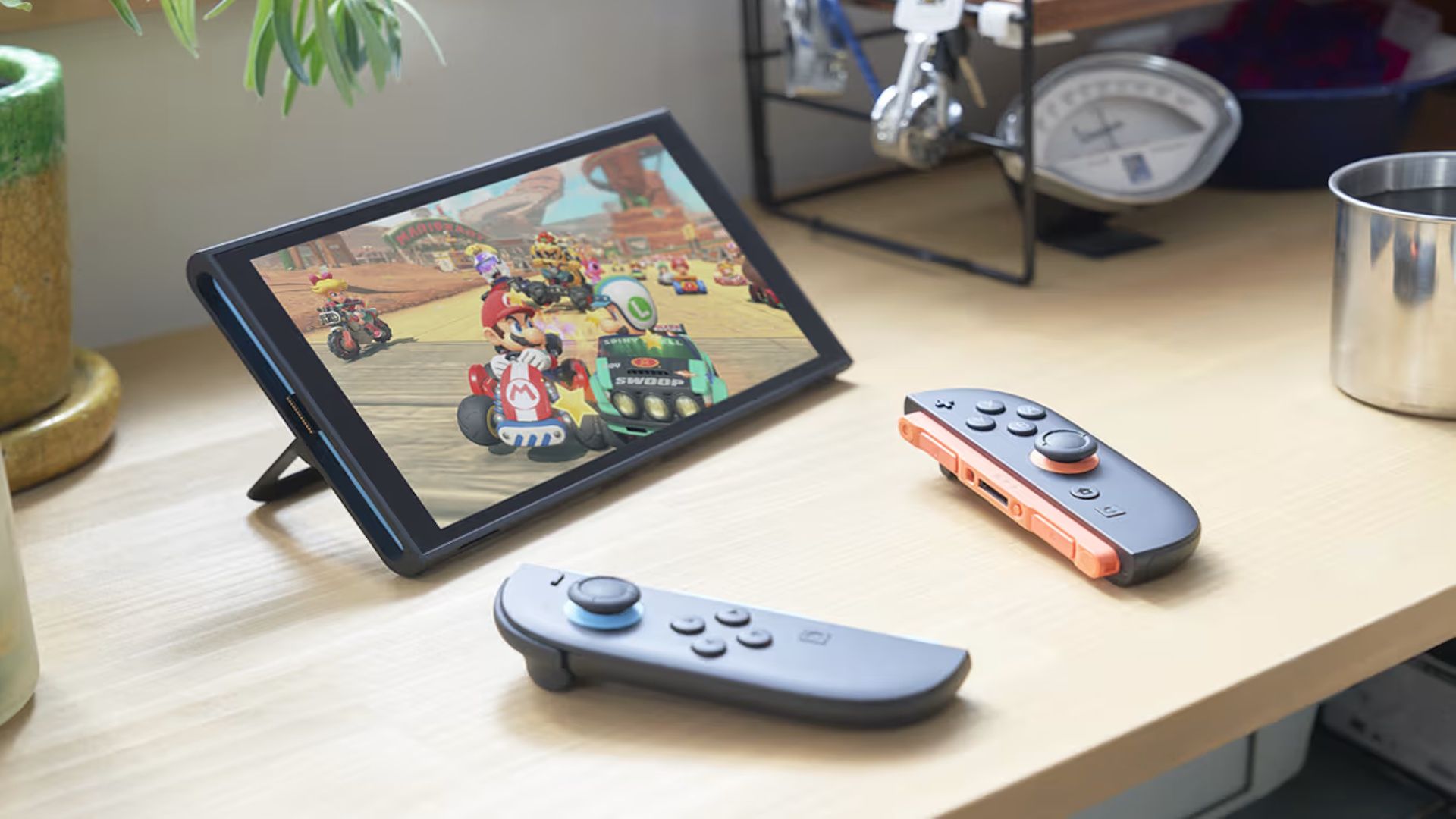
Why the life simulator connected with players
The sales result makes sense to players who have spent time with Nintendo’s 2026 exclusive. The game lets custom Mii characters share an island and interact in deliberately strange, unpredictable ways. Those situations are well suited to screenshots, clips and social-media sharing.
Tomodachi Life also takes a more permissive approach than many Nintendo games. Players can populate their island with content that would commonly be filtered or blocked on other platforms. Rather than turning the game into an unpleasant free-for-all, that freedom has helped it stand apart from a crowded release schedule filled with familiar video-game brands.
Its unusual social design also highlights why accessible, character-driven games can build momentum beyond traditional genre audiences. That same emphasis on watching and sharing play is familiar to arcade fans, whether they are following arcade videos or exploring a home arcade machine collection.
A correction about the platform
Correction: This article has been updated to clarify that Tomodachi Life: Living the Dream is a Nintendo Switch release, not a Nintendo Switch 2 exclusive.
Readers considering a dedicated gaming setup can also use RETROCADE’s arcade machine buying guide to compare the main cabinet formats.


Leave a Reply