

Christopher Nolan’s The Odyssey brings Homer’s ancient adventure to the screen as a vast cinematic spectacle. For a very different perspective on the same legend, follow it with Uberto Pasolini’s The Return, now streaming on Paramount Plus.
Where Nolan embraces the mythological scale of Circe, the Cyclops, the Sirens and Poseidon’s fury, The Return concentrates on what happens after the voyage. It turns Odysseus’s homecoming into a harsh, intimate account of a man returning from 20 years of violence.
Ralph Fiennes plays an aging Odysseus who reaches Ithaca after the fall of Troy and a brutal journey shaped by Poseidon’s wrath. His kingdom has changed, his family barely knows him, and Penelope’s suitors have filled the palace. The familiar story becomes a tense drama about identity, trauma and recognition.

A grounded vision of Homer’s hero
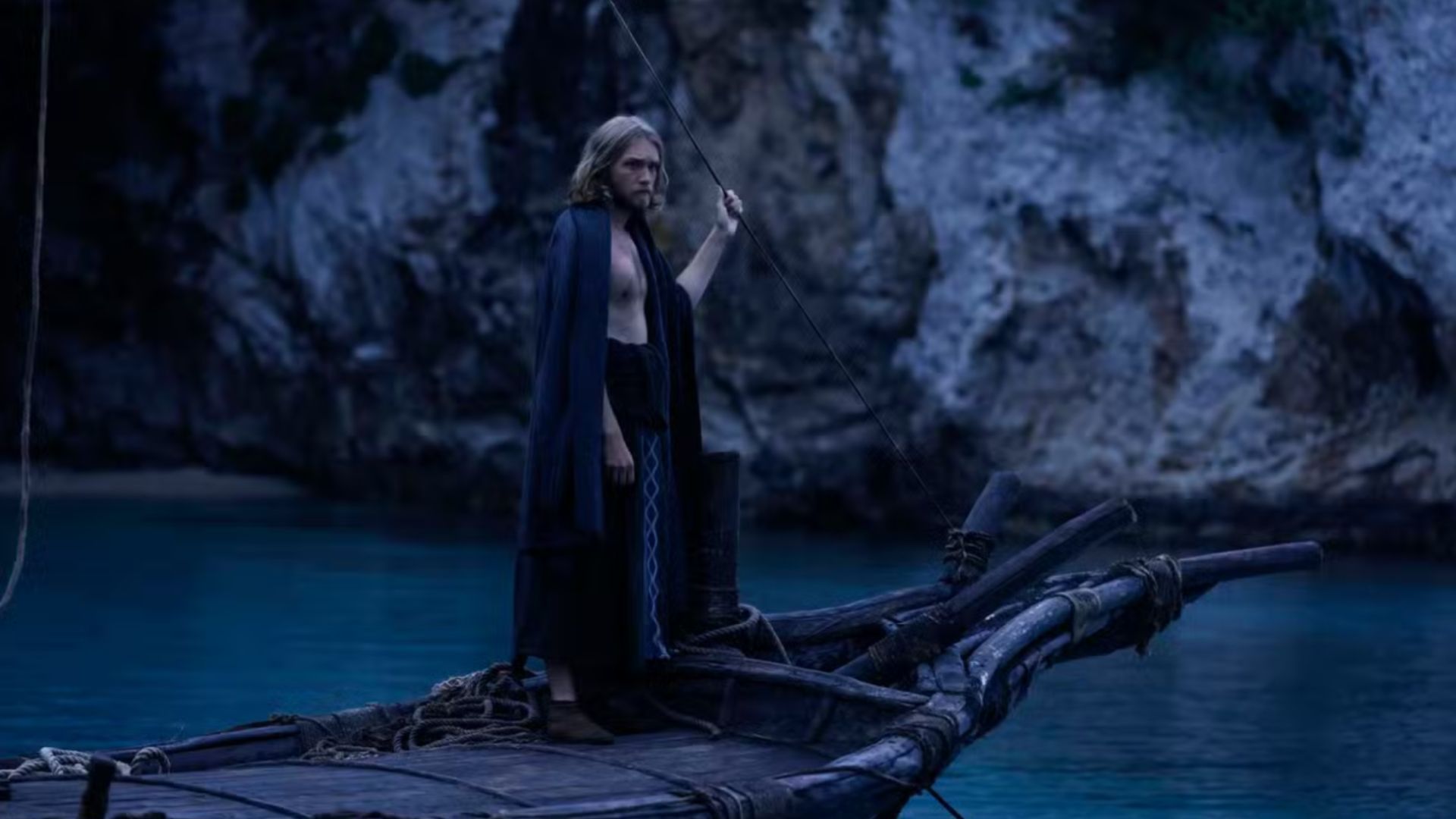
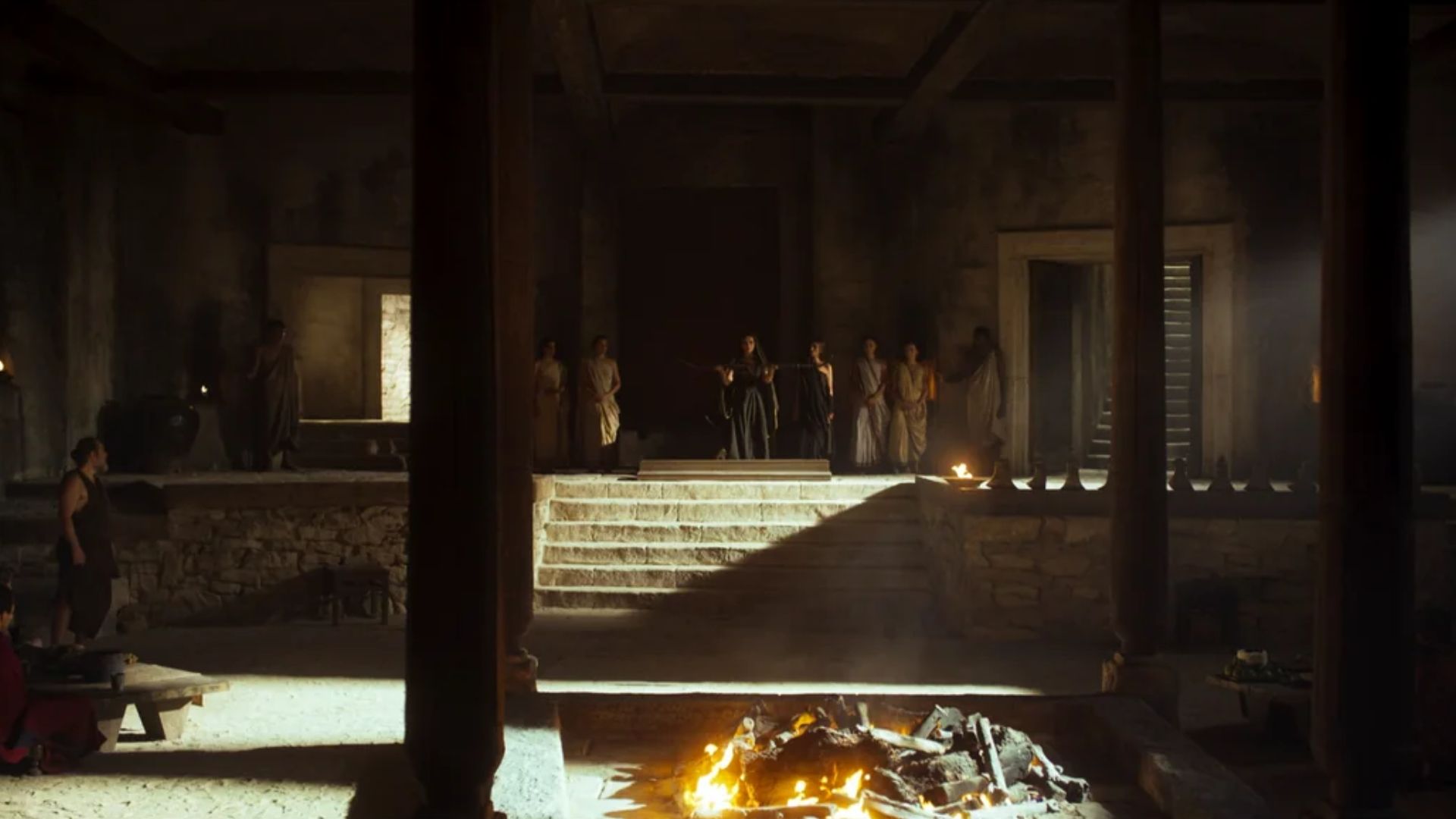
Pasolini avoids competing with a large-scale blockbuster. Instead, the film was shot in Greece, including Corfu and the Peloponnese, as well as Italy. Sun-worn coastlines, battered stone buildings, practical clothing and restrained production design make the ancient world feel inhabited rather than fantastical.
The dialogue draws on Homer’s themes without becoming stiff or theatrical. Silence often carries as much meaning as the spoken words, giving the conversations a modern emotional directness despite the Bronze Age setting.

Fiennes delivers one of his strongest performances in years. His Odysseus is not presented primarily as a triumphant legendary king, but as a gaunt, exhausted man whose body and mind have been eroded by war. His stillness communicates the memories and regret that the people around him cannot fully understand.
That makes the performance an interesting companion to Fiennes’s recent work in 28 Years Later and The Bone Temple. In each, his physical presence does considerable storytelling. For my money, he is even more convincing than Damon at portraying a hero worn down by experience.
Several lines linger after the film ends. Reuniting with Eumaeus, played by Claudio Santamaria, Odysseus observes, “People love stories.” Later, describing Troy, he says, “We burned it to the ground and dried the flames in blood.” Fiennes delivers the words as a confession filled with remorse, not as a proud account of military glory.


The cost of coming home
The distinction between the two adaptations is clearest in their treatment of Odysseus. Nolan’s version explains why he became one of mythology’s great heroes. Pasolini asks what that transformation demanded from him.
The supporting cast strengthens that focus. Charlie Plummer gives Telemachus a vulnerable edge as a son meeting a father he scarcely knows. His sea journey remains off-screen, but he receives several strong scenes later, including a tense woodland chase as the suitors attempt to kill him.
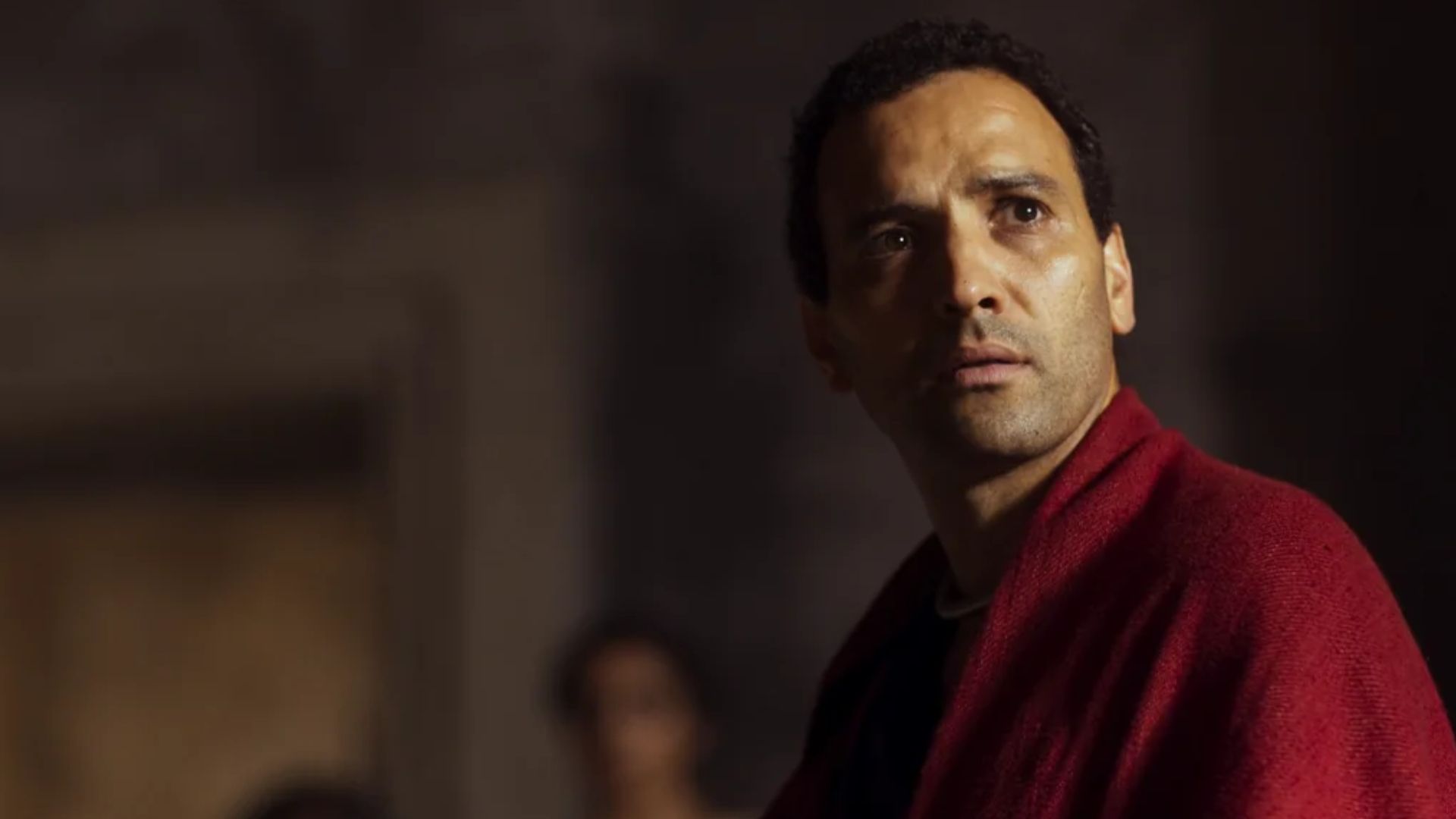
Marwan Kenzari makes Antinous dangerously self-assured, keeping the palace scenes under constant pressure before the character reaches a particularly unexpected end. Santamaria’s Eumaeus provides warmth and steadfast loyalty, giving the film an emotional anchor.
Some of the most powerful moments are reunions rather than fights. Odysseus’s encounter with Argos, his faithful dog, is devastating because Pasolini allows recognition to unfold without rushing it. His first meeting with Penelope is equally restrained: she does not realise that the stranger before her is her long-lost husband, and the scene communicates the cost of war through pauses and what remains unsaid.
These scenes reveal the film’s central idea. The Odyssey is not only about surviving the journey; it is also about facing the uncertainty of what remains when the journey is over.
A patient but rewarding companion
The Return is deliberately slow at the beginning, and its restraint will not suit every viewer. At times, its commitment to Homer’s text and historical atmosphere makes it feel almost austere.
That patience is also the film’s greatest strength. Pasolini removes much of the familiar mythology and leaves a deeply human study of a damaged man trying to reclaim a home that may no longer be his.
For readers who enjoy exploring how stories move between film, games and interactive entertainment, the RETROCADE Arcade Blog is a useful place to browse. Those planning a home setup can also compare options in the Arcade Machine Buying Guide, from full-size arcade cabinets to compact bartop arcades.
Watch Nolan’s film for the adventure and spectacle, then turn to The Return for the reckoning. Together, they offer two contrasting portraits of one of literature’s most enduring heroes.
The Return is streaming on Paramount Plus.


Leave a Reply