


Star Wars Zero Company has an obvious pitch: take the turn-based squad tactics of XCOM and place them in the Clone Wars. After around 10 hours with a preview build, that comparison remains accurate—but it also understates how effectively developer Bit Reactor is shaping the formula around Star Wars characters, abilities and battlefields.


A ragtag crew in the Clone Wars
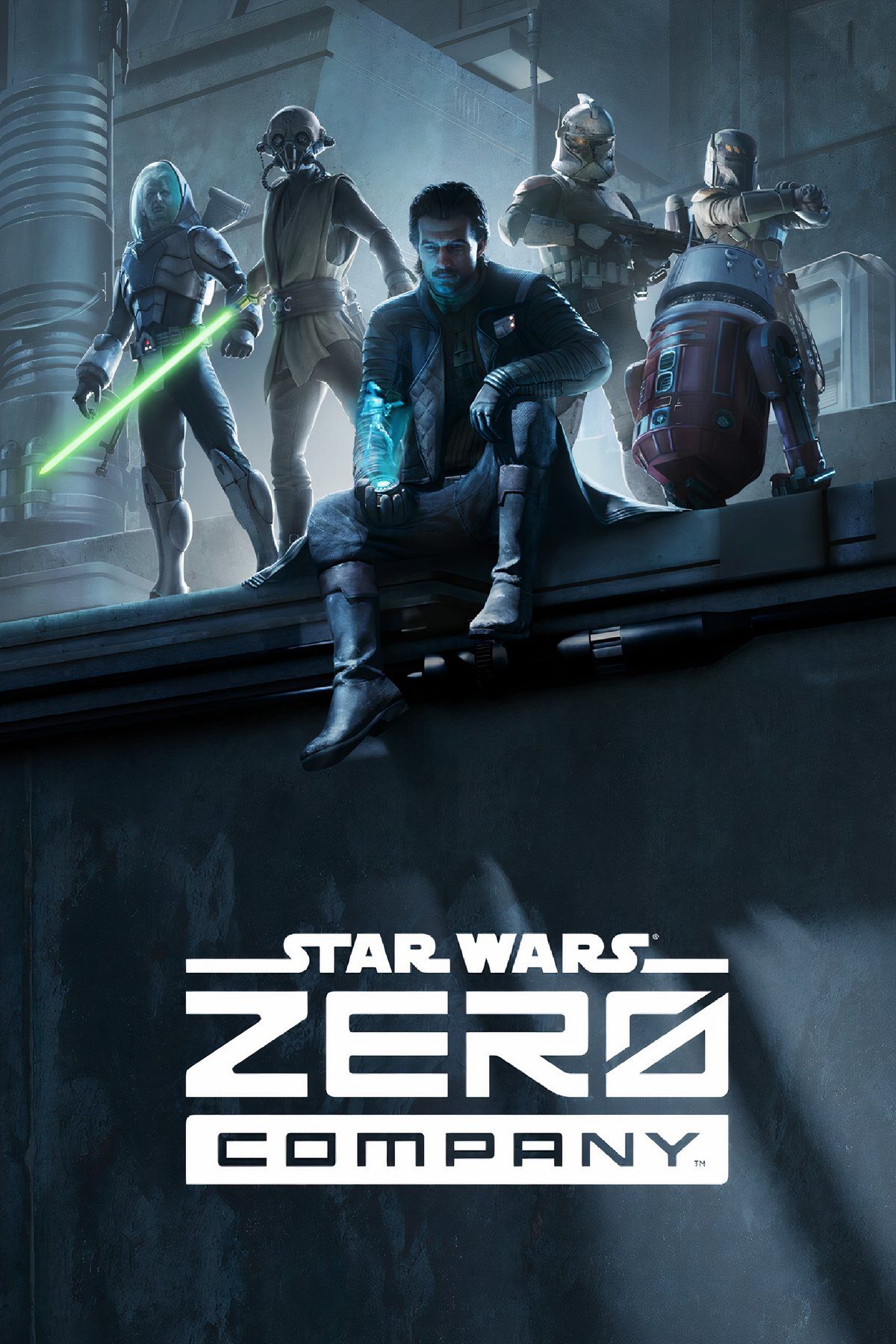
You play as Hawks, the leader of Zero Company, a group of freelancers taking jobs across the galaxy. Work is scarce during the Clone Wars, leaving the crew in financial trouble and pushing them into covert cooperation with the Galactic Republic.
The story explores less familiar planets and introduces a bug-worshipping cult whose presence adds another layer of danger beyond the conflict between clones and droids. Its visual and tonal identity draws strongly from the prequel era, combining practical-looking technology with hard science-fiction design. Several Clone Wars actors also return for the game.

The crew is held together by circumstance rather than shared loyalty. Zero Company’s manager supports the Separatists, while Hawks’ closest friend is a decommissioned clone who remains committed to the Republic. The wider team includes a minor noble from a deep-space mining family, a demanding Republic military figure and Kabbie, an irreverent character whose habit of blending words can become irritating despite his likeable attitude.
That mixture creates strong potential for character-focused storytelling. Even with only fragments of their histories revealed, the squad members became people I wanted to protect in battle and check in with between missions. Recruitable characters also have distinctive backgrounds and exaggerated personalities, including a medic whose violent past makes them unusually effective at critical hits. Their dialogue and combat comments give the supporting cast a clear identity, while the banter is more purposeful and better performed than the genre’s usual forced jokes.
Promising turn-based combat
The tactical missions follow a familiar structure. Characters with different roles and abilities move through compact but complicated environments, using cover and coordinated attacks to defeat enemies in turn-based encounters. The game’s strongest ideas come from the way classes, equipment and teamwork interact.

Each class has passive role perks. Scouts mark enemies they hit, making those targets easier for the rest of the squad to attack, while scoundrels can bypass enemy defences without needing a special buff. Individual skills may initially seem modest, but upgrades, weapon modifications and relationship-based passive bonuses gradually allow more specialised builds.
A sharpshooter, for example, can gain access to a shot that cannot miss. It starts with limited damage, but critical-hit upgrades and weapon mods can turn it into a reliable finishing move. These are only some of the possible build choices.
The astromech droid adds another tactical option. It occupies a squad slot that could otherwise belong to a damage-focused character, but its additional item capacity and ability to grant allies more action points can create powerful turns. With the right setup, the droid can help teammates act repeatedly or throw several grenades in one round.
Special abilities consume advantage, a shared resource generated during combat, and some skills have limited uses per mission. Managing that resource prevents every encounter from becoming an effortless ability showcase. Story missions and character quests also feature multiple phases, with battlefield changes that punish players who spend their strongest options too early.
Operations and optional missions create friction
Between battles, Hawks manages the crew and base, collects intel and chooses the next activity. This structure will feel familiar to players who have spent time with XCOM 2 or Marvel’s Midnight Suns, but the non-combat layer is considerably less compelling than the tactical missions.
Operations are text-based assignments in which squads are sent to complete tasks, sometimes with decisions that affect the result. Warnings identify choices that could harm the selected team, reducing much of the uncertainty. Regional reputation also feels functional rather than meaningful: complete enough quests in an area, collect rewards and repeat the process elsewhere.
The game offers a large number of tactical and operational quests. Optional battles are not inherently poor, but many use similar objectives and layouts, making their repetition increasingly obvious. Intel costs can make the problem worse, as scouting for new missions or character quests may require several additional activities first. Because these diversions rarely change the broader campaign in a substantial way, they can feel like a chore rather than a strategic decision.
Base management is similarly cumbersome. More than half a dozen menus are spread across different terminals, requiring repeated movement between them whenever the squad needs attention. After 10 hours, a simple menu-navigation option felt essential. The combination of busywork and awkward base administration echoes criticisms previously directed at Midnight Suns, a game on which several Bit Reactor leads also worked.
A strong core with some baggage
The uneven management systems are easier to tolerate when a main mission or character quest begins. The combat has a flexible foundation, and the early missions already allow creative combinations that can feel delightfully overpowered without removing the need for careful planning.
For readers comparing the game with the wider arcade and gaming news landscape, Zero Company is clearly designed for a screen rather than a traditional cabinet. Its emphasis on deliberate turns, squad customisation and layered menus makes it a better fit for a home setup than a quick arcade session. Players considering a dedicated gaming space can also consult RETROCADE’s arcade machine buying guide before choosing hardware for a broader games room.
Bit Reactor and EA are scheduled to release Star Wars Zero Company on 27 August for PlayStation 5, Windows PC and Xbox Series X. The preview suggests a tactical game with an engaging cast and a flexible combat system, although its repetitive optional content and cumbersome management layer may test players’ patience.
Why arcade fans may still appreciate the design
The appeal here is not traditional high-score arcade action, but the clarity of its tactical decisions. Every move, ability and piece of cover contributes to a readable encounter, much like the focused interaction found in well-designed compact bartop arcades. Players building a custom setup may also find useful ideas in RETROCADE’s DIY arcade kits and arcade parts collections.




Leave a Reply