


🔥 The Mortal Kombat chaos that made parents yell and teens fight for their Fatalities! 🔥
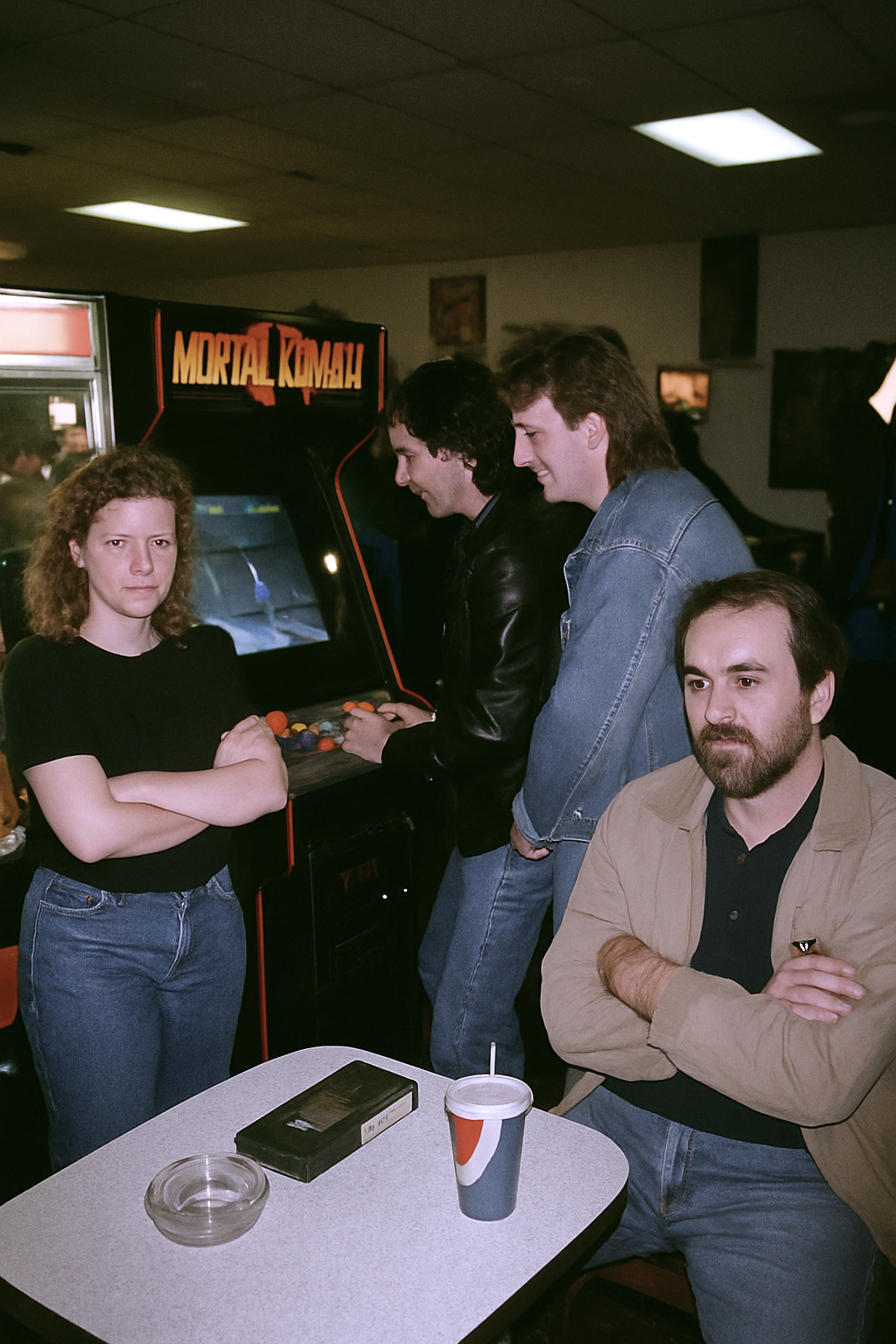
What Happens in the Arcade Stays in the Arcade—Until Mortal Kombat Changed Everything
Remember that moment? The screech of joystick battles, the neon glow of cabinets lining the corner store, the unmistakable 16-bit sprite of Liu Kang launching a flying kick as the crowd held its breath? It felt like stepping into a gladiator’s arena, except your weapon was a tiny joystick and your battleground was the fluorescent-lit floor of your neighborhood arcade. But then came Mortal Kombat—a game so raw, so shockingly brutal, it didn’t just evolve the fighting genre; it detonated the entire arcade culture with controversy.
That same feeling is why a handheld retro game console or a retro arcade machine still hits harder than a perfect modern setup.
The Scene That Sparked a Frenzy
It was the early ’90s, teenage rebellion in full roar, and arcades were sanctuaries where school rules dissolved under the spit and pop of soda cans and the clatter of tokens on metal trays. Mortal Kombat wasn’t like anything before it—gritty, bloody, and unapologetically savage. Fatalities weren’t just finishing moves; they were full-blown digital executions made to punch through the screen and raise hell.
You could practically hear parents’ collective gasp echo through the mall food court, neighbors whispering about “how violent those games were,” and teachers shaking their heads in defeated disbelief. All while you and your friends perfected that spectacular head-rip or spine-crack combo that made your thumbs ache.
The Chaos Was Loud, Proud, and Often Out of Control
Arcade machines usually buzz with the clinks and robo-beeps of innocent competition—but Mortal Kombat brought a frenzy. The sounds of fists pounding buttons, the unmistakable snap of “Finish Him!” booming from speakers, and the roar of triumphant (or frustrated) crowds filled every corner. You couldn’t ignore it, and frankly, you didn’t want to.
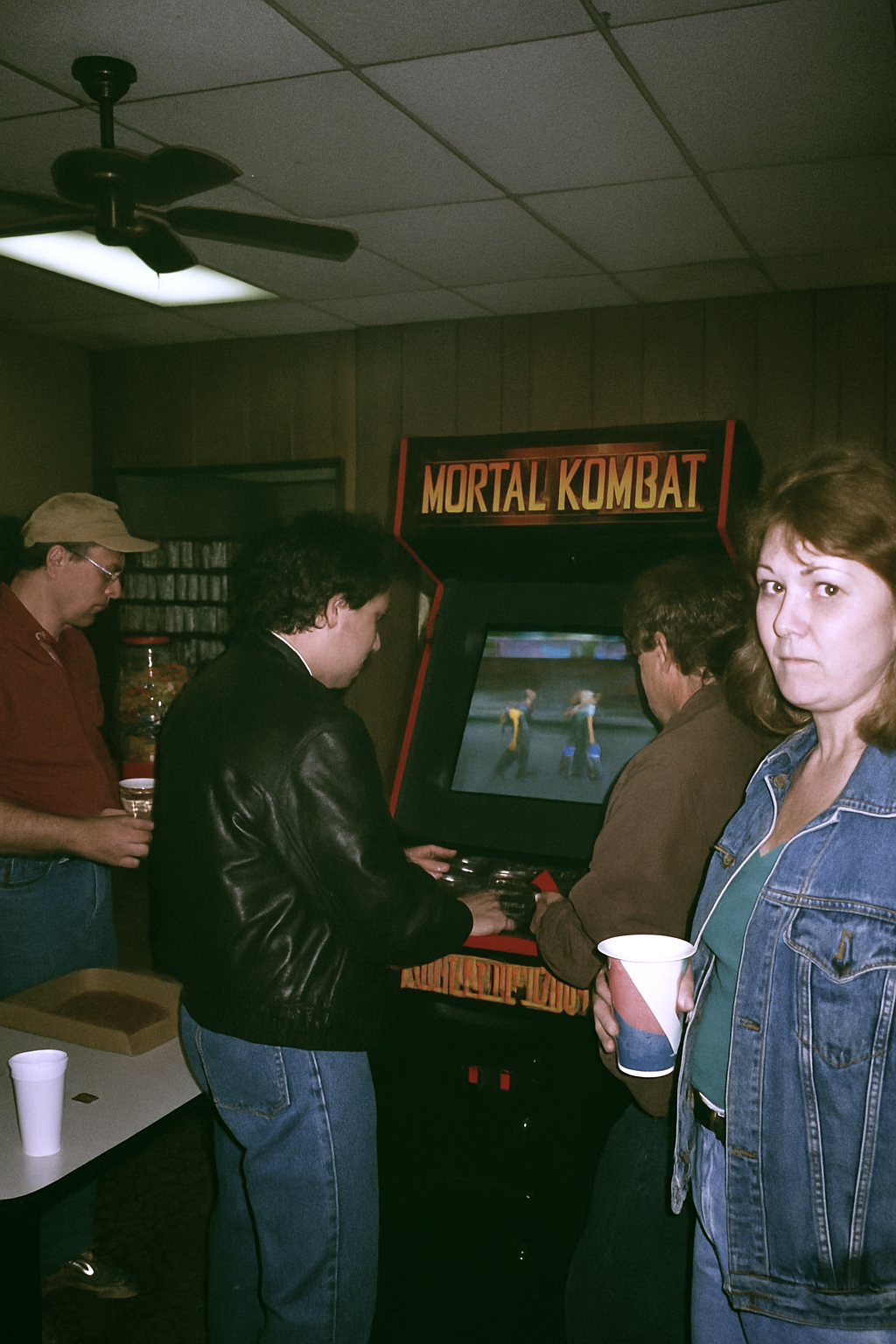
Why Did That Memory Hit So Hard?
Revisiting this era is like catching a hit of nostalgia mixed with adrenaline and a little teenage defiance. It wasn’t just about the game — it was the entire vibe: sneaking quarters, risking Saturday afternoons, the thrill of pushing limits, and the unmistakable scent of popcorn and cigarette smoke hanging thick in the air. Mortal Kombat was a digital rite of passage.
And yes, those fatalities were more than just pixels—they were acts of rebellion. Parents warned, teachers complained, and some communities banned the game outright. But that only made the adrenaline surge higher, the stakes more electric, and the stories richer.
The Sounds and Smells That Defined the Era
Arcades smelled like bubble gum mixed with stale soda and a pinch of desperation—somewhere between a candy shop and a dive bar. The constant beep-beep-beep of quarters dropping, fingers smashing buttons in rapid succession, and the distorted music looping in the background became the soundtrack to countless summers.
Hearing a death scream or the grating clang when a Fatality was executed brought a collective gasp and a rush of energy. It was sensory overload for a generation wired on caffeine, teenage rebellion, and the reckless joy of competition.
Why Did These Places Disappear?
The golden age of arcades wasn’t built to last. As home consoles evolved, with their ever-improving graphics and ability to replicate arcade experiences at home, the arcade itself started to fade from living rooms and shopping malls alike. Mortal Kombat, with all its fire and fury, was perhaps the last hurrah of that loud, neon-lit battleground.
Add in the rise of the internet, changing social habits, and the harsh glare of controversy, and those rowdy temples of teenage chaos slowly gave way to quieter days. The arcade culture that gave us Mortal Kombat’s loud, proud chaos felt less urgent, less communal, and eventually less accessible.
RETROCADE Reflection: More Than Just a Game
Mortal Kombat’s controversy was more than sensational headlines—it was a cultural seismic event. It captured the spirit of teenage angst, the thrill of forbidden violence, and the pure joy of competition all in one pixelated package. It was something you didn’t just play; you lived it.
If the image of that era could be captured, imagine the flickering CRT screen glowing against the dark walls, a chaotic cluster of friends shouting, laughing, and groaning over every brutal Fatality and every heated round. It wasn’t just a game; it was a testament to an era when kids found community in the combustive heart of the arcade.
And deep down, it’s a reminder that sometimes the memories we cling to aren’t just about the past— they’re about a feeling, a defiant moment in time when games were louder and rebellion had a soundtrack.
What’s the Place You Still Miss?
Got a flickering arcade cabinet or a hidden game room from your youth you wish still existed? Drop your memories and let’s keep the spirit of those rebellious, adrenaline-fueled days alive!
#RETROCADE #ArcadeNostalgia #RetroGaming #80sKids #90sKids #ChildhoodMemories #CoreMemory #VintageArcade #ForgottenPlaces #BeforePhones #Pinball #GamingNostalgia


Leave a Reply