


Forty years ago, Nintendo released a game that made exploration, backtracking and discovery central to action gaming. That game was Metroid, first launched for the Famicom Disk System in Japan. What began as an ambitious adventure would eventually help define the genre now known as the metroidvania.

A dangerous world with no ordinary levels
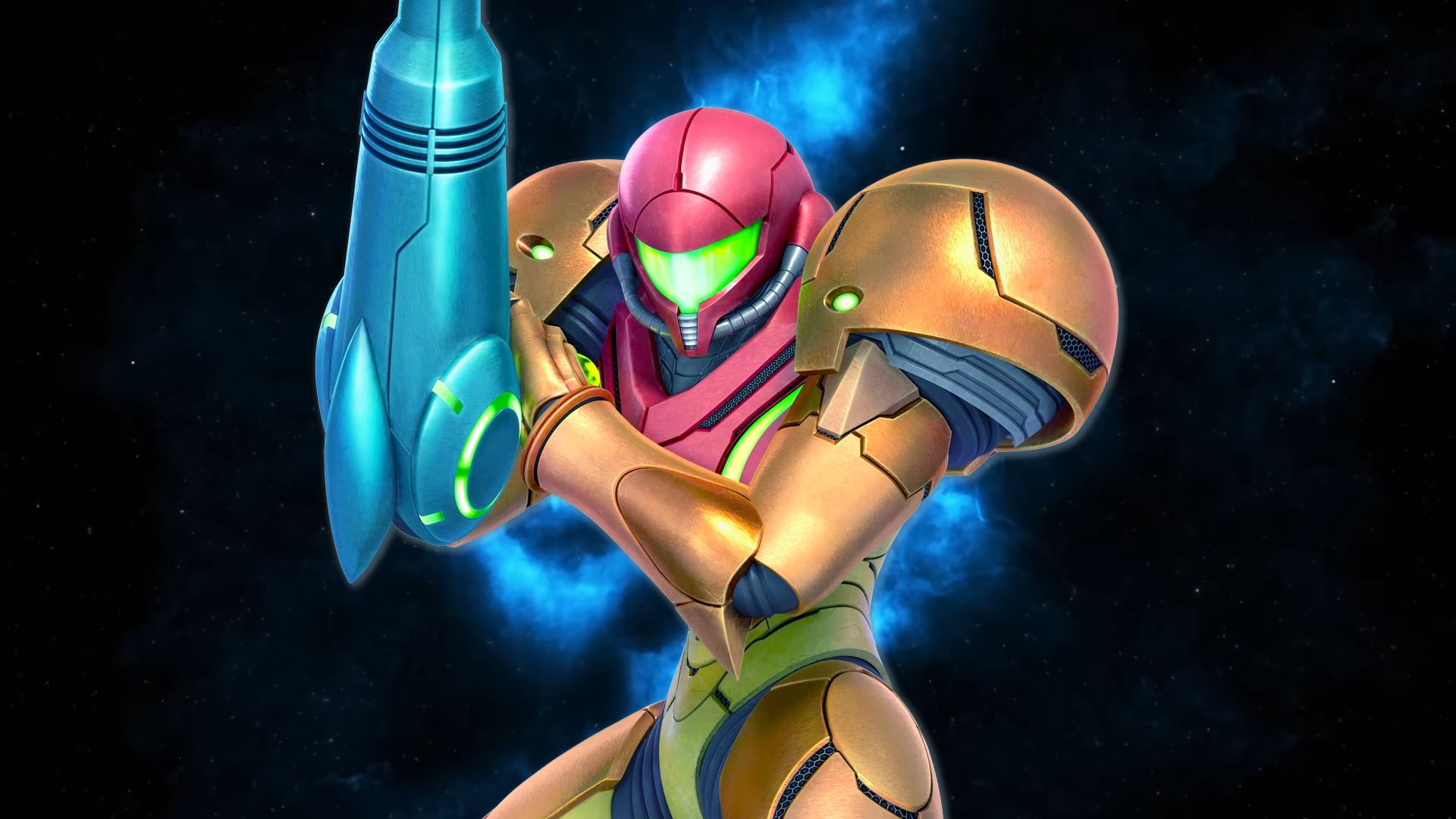
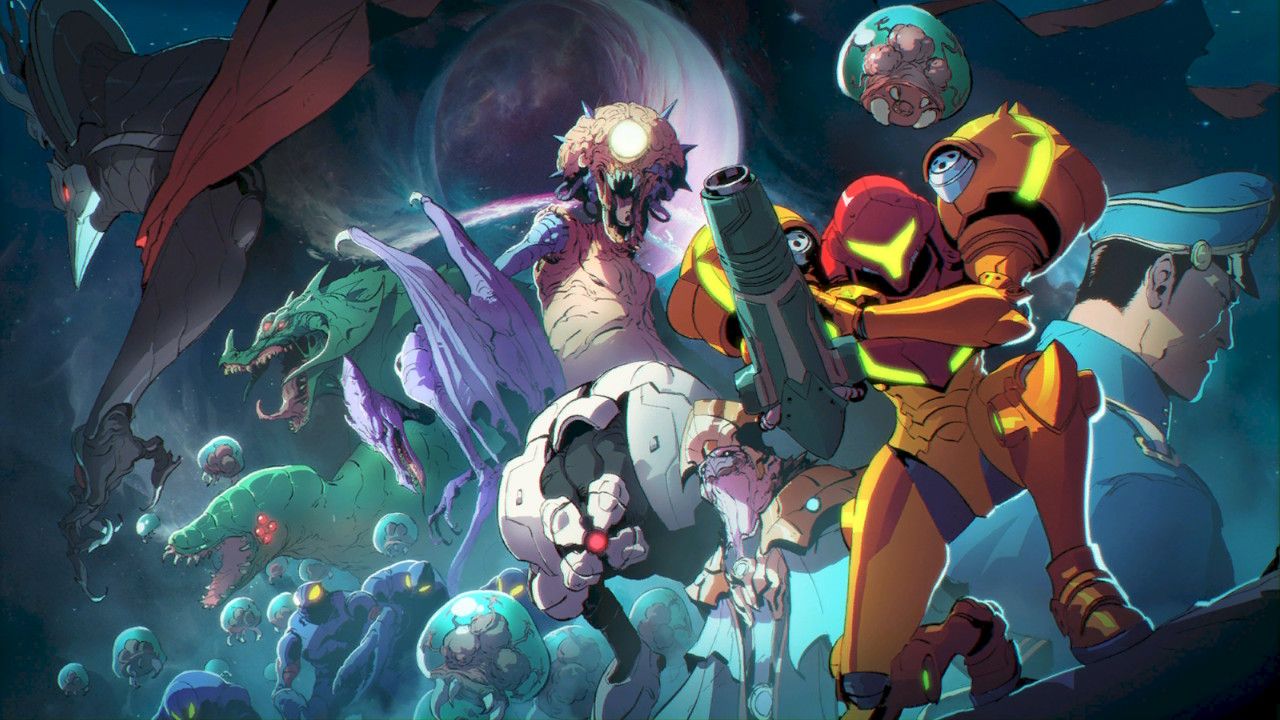
Metroid follows Samus Aran, a space bounty hunter sent to recover Metroids stolen by the Space Pirates. These life-draining organisms could become devastating biological weapons, so Samus must fight through the planet Zebes and shut down the defences controlled by the powerful intelligence known as Mother Brain.
The story established a mythology that later expanded across many games, including the four Metroid Prime titles. Yet the original game’s lasting importance comes from its structure. Rather than moving through a sequence of conventional stages, players explore a hostile, interconnected environment with several possible routes and no clearly marked path to the finale.
Its side-on action gave the open-ended freedom of The Legend of Zelda a more combat-focused form. Samus began with limited equipment, while Zebes seemed enormous by the standards of the era. At a time when many games were built around single screens or brief, separate areas, Metroid offered constant scrolling, concealed passages and locations that could be reached only later.



The upgrade-and-return formula
The defining rhythm is simple but powerful: find a new ability, then revisit places that were previously out of reach. Samus’s basic weapon is gradually supplemented by missiles and an Ice Beam capable of freezing enemies. She can also curl into a ball to pass beneath low ledges, while bombs reveal secrets, damage opponents and, with precise timing, help her climb higher than expected.
Every upgrade changes how Zebes can be understood. A blocked doorway becomes an invitation to remember its location, and a dead end may become a shortcut once Samus has the right equipment. Players are encouraged to experiment, search for alternate routes and test the limits of every new technique.
That design remains the foundation of the modern arcade and gaming conversation around exploration-focused action games. It is also why the term metroidvania continues to describe releases built around interconnected maps, ability-gated progression and rewarding backtracking.
Speed, secrets and the password system
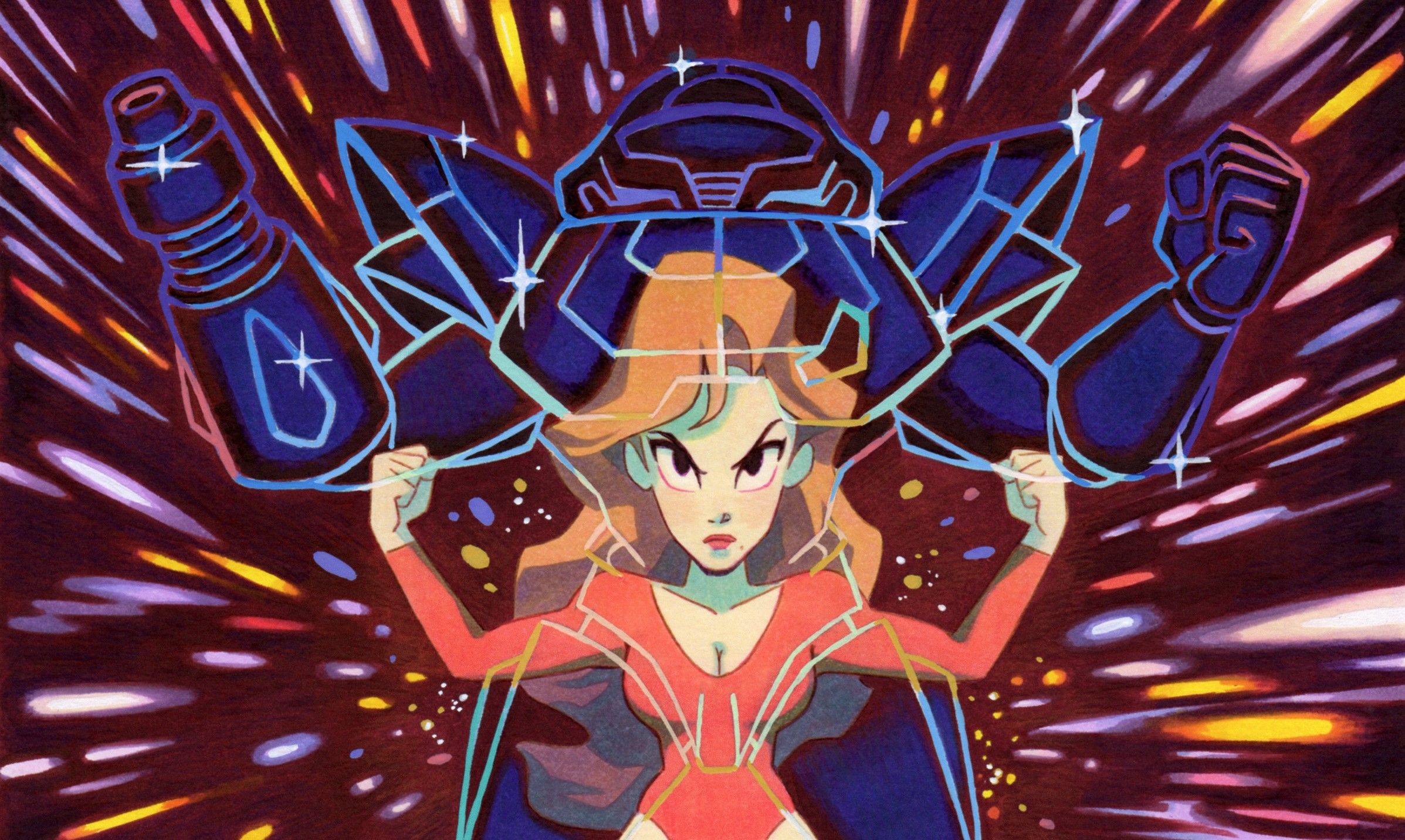
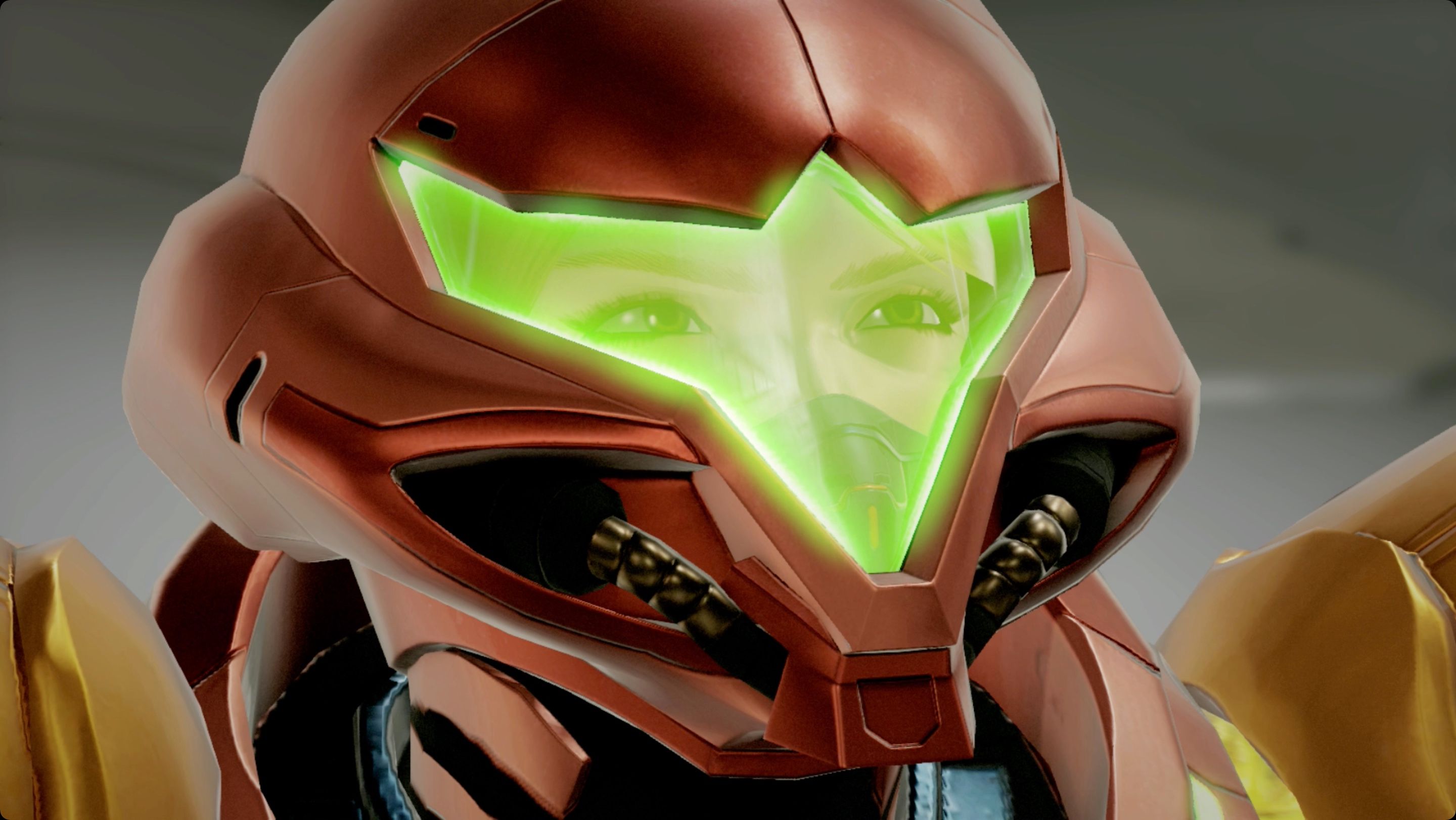
Metroid rewarded players who mastered its world. Skilled runners could finish the game in fewer than 20 minutes without glitches, although a first playthrough would normally take far longer, particularly without a walkthrough. Faster completion times also revealed more of Samus at the end of the adventure; by 1986, discovering that the armoured hero was a woman was a notable surprise. The instruction manual even used male pronouns for Samus, making the reveal more effective.
Because Zebes could occupy players for many hours, Nintendo included a password system so an adventure could be resumed later. Passwords could also be shared between friends, adding a small collaborative element to the experience. One famous password began with “Justin Bailey” on the top row followed by a line of dashes, and remains part of the game’s enduring folklore.

From Nintendo experiment to genre blueprint
Metroid became an important release during the early period following the NES launch in North America. Players mapped its corridors, searched for hidden rooms and discussed its secrets. Fans even wrote to Nintendo Fun Club News to share their enthusiasm. It was a major success in an era when a few hundred thousand sales represented a strong result, rather than the tens of millions expected from the industry’s biggest modern releases.
The formula matured through later games such as Super Metroid and Castlevania: Symphony of the Night. Decades later, acclaimed titles including Hollow Knight and Blasphemous continued to build on the same combination of exploration, combat, upgrades and interconnected spaces.
The original Metroid is not flawless, but its ideas remain remarkably clear. For Australian players exploring the possibilities of a dedicated arcade machine, its influence is a reminder that great game design does not require a linear sequence of levels. A hostile map, a few well-placed secrets and the right upgrade can still turn exploration into its own reward.
Players with a Switch Online subscription can access the game through the NES library app. Those planning a home arcade setup can also compare options in RETROCADE’s arcade machine buying guide or consider a compact bartop arcade for smaller spaces.


Leave a Reply