


Marvel Tokon: Fighting Souls needs a better way to teach its systems
Marvel Tokon: Fighting Souls has plenty going for it, especially now that its PC performance problems have been resolved. Its roster gives characters such as Spider-Man and Blade distinct movesets, while the striking visual style blends comic-book energy with anime-inspired presentation. Matches can also swing dramatically, making the game entertaining to watch as well as play.

Its major weakness is the tutorial. The game is inviting enough for players who do not usually spend much time with fighting games, but the opening lessons make it difficult to remember how all of its systems fit together.
A lot of information, very little retention
Marvel Tokon uses an extended tutorial to introduce almost everything at once. Players practise blocking, Link Attacks and Assemble Assists, with each technique demonstrated during the first half-hour. The problem is that performing a move once does not necessarily explain when it matters in a real match.
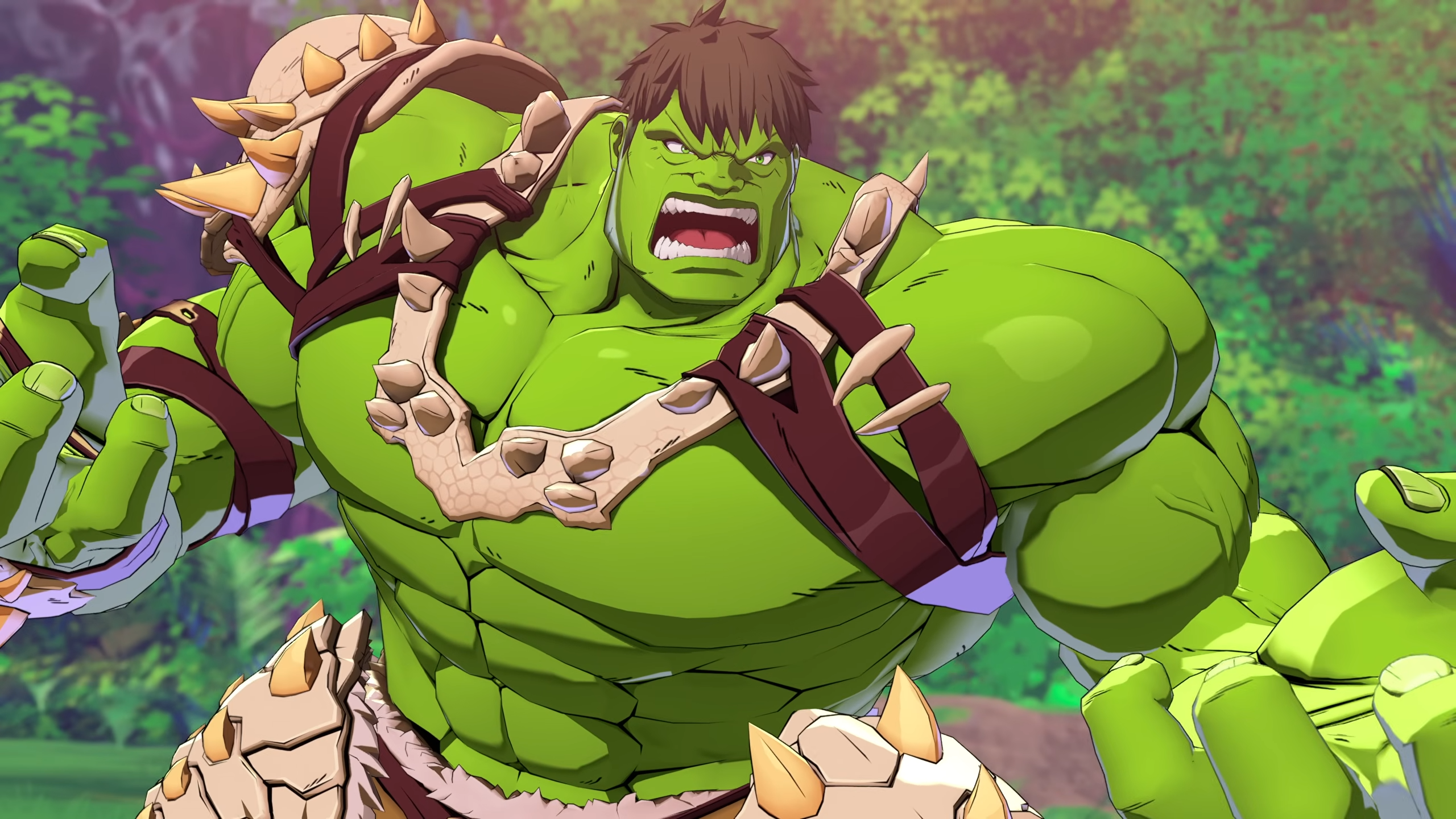
By the time I reached the single-player story, I could recall basic combos and understood how to attack with heroes waiting in reserve. The finer details were much harder to retrieve. Which two-button input triggered a particular action? How was an attack countered? Was there another counter option as well? The information blurred together before it became useful.
This is a familiar problem for anyone who enjoys fighting games casually. Invincible Vs presents a similar obstacle with a minimal tutorial that explains an attack, asks the player to repeat it against a motionless opponent, and then moves on. That method confirms the input, but not the situation in which the move should be used. In a fighting game, that context is crucial.

The result is a choice between repeatedly returning to a tutorial or menu, and simply relying on the moves that remain memorable. The latter approach can work, but it means important tools are only rediscovered naturally through play.
Teaching a complex fighter is a difficult design problem
There is no easy answer for developers. Fighting games often contain dozens of systems, and tutorials need to explain them without keeping players away from the fun for too long. A long classroom-style introduction can be overwhelming, but a short list of commands leaves newcomers without enough practical guidance.

For players setting up a local fighting-game station, the same principle applies: accessible controls and a clear learning path matter as much as flashy presentation. Our arcade machine buying guide is a useful starting point when comparing layouts, while arcade parts can help with future joystick or button changes.

Street Fighter 6 remains the tutorial benchmark
Street Fighter 6 offers a more effective model through its World Tour mode. Although its single-player structure has a Yakuza-like design, it introduces techniques gradually through side missions as the story advances. Players have time to learn one skill, use it in practice and build it into their memory before the next lesson arrives.

That gradual approach made it easier to carry new knowledge into online matches. It did not guarantee victory, but it provided enough understanding to contribute before being launched into an air combo.
Why I am sticking with Marvel Tokon
Despite the tutorial, Marvel Tokon: Fighting Souls is worth continuing with. It is unusual for a competitive fighter to make accidental button presses look this stylish, and the appeal of discovering deliberate combos is strong. The game’s dramatic presentation and accessible moments provide a reason to keep learning rather than walk away.
The immediate goal is mastering an Assemble Counter on purpose. Until then, players may need to revisit the menus, experiment in matches and gradually build their own understanding of the mechanics.
For a more compact gaming setup, bartop arcades can suit smaller rooms, while the wider arcade machines collection offers larger cabinet options. RETROCADE’s arcade blog also covers news and developments across the arcade world.


Leave a Reply