


Lanterns turns Green Lantern into a gripping rural mystery
HBO’s Lanterns is an eight-episode superhero detective drama about courage, inherited trauma and the cost of becoming fearless. It follows Hal Jordan and John Stewart as their investigation in rural Nebraska exposes a threat with possible extraterrestrial connections.


Two very different ideas of fearlessness
The series opens with a disturbing childhood ritual. John Stewart’s father places an apple on his son’s head and shoots it, invoking the legend of William Tell while using the act to condition John not to fear danger. It is a brutal contrast to Hal Jordan’s own explanation of courage.
In a 1996 television interview, Hal recalls that his test-pilot father died when he was eight. Losing the person he feared losing most left him believing that nothing worse could happen. When a Green Lantern ring later asked whether he was afraid, Hal could honestly answer no.
Those opposing experiences define the partnership. Hal’s fearlessness grew from catastrophic loss, while John’s family deliberately manufactured his. Chris Mundy, Damon Lindelof and comics writer Tom King build the drama around how these two forms of trauma shape radically different men.
A rural investigation with cosmic consequences
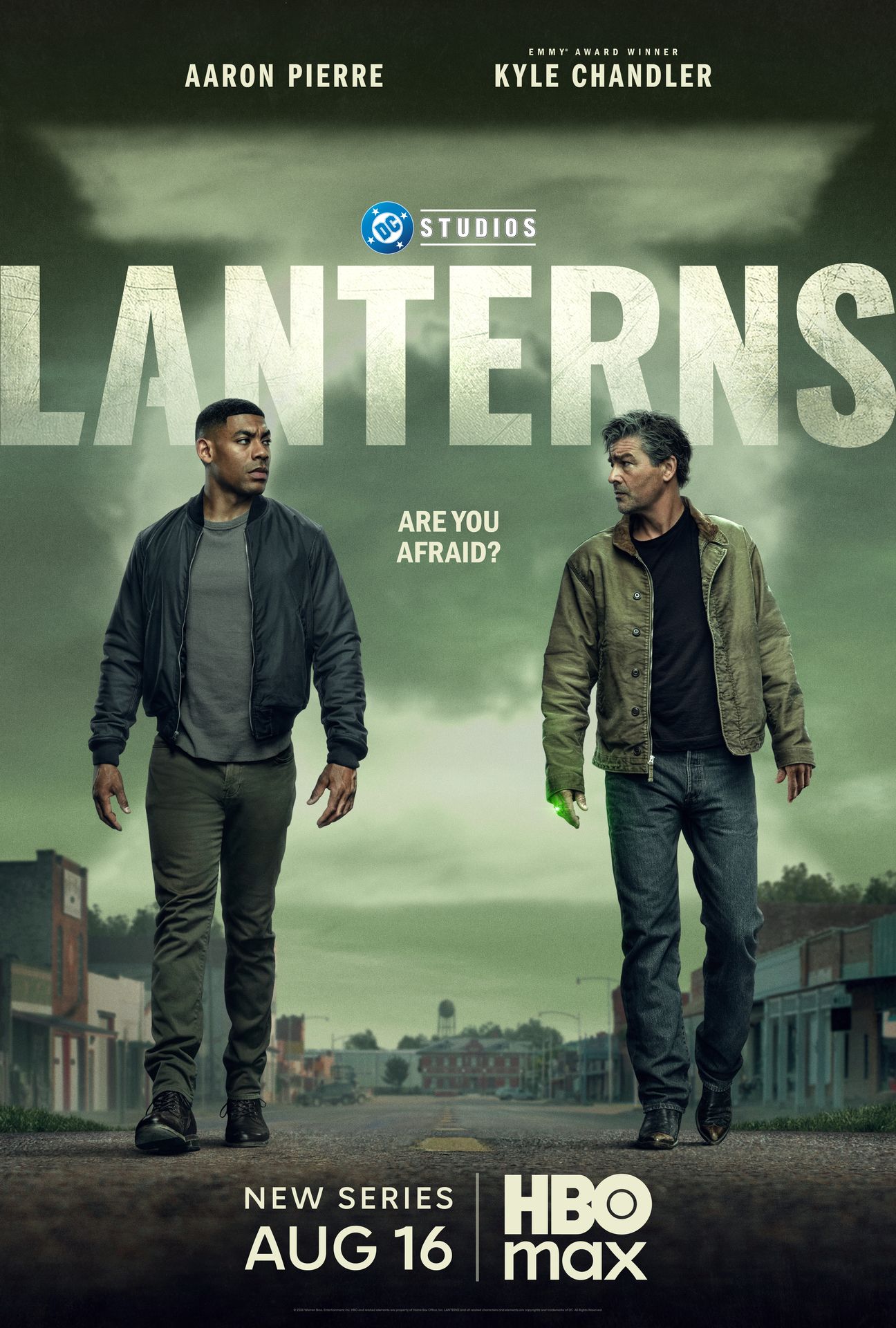
As an adult, John Stewart is played by Aaron Pierre, with Kyle Chandler portraying Hal Jordan. The pair investigate a mass shooting in the small town of Rushville, Nebraska. Evidence points towards something beyond an ordinary crime, and the case gradually draws them into a conspiracy with consequences far beyond the local community.

The familiar comparison is a detective thriller with superheroes, and it works because the mystery remains central. Hal arrives as a dishevelled, often hungover wisecracker who trusts instinct more than authority. John is a disciplined soldier who follows orders, but he is also observant, imaginative and considerably more controlled than his mentor.
John has already trained with Hal for two months when the story begins, yet Hal still resists accepting that he may need a partner. Their friction feels natural rather than engineered, with each man gradually recognising that the other is the person he wants beside him when events turn dangerous.
A neo-Western setting
Rushville gives the series a strong neo-Western identity. Pickup trucks, horses, firearms, large hats and powerful local families make the town feel closer to a contemporary ranch drama than a conventional superhero show. That grounded atmosphere gives the cosmic mythology room to breathe without overwhelming the investigation.
The show does not lean heavily into the strangest corners of Green Lantern lore. Viewers hoping for Mogo, the enormous living planet who is also a member of the Green Lantern Corps, may find the approach restrained. Instead, the series brings alien technology and questions about willpower down to a human scale.
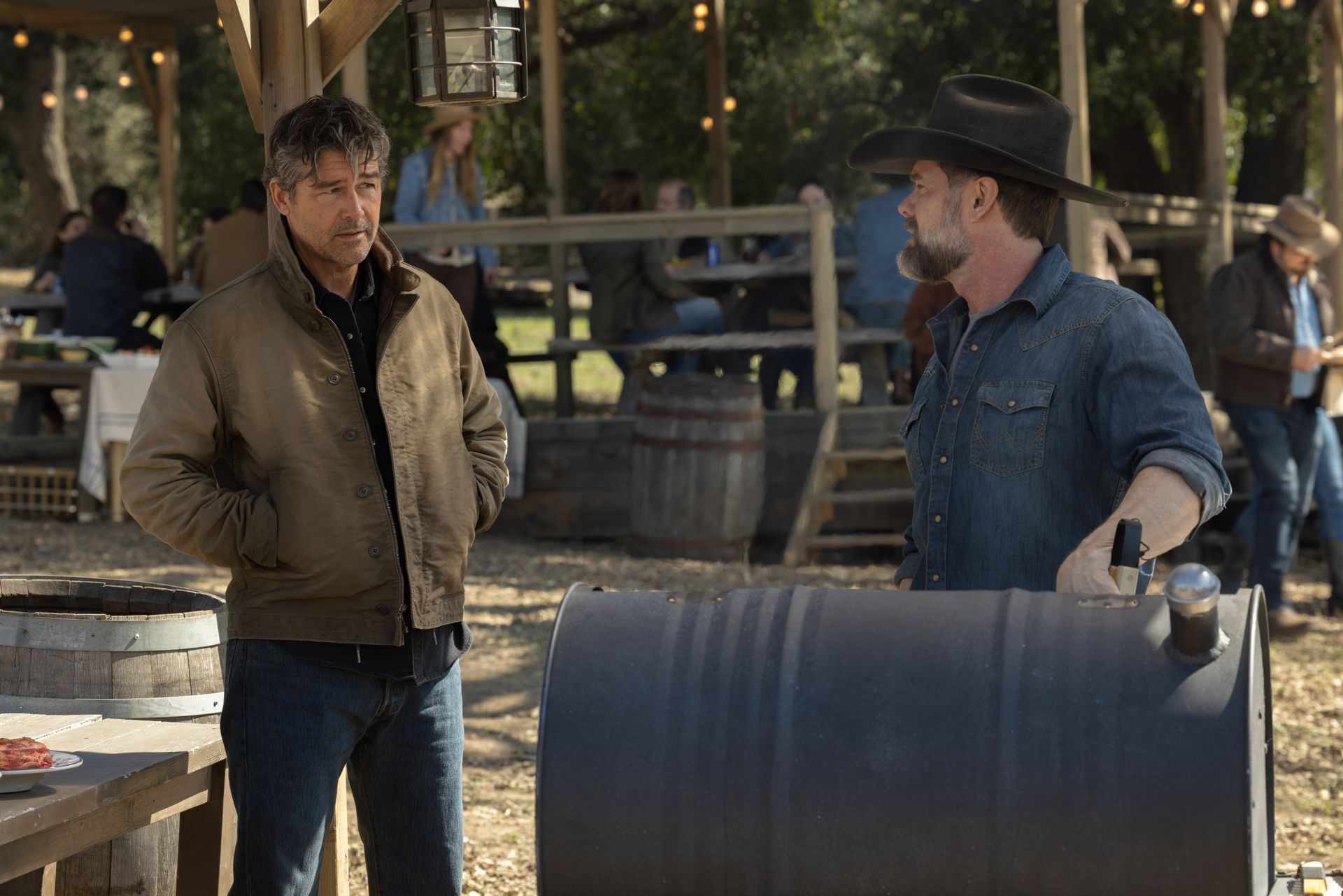
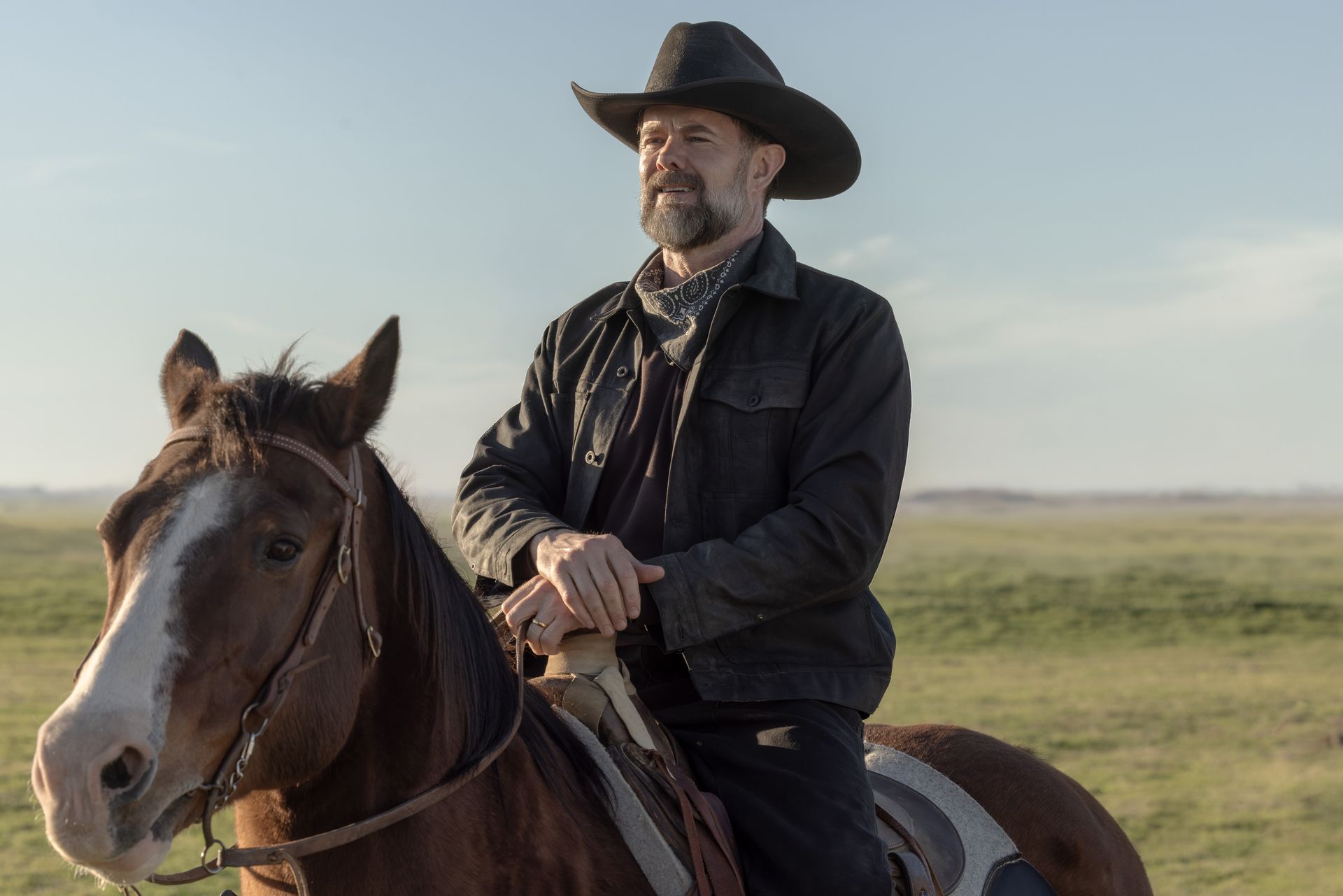
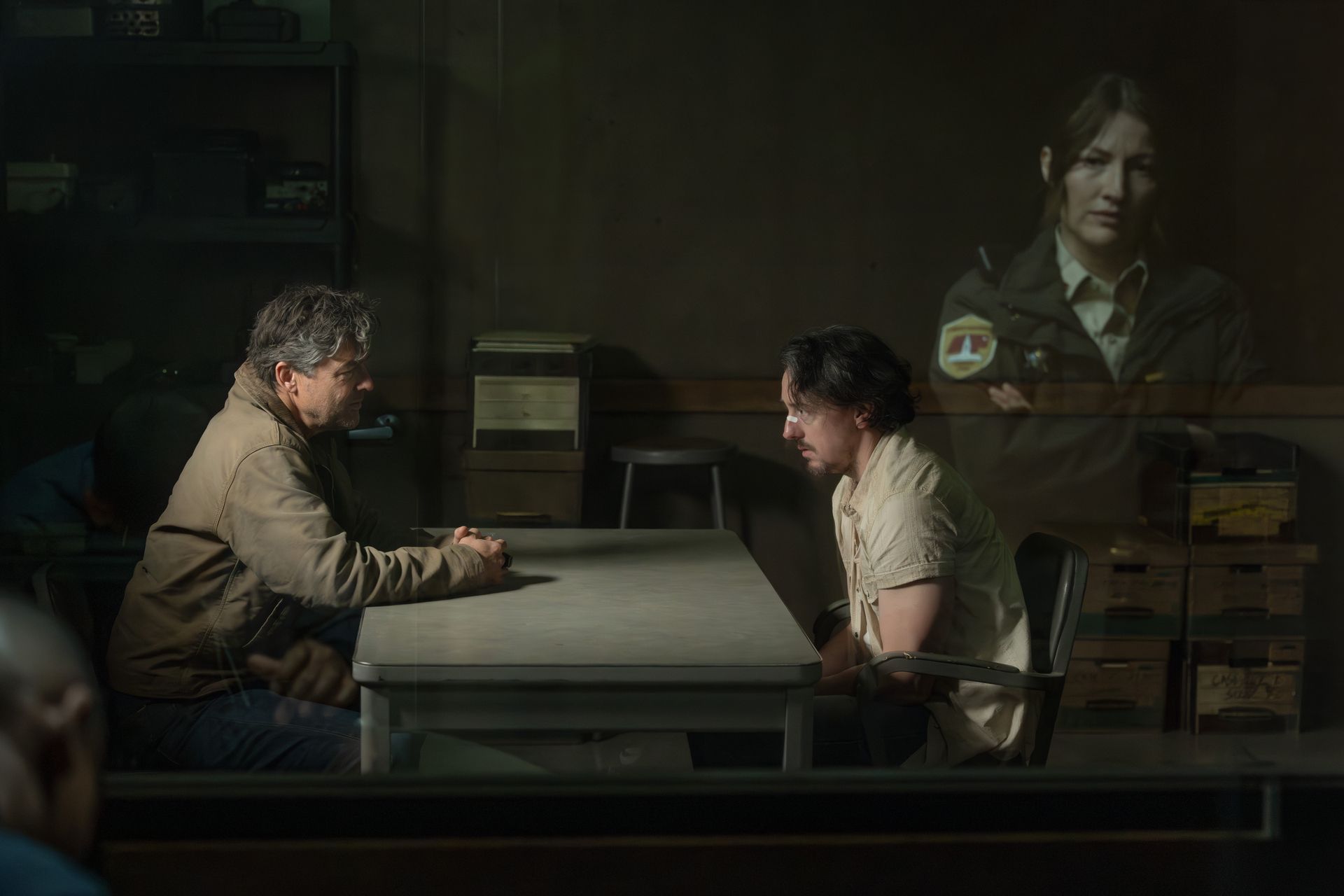


The central mystery becomes increasingly unsettling as the town’s polite surface begins to crack. Previous trailers have identified a possible alien threat known as the Manhunters, but the series holds back its largest answers carefully. Revelations add depth to the characters and their partnership instead of functioning only as surprise twists.
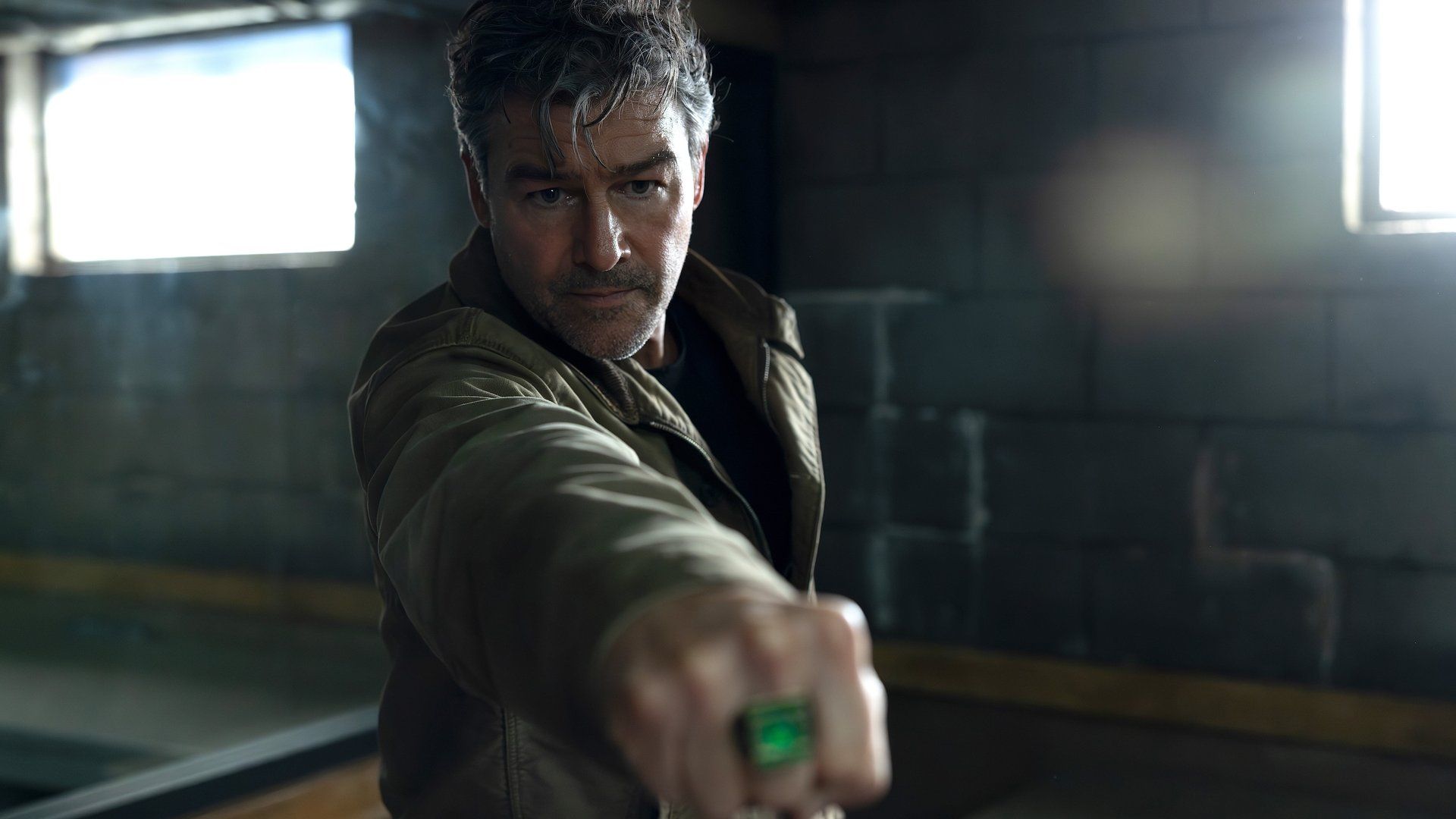
The restrained visual style also makes the Green Lantern ring feel unusual. Against a muted palette, its emerald glow appears almost alien, accompanied by an uncanny warbling sound. The limited use of spectacle makes each appearance more meaningful while preserving the ideas of courage, willpower and otherworldly technology at the heart of the character.

Aaron Pierre and Kyle Chandler reshape the characters
Kyle Chandler’s version of Hal differs sharply from the clean-cut test pilot often associated with the character. He moves with a slight hunch and carries the exhaustion of someone who has spent decades confronting the universe’s worst threats. His Hal is charming, arrogant and visibly worn down.
Chandler balances the character’s swagger with genuine intelligence. Hal’s untidy appearance and irritating confidence conceal a hero who uses other people’s low expectations to his advantage. His instincts are frequently correct, and whenever somebody is in danger, the careless facade disappears.

John Stewart provides the show’s deeper emotional centre. Pierre plays him as a physically imposing but tightly controlled man whose whole life has been shaped by other people’s expectations. His posture and precision suggest someone taught from childhood that every action must carry weight.
The series also examines John’s identity as a Black man in America. Like other ambitious superhero dramas, it uses genre mythology to explore inherited trauma and the institutions that decide who is trusted with power. The treatment is not as expansive as HBO’s Watchmen, but fear, heroism and race remain inseparable from John’s story.
John’s family prepares him for a world that can overlook Black people, determined that he will never be overlooked. That preparation contains both love and cruelty. Pierre finds the thoughtful, guarded person underneath it: a man trying to decide which parts of his identity are genuinely his.
For both leads, fearlessness is less a simple qualification for joining the Corps than a psychological wound. Hal believes the worst has already happened. John has been trained to survive a frightening world. They are both courageous, but the series continually asks what they had to lose to become that way.
Why Lanterns works
Lanterns succeeds because its human conflict matters as much as its science-fiction mythology. Hal and John do not need to like each other before they can respect one another. Their arguments, mistrust and eventual connection grow from character rather than formula.
Fans of rural crime dramas, superhero stories and character-driven science fiction will find a thoughtful combination here. The show’s appeal should also extend to anyone interested in how a strong visual world can support a story; the same principle matters when comparing screen-based entertainment with an arcade machine buying guide or choosing an arcade cabinet for a games room.
For a more compact setup inspired by striking game-room displays, RETROCADE’s bartop arcades offer another way to bring focused entertainment into an Australian home.
At its core, Lanterns asks whether becoming a superhero is worth the personal cost. Hal and John can both say they are not afraid, but the series is more interested in the losses behind that answer than in questioning it.
Lanterns premieres on Aug. 16 on HBO and HBO Max.




Leave a Reply