



Kohei Horikoshi returns with a supernatural one-shot
Two years after My Hero Academia concluded, creator Kohei Horikoshi has published a new story. Quit Laughing, Shijima appears as a one-shot in Weekly Shonen Jump, presenting itself as horror but landing more comfortably as energetic supernatural action.
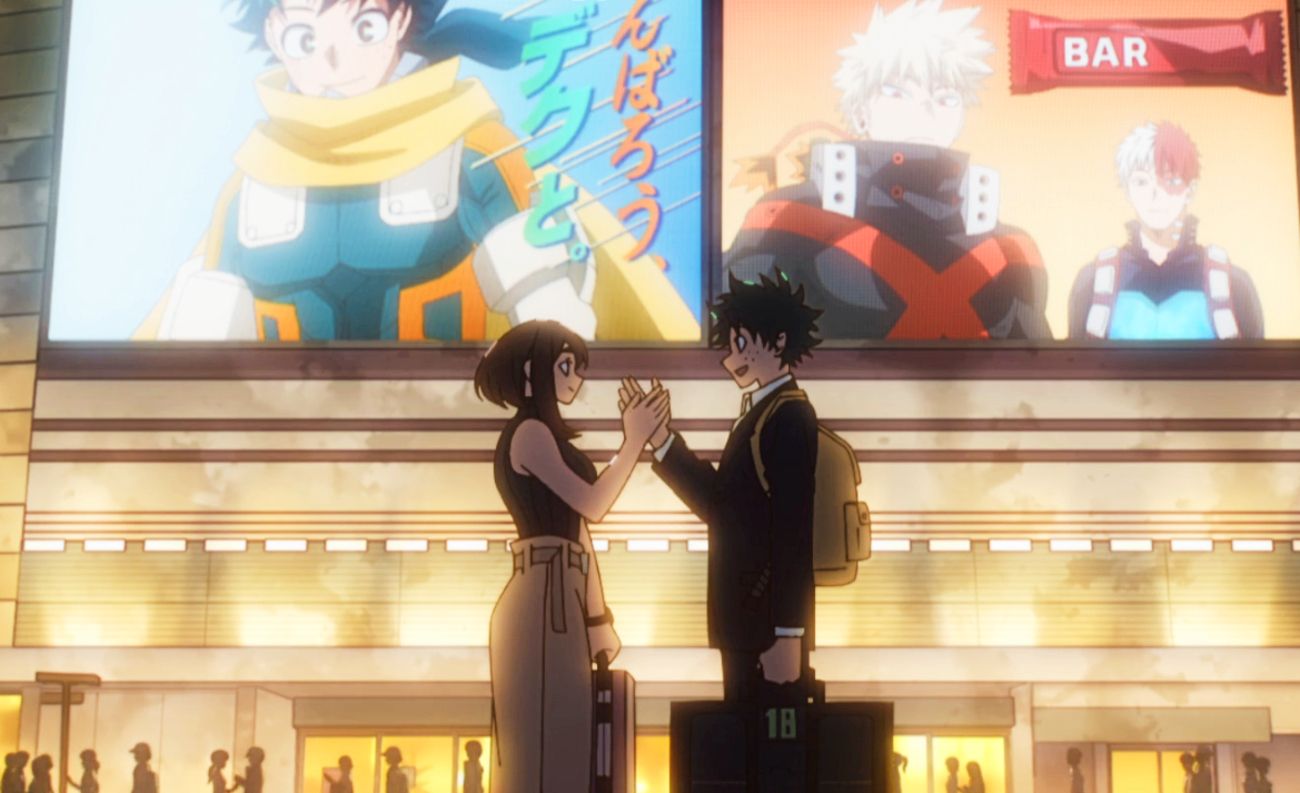
Horikoshi’s time away from a demanding weekly schedule became a running joke among fans, although he continued producing impressive illustrations. He first mentioned wanting to create a horror manga in 2022, making this short story a long-awaited look at that ambition.
For readers who follow Japanese pop culture alongside arcade and gaming news, the one-shot is an interesting change of direction from a superhero epic.
A seaside town with a disturbing secret
The story takes place in Konoshiro City, a large Japanese coastal town with a stated population of three million. Azumi, a high-school student approaching the end of his second year, tries to avoid worrying about the future. He is also quietly in love with Shijima, an outgoing girl whose distinctive laugh has made her popular throughout the town.

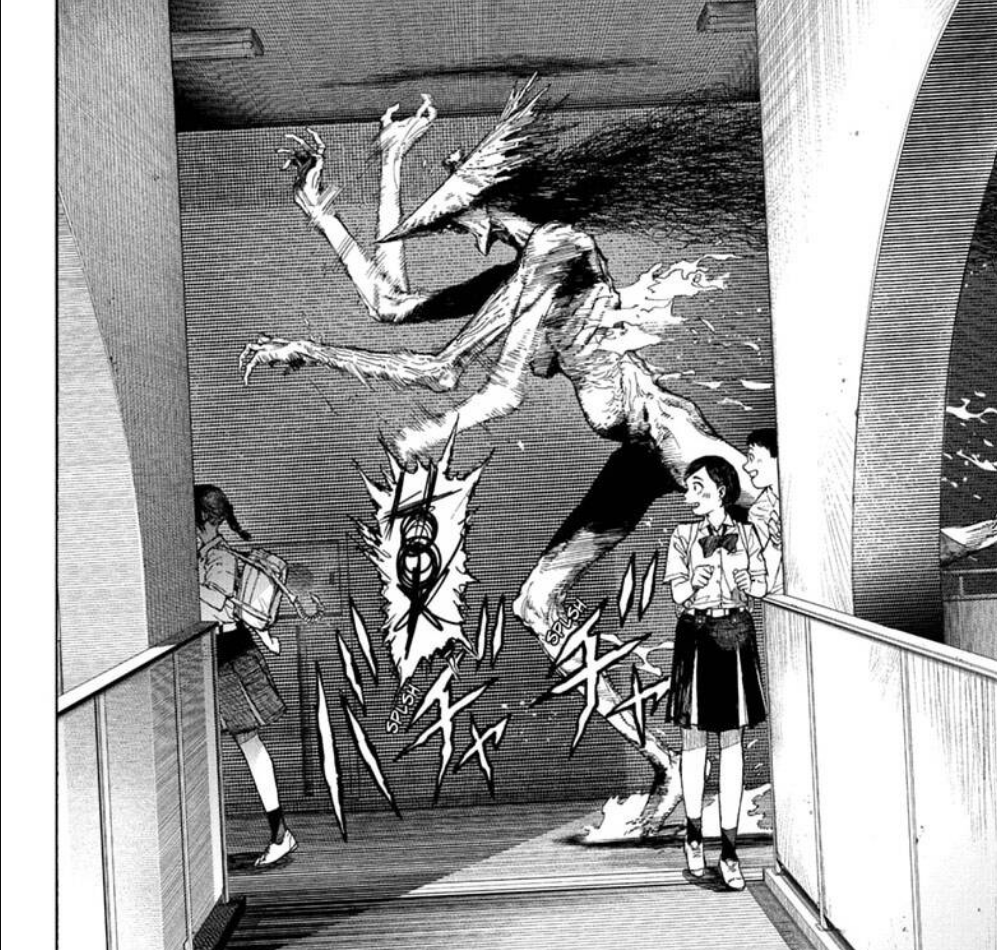
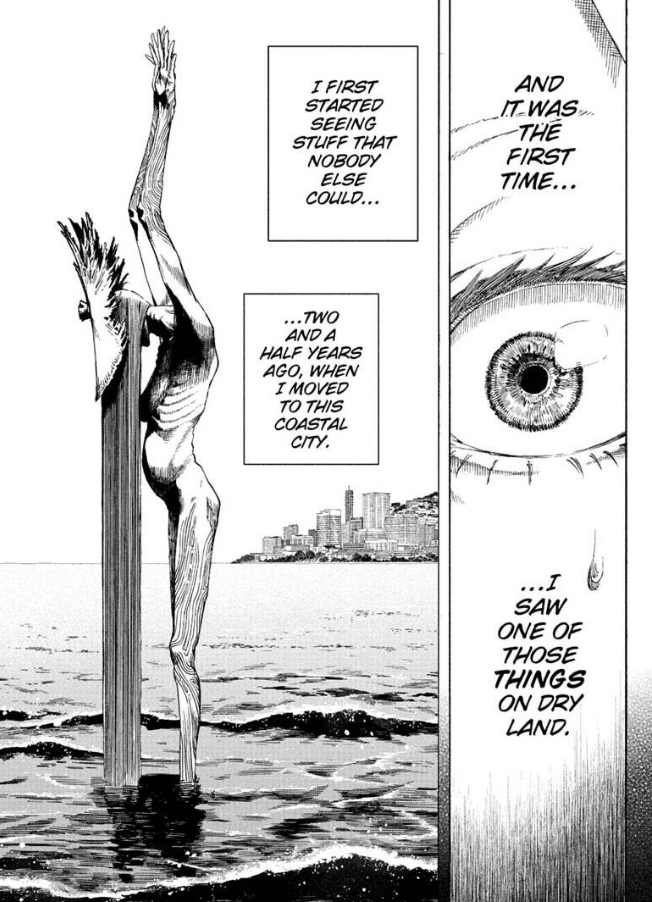
Azumi has an unusual ability: he can see grotesque humanoid creatures living in the bay. When one of them reaches dry land and appears to be tracking Shijima, the situation changes quickly. The next day, Shijima is absent from school.



A familiar sacrifice plot
The setup is immediately appealing, helped by Horikoshi’s expressive character work and memorable monster designs. The creatures are both imaginative and unsettling. However, the plot soon follows a well-established path familiar from stories such as The Wicker Man, Midsommar and Higurashi: When They Cry.
Shijima has been selected as a sacrifice for a godlike entity beneath the bay. The being supposedly protects the town and brings prosperity, while a small group of families preserves the violent tradition. Shijima has been conditioned to regard the role as an honour, explaining why the townspeople and even her family treat her as special.
Azumi discovers what is happening and hurries to save her. He kills the creature and confesses his feelings in the same dramatic sequence, creating a romantic action climax rather than a sustained horror payoff.
Why the horror does not quite land
Using familiar tropes is not a problem by itself; every genre builds on established ideas. The difficulty is that Quit Laughing, Shijima does little with its horror framework beyond the sacrifice mythology and the appearance of its monsters.
Japanese horror often transforms ordinary, reassuring places into psychologically threatening ones. Works including Uzumaki, Silent Hill f and The Summer Hikaru Died find terror in the corruption of familiar environments, allowing unease to grow gradually beneath everyday life.
A useful contrast is A Questionnaire on the Mouth, a short manga by Sesuji and Suzo Oshimi. It begins with friends answering questions before unfolding into a story of hidden secrets, psychological abuse and body horror. Its tension develops carefully, while Horikoshi’s one-shot moves rapidly towards action.
It may be unreasonable to expect Horikoshi to match specialists such as Junji Ito or Shuzo Oshimi after he spent a decade creating a superhero action series. Changing tone, pacing and storytelling methods is a substantial challenge, even for an accomplished artist.
The strongest idea is Shijima’s forced popularity
The story’s most effective material concerns Shijima’s place in the community. She is introduced as the school’s adored girl, but a flashback reveals that Azumi first met her when she was being bullied over her unusual teeth.
Her popularity is gradually exposed as part of the sacrifice process. The town has turned her into a celebrated figure so that she will accept being offered to the entity. Her family and neighbours are not simply supporting her; they are participating in a prolonged campaign of psychological coercion.
That revelation comes closest to the unsettling combination of ordinary cruelty and supernatural terror found in stronger Japanese horror. The supernatural elements give shape to the town’s everyday abuse, making the community itself more disturbing than the creature in the bay.
A promising supernatural action pilot
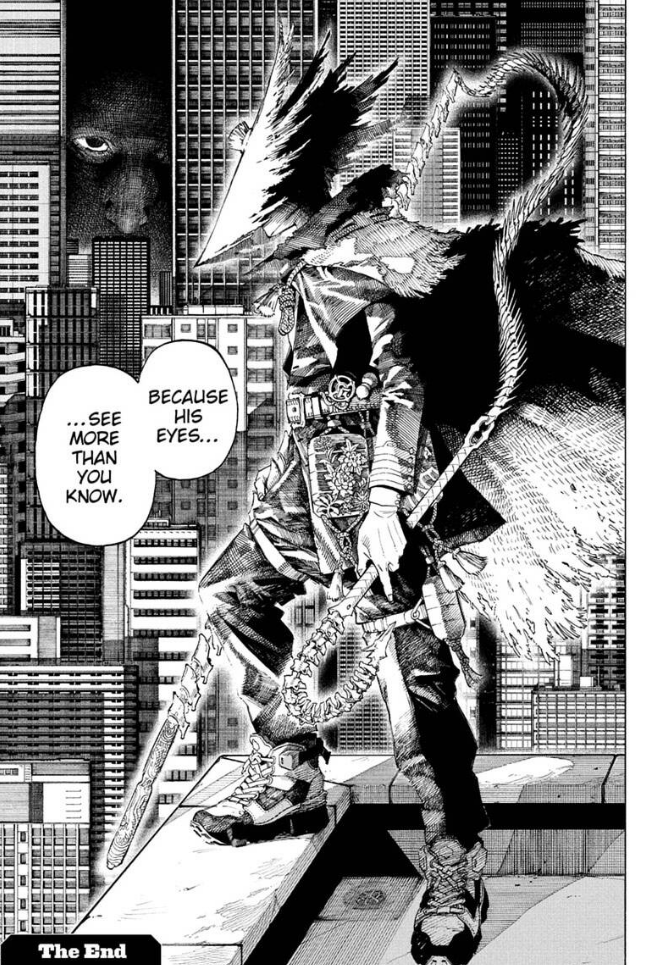
The final pages clarify where the concept works best. Azumi appears on a rooftop in a pose reminiscent of Deku, now positioned as a supernatural vigilante determined to stop cruel traditions like the one imposed on Shijima.
That ending makes Quit Laughing, Shijima feel less like a completed horror story and more like a pilot for a possible supernatural action series. The characters are appealing, the emotional beats are effective, and the shared battle against the monster carries the kind of heartfelt momentum Horikoshi handles particularly well.


The one-shot does not deliver a horror masterpiece, but it does reveal a promising direction for Horikoshi beyond his best-known work. Its central idea deserves more room, and the closing image makes a future continuation an appealing possibility.
For a different kind of screen-based gaming atmosphere, readers can browse RETROCADE’s arcade videos or explore the arcade machine buying guide.


Leave a Reply