


J.J. Abrams returns to cinemas with a very different kind of sci-fi
J.J. Abrams is often associated with major space franchises, but his career has covered a much wider range of stories. Before becoming a familiar name in science fiction, he worked across romantic drama, action blockbusters, spy television, mysteries and horror.
This week brings the Australian theatrical debut of The End of Oak Street, a new film directed by David Robert Mitchell and produced in part by Abrams. It provides a useful moment to revisit some of Abrams’ less obvious credits, from a cryogenic romance to parallel universes and cosmic horror.

Early screenwriting: Forever Young (1992)

One of Abrams’ earliest film credits came under his first name, Jeffrey Abrams. He wrote the screenplay for Forever Young, a 1992 drama starring Mel Gibson as Daniel McCormick, a test pilot in 1939 who loses his fiancée in a car accident.
Overwhelmed by grief, McCormick volunteers for a friend’s cryogenic-suspension experiment. The plan goes wrong, and he awakens 53 years later, with police pursuing him and his body showing the effects of the unusually long sleep. He must discover what happened and why he was preserved.
Abrams originally developed the screenplay as The Rest of Daniel. Warner Bros. bought it for $2 million, then a record price that attracted mockery from reporters. The finished film eventually earned $128 million at the box office.
Big-screen spectacle: Armageddon (1998)

Michael Bay’s Armageddon remains a spectacular example of late-1990s disaster cinema. Its central idea is deliberately extravagant: oil drillers receive hurried astronaut training so they can land on an asteroid and destroy it before it hits Earth.
The premise invites practical questions, including whether teaching astronauts to drill would have been more sensible. Yet the film’s scale and momentum helped it sweep audiences along, even if its logic became harder to defend afterwards. That combination of bombast and emotion reflects the film’s sturm und drang approach.
Abrams was one of several writers brought in to polish the screenplay. The project was reportedly developed as a direct response to the approaching release of the competing asteroid film Deep Impact.
Spy drama becomes a calling card: Alias (2001)

Abrams created and initially ran ABC’s Alias, which follows Sydney Bristow, played by Jennifer Garner. Sydney begins as a young CIA operative, only to learn that the secret organisation employing her is actually criminal. After her fiancé is murdered, she joins the real CIA and works as a double agent.
The series established Garner as a major actor and became one of the strongest shows to emerge from the early-2000s wave of action television that followed Buffy the Vampire Slayer. Its leather-clad spy missions, elaborate disguises and physical set pieces made it a defining genre series of its era.
Its later seasons also show how television could anticipate ideas that became familiar in games and film. The show’s globe-trotting espionage and hidden histories have a flavour that will feel recognisable to fans of the latest arcade and gaming news, even though Abrams had no direct role in creating Assassin’s Creed.
The mystery-box era begins with Lost (2004)

Lost changed the scale of appointment television. Millions of viewers tuned in each week to follow the survivors of a plane crash and ask what was really happening on the island.
Abrams was involved in running the first season, but left after it to direct Mission: Impossible 3 in 2006. Damon Lindelof subsequently took over much of the series’ day-to-day creative leadership, while Abrams’ influence remained important to the show’s identity and his growing public profile.
The series later became known for its improvisational-feeling plotting and unanswered questions. Its mysteries were compelling partly because viewers could not be sure whether the writers had already mapped out the answers.
Fringe and the rise of parallel worlds (2008)

It is difficult to imagine a major American network commissioning a show like Fringe for five seasons today. The series combined investigative science fiction with an increasingly ambitious mythology, a format more commonly associated with streaming-era dramas.
The story centres on an underfunded FBI division staffed by unconventional scientific experts. Over time, it develops into a conflict involving a parallel universe attempting to cross into our own.
That premise arrived before the current pop-culture boom in multiverse stories. The series can therefore be viewed as either an early trendsetter or a show that was operating well ahead of its time, years before major superhero and science-fiction projects made alternate realities commonplace.
Cosmic horror meets American history in Lovecraft Country (2020)

During a period when Abrams was heavily involved with Star Wars, he also received an executive-producer credit on HBO’s adaptation and continuation of Matt Ruff’s 2016 horror novel Lovecraft Country.
The series blends cosmic horror with Southern Gothic storytelling. Atticus Freeman, played by Jonathan Majors, is a Korean War veteran living in 1950s Chicago. He travels to Georgia with his uncle, portrayed by Courtney B. Vance, and his former partner, played by Jurnee Smollett, while searching for his missing father.
The journey places the group against white vigilantes, powerful old families and ancient magic. Its mixture of social history and supernatural danger makes it one of Abrams’ more distinctive recent television associations.
The End of Oak Street (2026)

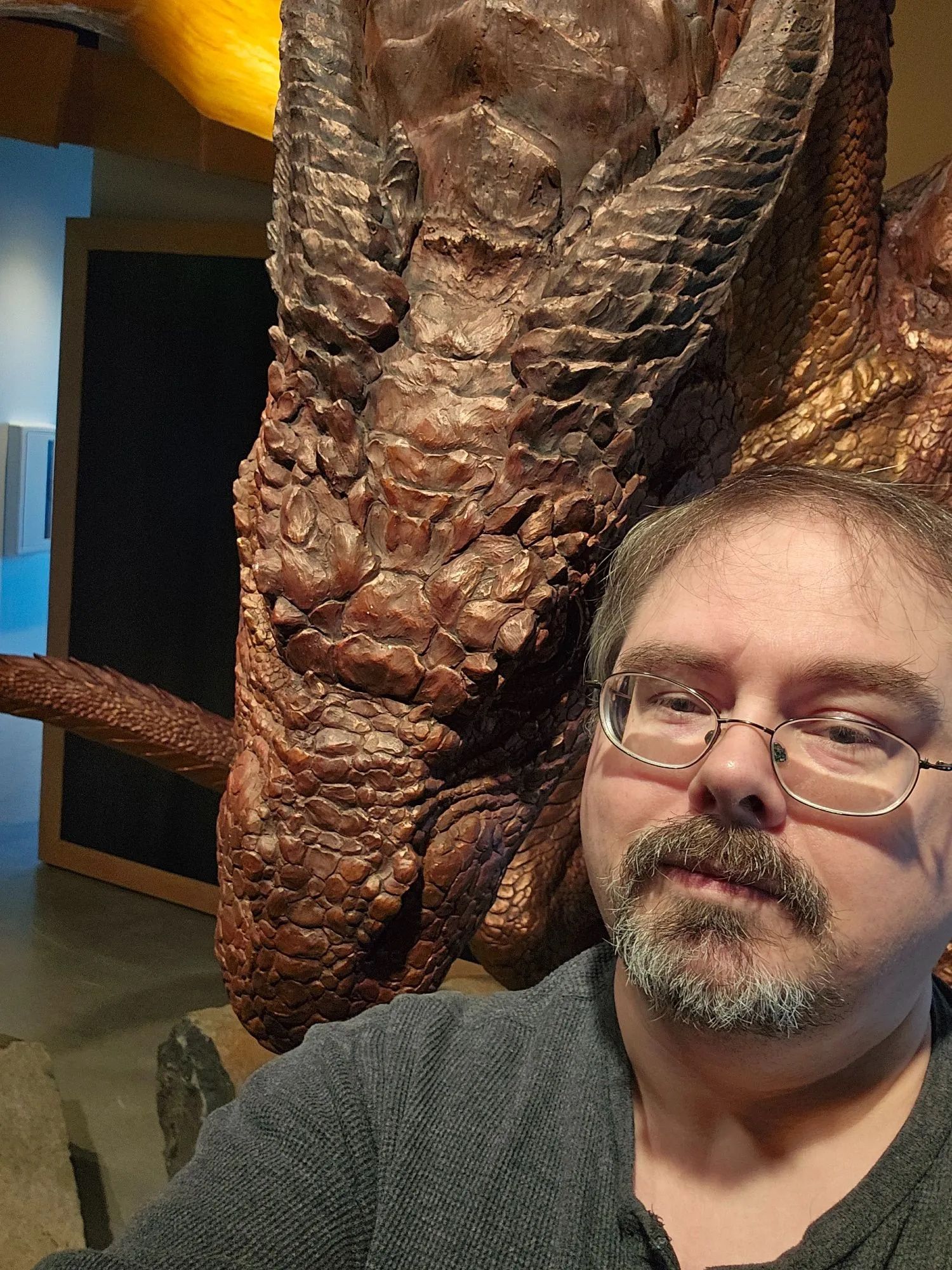
David Robert Mitchell’s new film arrives as Abrams’ first original project in years as one of its producers. Mitchell, whose earlier work includes the sleeper horror success It Follows, directs a story that shifts from suburban normality to prehistoric survival.
Denise and Greg Platt, played by Anne Hathaway and Ewan McGregor, are suddenly transported from their comfortable suburban neighbourhood to a world populated by dinosaurs. The film sets ordinary small-town Americans against a primeval environment, creating a survival story with a distinctly unusual premise.
There has been speculation that the film could somehow connect to Cloverfield, but no such connection is established in the supplied material. For Australian audiences, the film is scheduled to reach cinemas this Friday.
A career built across genres
From Forever Young and Armageddon to Alias, Lost, Fringe and Lovecraft Country, Abrams’ career is broader than his best-known space adventures suggest. His recurring interests are clear: secret organisations, impossible science, hidden histories and characters confronting forces much larger than themselves.
For readers planning a home entertainment setup around science-fiction and action games, RETROCADE’s arcade machine buying guide can help with choosing the right format. A full-size arcade cabinet suits a dedicated games room, while compact bartop arcades suit smaller Australian homes.


Leave a Reply