


Galaxy Express 999 will soon begin another journey through the stars, almost half a century after the franchise first appeared. A new theatrical anime film was announced on Saturday, 25 July, through the official account of creator Leiji Matsumoto.
Toei Animation, the studio responsible for the original 1978 project, is returning as producer. Rintaro, who directed the acclaimed 1979 Galaxy Express 999 film, will provide the story concept for the new production.

A long-awaited continuation of Matsumoto’s vision
Makiko Matsumoto, Leiji’s eldest daughter and representative director of his company, Leijisha, welcomed the announcement with a heartfelt message. She wrote that the project continues the journey her father began decades ago and reflects a film he had dreamed of making.
“Creating animated films has been Matsumoto’s dream since childhood and his greatest goal in life,” she wrote in translation. “That unwavering passion will continue forever, as he races along the silver rails that traverse the vast galaxy.”

The news is a timely reminder of why Galaxy Express 999 remains such an important work of anime science fiction. Its worlds are filled with alien planets, advanced technology and interstellar travel, but the story’s real focus is grief, isolation, growing up and the search for meaning.
Its influence also sits within the broader history of Japanese popular culture. Readers interested in the relationship between classic entertainment and gaming can explore RETROCADE’s arcade and gaming news for more industry and retro-culture coverage.
The story aboard the Galaxy Express 999
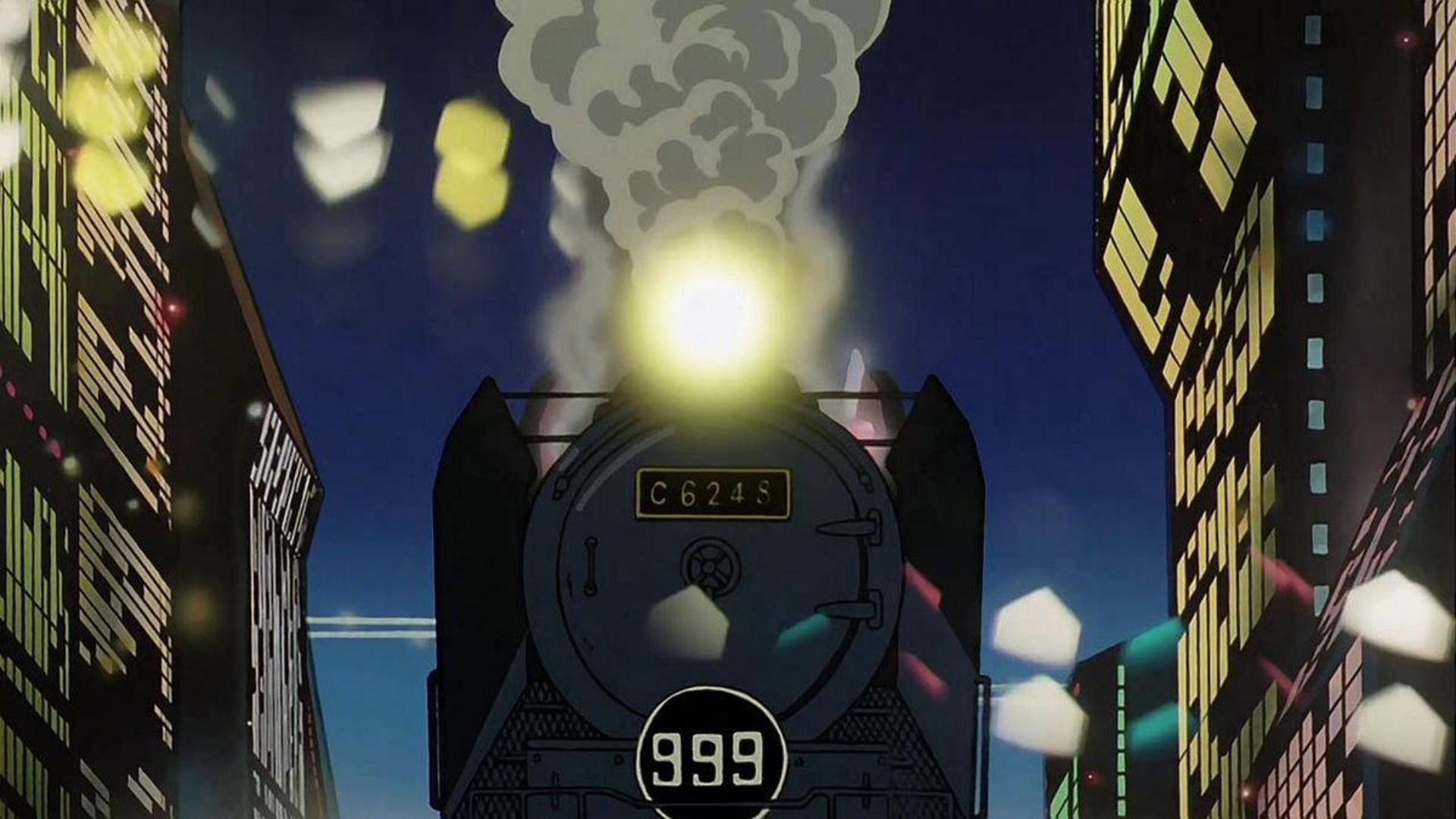
The series is set in a future where human beings can replace their biological bodies with mechanical ones, potentially gaining a form of immortality. Following the death of his mother, young Tetsuro Hoshino dreams of boarding the legendary Galaxy Express 999.
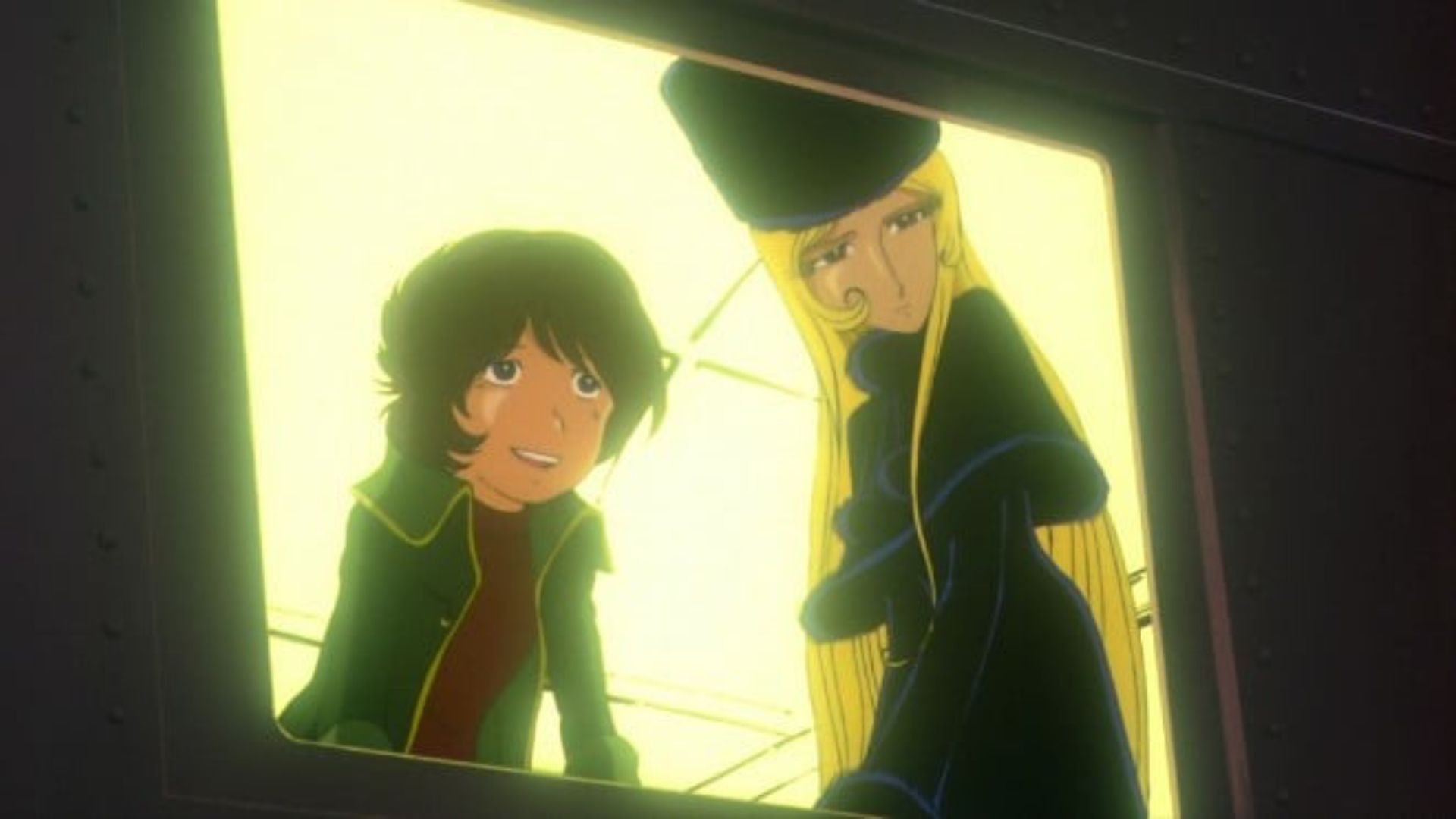
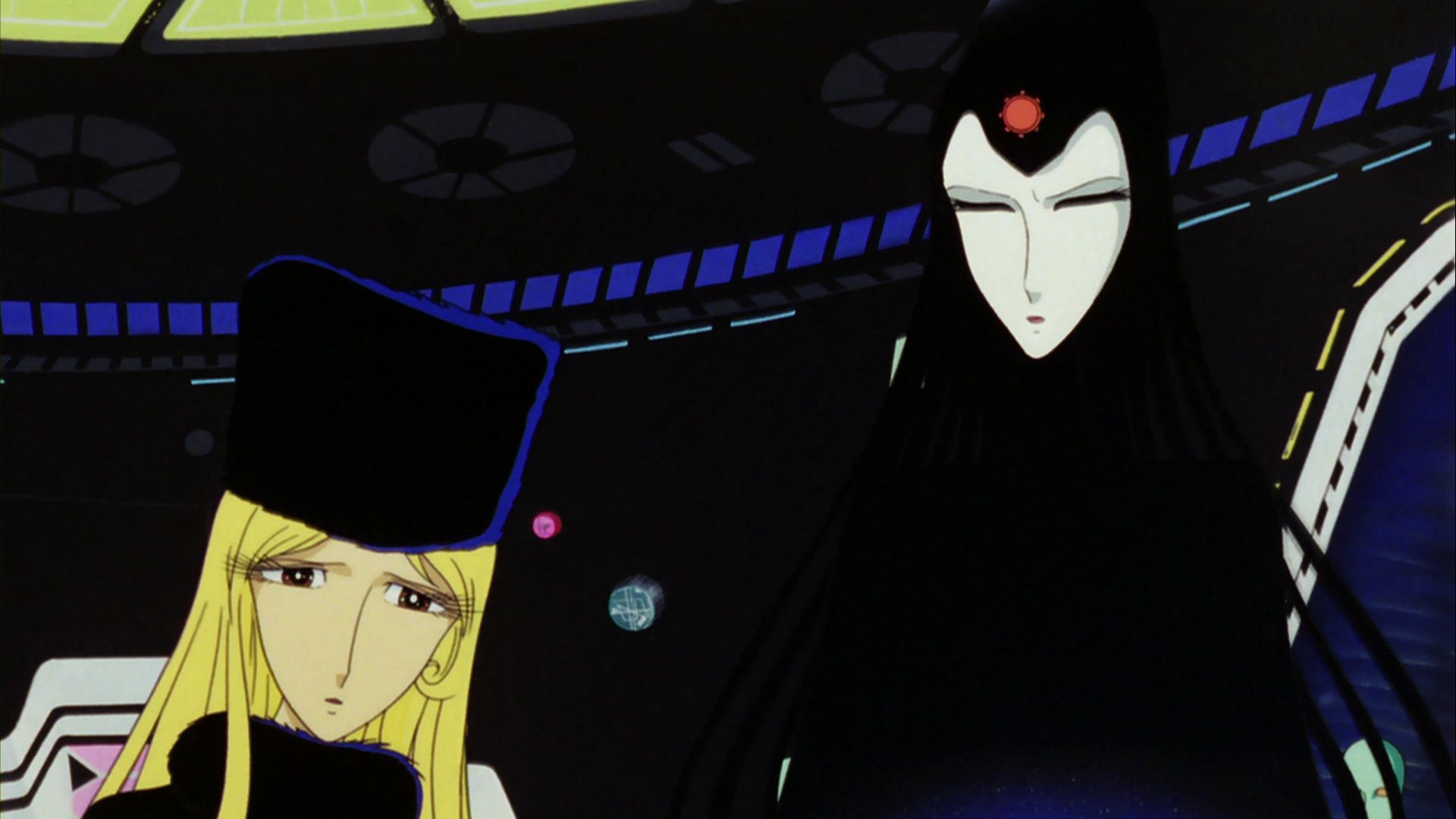
Tetsuro hopes the train will carry him to a distant planet where he can receive a mechanical body of his own. He makes the journey alongside Maetel, a mysterious and elegant woman whose sadness and composure have made her one of anime’s most recognisable characters.

Science fiction with a human centre
Leiji Matsumoto’s manga began serialization in 1977 and became one of his defining creations, alongside Space Battleship Yamato and Captain Harlock. Rather than treating space travel as an excuse for spectacle alone, the work uses its vast setting to examine intimate emotional experiences.
Each station exposes Tetsuro to a different society, danger or personal tragedy. The encounters force him to reconsider what he wants and whether technological perfection is worth the cost. Mechanical immortality is presented as a tempting possibility that may also strip away the experiences that make life valuable.
The train therefore operates as more than transport. It is a symbol of adolescence and change, with every stop bringing another lesson and every departure requiring Tetsuro to leave something behind.
That mix of scale and feeling is one reason the series remains relevant to audiences discovering classic anime today. Viewers new to the property may find the arcade videos and visual features on RETROCADE useful alongside their wider retro-gaming interests.
Why Rintaro’s 1979 film remains essential
Rintaro’s 1979 theatrical film is still regarded as the definitive introduction to Galaxy Express 999. It reshapes the larger story into a focused cinematic journey, combining dreamlike imagery, memorable character designs and a rare feeling of loneliness among the stars.
The film can be viewed through the Internet Archive. Rintaro’s visual direction is central to its enduring power; he once argued that animation is fundamentally about creating images.
Rintaro’s later credits include the “Labyrinth Labyrinthos” segment of Neo Tokyo, X: The Movie (1996) and Metropolis (2001). His involvement in the new project creates a direct link to the franchise’s most celebrated cinematic interpretation.


Why the questions still resonate
Galaxy Express 999 has survived as more than a landmark space adventure because its central questions remain open. Does living longer make life better? What does it mean to be human? How can we move forward after losing the people and places that shaped us?
Those themes have echoed through later science fiction, including Star Wars and Neon Genesis Evangelion. Matsumoto’s approach is notably quiet and melancholy: beneath the spectacle, his characters are searching for companionship and purpose in an immense universe.
The story’s strong visual identity is also part of its appeal for anyone interested in classic Japanese design. RETROCADE’s arcade machine buying guide offers practical advice for readers considering a dedicated cabinet for their own collection, while compact bartop arcades suit smaller Australian gaming spaces.
When will the new film arrive?
The theatrical film is in development, but the supplied announcement indicates that it may take several years to reach audiences. No release date, cast or additional production details have been provided.
For established fans, the project offers a return to a beloved universe. For newcomers, it is an opportunity to experience a landmark anime whose ideas reach far beyond its interstellar setting. Galaxy Express 999 is available to stream on Crunchyroll and the Internet Archive.


Leave a Reply