

Video-game history is full of excellent releases that never became lasting franchises. Some received a sequel or port before disappearing, while others were left behind despite having ideas that still feel distinctive.

A successful remake would need more than sharper graphics. It would have to preserve each game’s identity while addressing barriers such as punishing difficulty, awkward controls, limited access or dated presentation. These ten forgotten games still have plenty of potential.
1. The 7th Saga (1993)
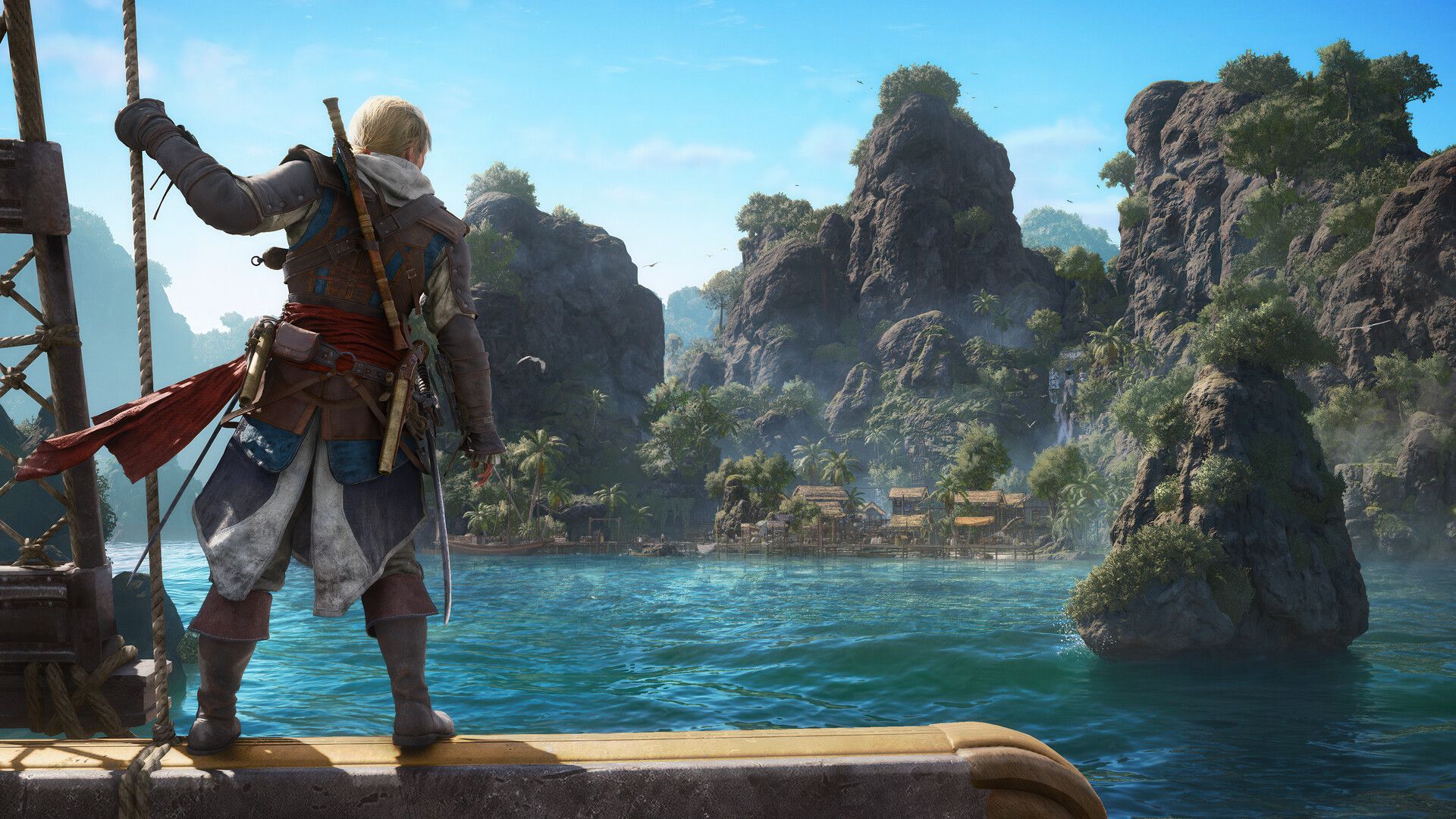
Released in Japan as Elnard, The 7th Saga reached North America with increased difficulty and, like many notable Super Nintendo RPGs, never received a European release. The tougher balance encouraged extensive grinding and made the adventure less inviting to a broad audience.
Its foundation remains excellent. Seven adventurers travel independently through a grim fantasy world while searching for the same crystals. Their relationships change depending on the protagonist, allowing players to recruit some characters and fight others. A crystal ball could reveal approaching encounters and, in theory, help avoid them. Strong visuals and branching interactions encouraged repeat playthroughs. Produce!, the original developer, has since closed, but another capable studio could rebalance the game and give it the audience it missed.
2. Populous (1989)
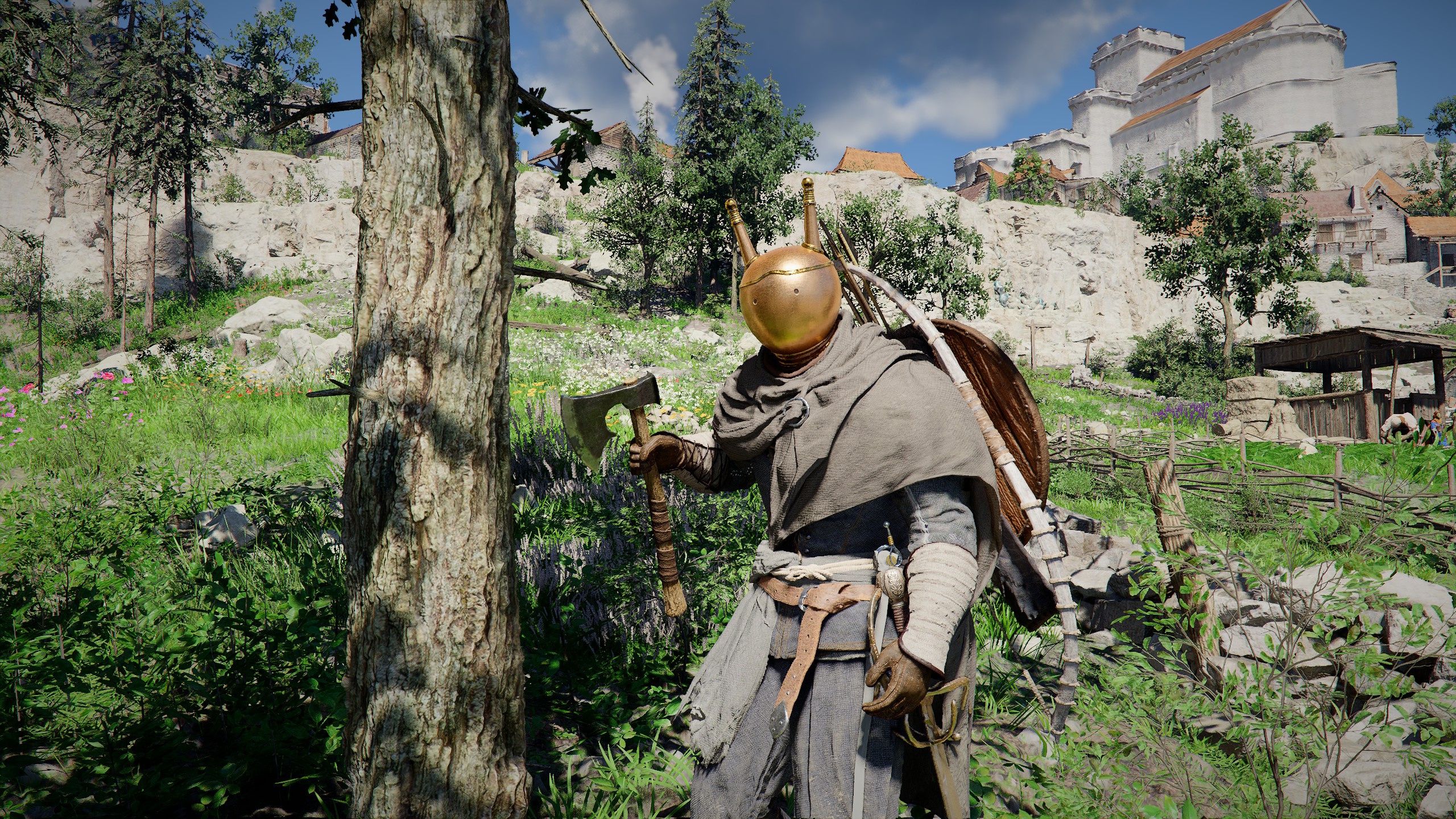
Peter Molyneux created Populous at Bullfrog Productions, and the game is widely regarded as the first “god game”. Players guide a civilisation towards enough strength to challenge a rival society, reshaping the landscape to create room for their followers.
Additional building space generates “mana”, which enables further terrain manipulation. The game appeared on many platforms and rewarded players for learning its systems. The last new entry, Populous: The Beginning, arrived in 1998, while a DS port followed in 2008. Molyneux attempted a related revival with Godus in 2012, but its troubled Kickstarter and release led to an apology after lofty promises went undelivered. A carefully designed reboot of the original formula remains the most appealing route back.
3. Ogre Battle: March of the Black Queen (1993)
Many 1990s Super Nintendo RPGs followed familiar turn-based, world-saving structures. Ogre Battle: March of the Black Queen took a more strategic path, asking players to build large armies, deploy units across broad maps and confront commanders at fortified positions.
Combat played out automatically according to unit classes and placement, leaving the player to focus on army composition and battlefield decisions. Alignment and other statistics influenced campaign events, giving the lengthy story strong replay value. The game led to the more tactics-focused Tactics Ogre and Ogre Battle 64: Person of Lordly Caliber, but neither the original nor its Nintendo 64 follow-up has received a proper modern update in decades.
4. Uncharted Waters (1990)

Uncharted Waters was an outstanding NES release that became even more enjoyable on the Super Nintendo. Its direct follow-up, New Horizons, reached North America, but later entries largely remained in Japan before the series went quiet.
Trading, naval combat, exploration and port gambling combined with role-playing systems to turn historical travel into an engaging adventure. The 2023 mobile and PC release Uncharted Waters Origin expanded the world around online spending, losing much of the focus that made the earlier games compelling. Steam versions of the first two titles are available, but they lack English support. A modern remake with the scale Koei has given series such as Romance of the Three Kingdoms 8 and Nobunaga’s Ambition would be welcome.
5. Beetle Adventure Racing (1999)

Beetle Adventure Racing was an unusually polished Nintendo 64 racer that never received the attention of the era’s biggest driving games. It offered attractive environments, hidden shortcuts and energetic arcade handling after beginning development as a Need for Speed project.
Its accessible, coin-op-style approach would still work without a complete redesign. A fresh visual treatment and modern features could be enough. Licensing between Electronic Arts and Volkswagen may be difficult or expensive, however, and the original development team is no longer together. For fans of arcade driving, it remains an ideal candidate for a straightforward revival. RETROCADE readers can explore more racing simulator ideas while imagining its return.
6. Toobin’ (1988)

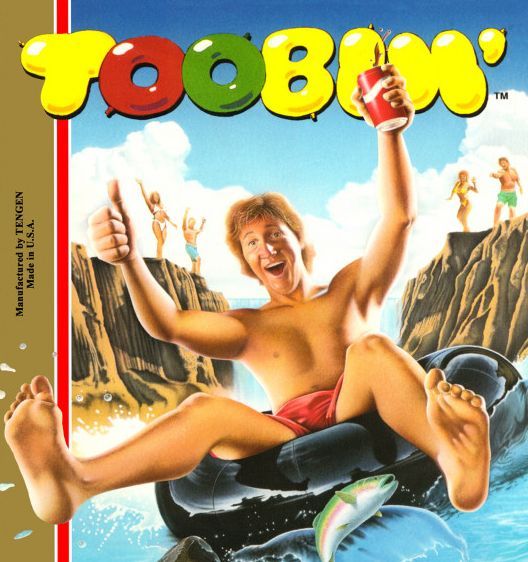
In Toobin’, players ride an inner tube down a river, throw soft-drink cans at targets, avoid whirlpools and alligators, travel through time and chase high scores. The concept worked in arcades and translated successfully to home hardware, but no sequel followed.
Modern rendering could make the water, vegetation and hazards more expressive without changing the simple appeal of the original. In 2018, Cliff Bleszinski was unable to find support for a related spiritual successor featuring animals, suggesting that publishers may still see the idea as a risk.
7. Panzer Dragoon Saga (1998)

Panzer Dragoon Saga is famous partly because Sega lost the original source code, making a straightforward port to current systems exceptionally difficult. Sega has also generally allowed other developers to work on the wider franchise, with mixed results.
A full remake receiving the care Square Enix gave Final Fantasy 7 would be fascinating. It could also make a legitimate version easier to obtain than the original, which can cost close to $1,000. For now, unauthorised fan projects represent the clearest possibility of a meaningful revival.
8. Paperboy (1985)

Paperboy turned a familiar suburban delivery job into an arcade challenge involving bike riding, precision throws and dangerous obstacles. It found success in arcades and on the NES, followed by a sequel and a Nintendo 64 release from High Voltage Software.
Later availability has been limited to some mobile devices and an Xbox 360 port that disappeared after Midway’s collapse. A modest 3D remake could rebuild the original arcade routes while adding hazards and paths inspired by Paperboy 2. Its premise remains immediately understandable, making the long absence difficult to explain.
9. Skies of Arcadia (2000)

Known as Eternal Arcadia in Japan, Dreamcast RPG Skies of Arcadia imagined floating islands connected by giant airships. Sega combined that setting with traditional JRPG systems, striking visuals, memorable music and an engaging story.
The series received ports for GameCube and PlayStation 2, but neither performed strongly enough to continue the franchise. Players who experienced the original still remember it fondly, and the audience for carefully made JRPGs is much larger today. A visual upgrade and broader release could give the sky-pirate adventure a genuine second chance.
10. StarTropics (1990)
Nintendo’s StarTropics arrived on the NES late in that system’s life and received only one sequel, released after much of the world had moved on to the Super Nintendo. The story follows Mike Jones, who searches the islands of C Island after his uncle disappears, using a yo-yo to fight monsters and uncover a much larger threat.
Tile-based dungeons could be frustrating, particularly when puzzles and enemy movement behaved unpredictably, but the island settings and unusual tone remain memorable. The original also included a water-activated package insert that was easy to misplace. A remake could retain the eccentric adventure while improving dungeon design, making it appealing to players who enjoy games such as Tunic. The power of the Switch 2 would provide plenty of room for that reimagining.

What would make these remakes work?

The strongest candidates do not need to become enormous open-world productions. Beetle Adventure Racing and Toobin’ could benefit from responsive controls and modern presentation, while The 7th Saga needs better balance and StarTropics needs clearer dungeon design. Ogre Battle, Uncharted Waters and Populous would need interfaces that make complex systems easier to understand.
Arcade-focused remakes could preserve short sessions, clear objectives and score-chasing. Those qualities remain central to a great arcade machine, whether played in a home games room or an Australian venue. Owners planning a custom setup can consult the arcade machine buying guide, while restoration projects can browse arcade parts.

Access matters as much as technology. English support, sensible pricing and legitimate releases would help bring these games to people who have only heard about them. That is particularly important for titles trapped on expensive original hardware or in regions where they were never officially released.

Why forgotten games still matter
These games show that originality does not always lead to a long-running series. Some were difficult, some arrived on fading hardware, some faced licensing or technical problems, and others simply failed to find a large enough audience at the time.
A thoughtful remake would not need to erase that history. It could make the best ideas easier to experience while giving modern players a fairer introduction. Until publishers take another look, these ten remain reminders of the creative potential still waiting in older game libraries.


Leave a Reply