


Anime finales can redefine an entire series. A thoughtful conclusion may reward years of investment, while a rushed reveal, unexplained cliffhanger or dramatic tonal shift can leave viewers arguing long after the credits.
Spoiler warning: this article discusses the endings of all five anime listed below.
Some shows, such as Fullmetal Alchemist: Brotherhood and Mob Psycho 100, are broadly praised for how they finish, even if fans can still offer fair criticism. Others inspire far more divided reactions. These are five endings that continue to split audiences.

1. Erased

Erased follows Satoru, a struggling manga artist who unexpectedly sends his consciousness into the past before tragedy strikes. When a serial killer threatens people close to him, Satoru must use this ability to prevent multiple disasters.
The series handles its ideas about memory, regret and second chances effectively, but its final episode is much less satisfying. The anime compresses several significant manga chapters into one instalment, leaving important context, character motivations and backstory underdeveloped.
Satoru does prevent deaths and save more than one person, yet his final confrontation with Gaku Yashiro feels surprisingly flat after such a strong build-up. The adaptation preserves much of the story’s emotional centre, but its hurried revelations make the resolution feel less earned than it should.
2. Attack on Titan

Hajime Isayama’s dark fantasy epic builds its conflict around morality, violence and the way power changes Eren Yeager. He begins as a character audiences can support, making the ending’s redefinition of his motives especially contentious.
The extended manga conclusion addressed several criticisms of the original ending, while the anime’s adaptation added its own complications. Eren’s final change in direction can work as a bleak, bittersweet reversal for viewers who appreciate its challenge to heroic expectations.
For others, the problem is not Eren’s vulnerability itself but how abruptly it is revealed. Rushed exposition, underdeveloped side stories and consequences that do not always land weaken the finale. The story aims to condemn the cycle of violence, but its themes can feel muddled rather than sharply resolved.
3. Darling in the Franxx

Darling in the Franxx is set in a dystopian society where adults and children occupy separate worlds. The children are artificially created and trained to defend what remains of civilisation, with Hiro and Zero Two at the centre of the story.
Its conclusion sends the leads into a major space war, where they sacrifice themselves before being reincarnated on a rebuilt Earth generations later. The idea is consistent with the series’ interest in fate, love and humanity, but the execution is one of anime’s most divisive finales.
The final stretch rushes through major developments instead of allowing them to gain emotional weight. Compared with the anime, the manga takes a more grounded approach to Hiro and Zero Two’s fates and gives the supporting cast more closure. The reincarnation ending may be heartfelt in theory, but it lacks the emotional bridge needed to make the characters’ return feel fully meaningful.
4. Tokyo Ghoul: Root A

Tokyo Ghoul: Root A ends with Kaneki carrying his dying friend Hide through the snow, a quiet image that captures the season’s bleak mood. The finale’s problems, however, begin well before that final scene.
The anime takes a different path from Sui Ishida’s manga, making several bold and sometimes baffling creative choices. The fall of Anteiku and Kaneki’s implied confrontation with Special Class Ghoul Investigator Kishou Arima create the ingredients for a powerful climax, but the adaptation provides too little explanation or payoff.
The suggested fight with Arima and Kaneki’s eventual defeat leave major character outcomes unclear. Ambiguity can be effective when pacing and character writing support it; here, rushed storytelling and missing context make the tragedy feel empty rather than cathartic. That is particularly frustrating because the manga presents a much clearer vision of its complex world and characters.
5. School Days

School Days began as a visual novel with as many as 22 possible endings. Its 12-episode anime could not explore every branch, so it follows Makoto Itou as his involvement with several female classmates gradually damages his relationships and sense of self.
The anime’s final sequence is infamous for its violence: Sekai fatally stabs Makoto, and the intensely jealous Kotonoha then kills Sekai. Some viewers see the ending as a deliberate rejection of romantic comedy conventions, giving toxic and manipulative behaviour severe consequences.
Others believe the finale relies too heavily on shock. The story shifts from an already unhealthy adolescent romance into psychological horror, but the characters’ extreme fates do not always feel connected to their motivations. That tonal leap leaves the ending memorable, although not necessarily satisfying.
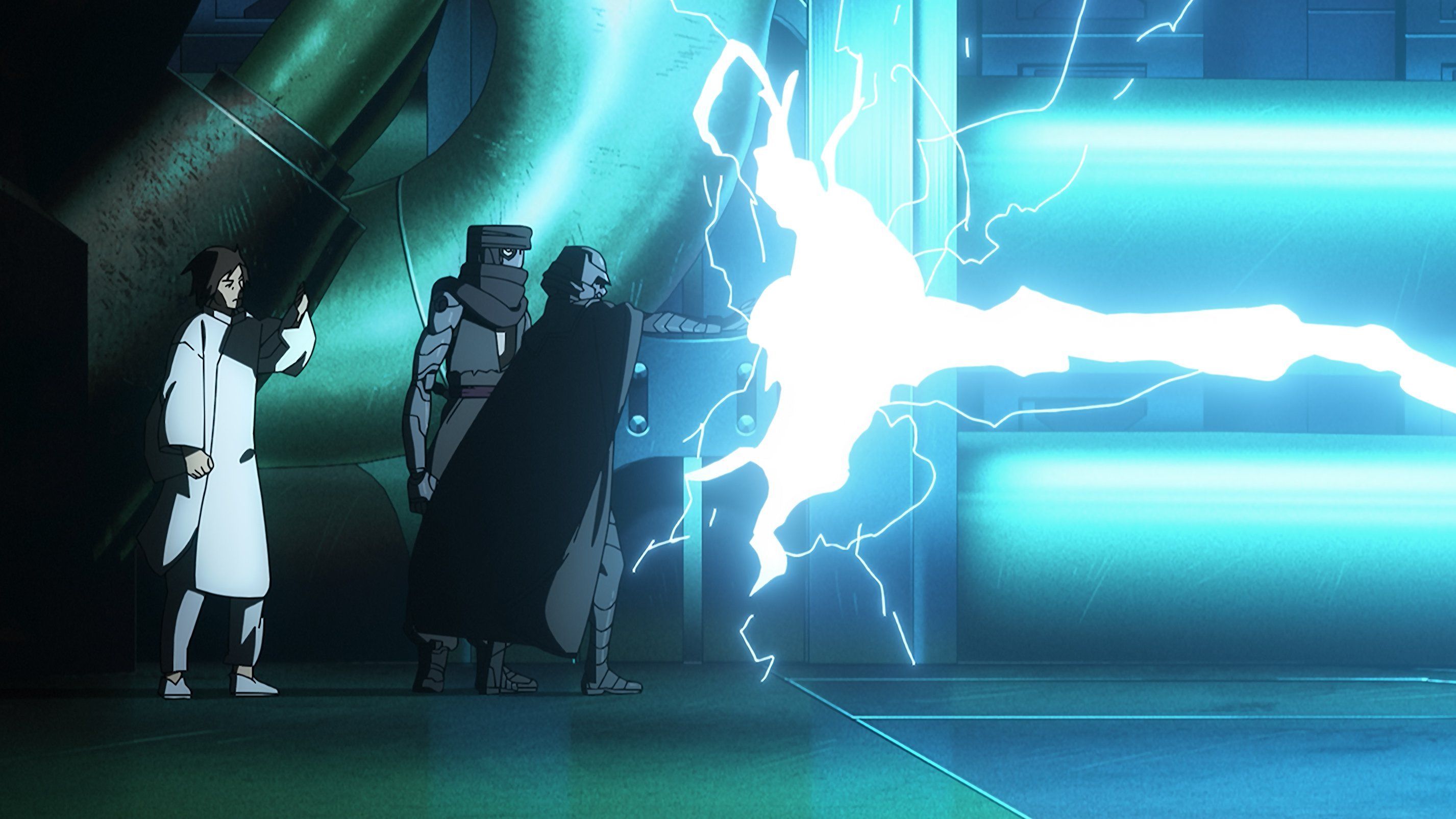
Why divisive endings stay in the conversation
These finales demonstrate that controversy does not come from one source. Erased is criticised for compression, Attack on Titan for its handling of character and theme, and Darling in the Franxx for rushing towards an abstract resolution. Tokyo Ghoul: Root A struggles with divergence from its source, while School Days deliberately courts discomfort.
For Australian fans who enjoy comparing storytelling choices across games and anime, the RETROCADE Arcade Blog offers more gaming and industry reading. You can also browse arcade videos or use the Arcade Machine Buying Guide when planning a home entertainment setup.
And if the mood calls for something more hands-on, explore the range of arcade machines or consider a compact bartop arcade. Like a debated anime ending, the best choice often depends on what you value most: clarity, emotion, surprise or the journey getting there.


Leave a Reply