

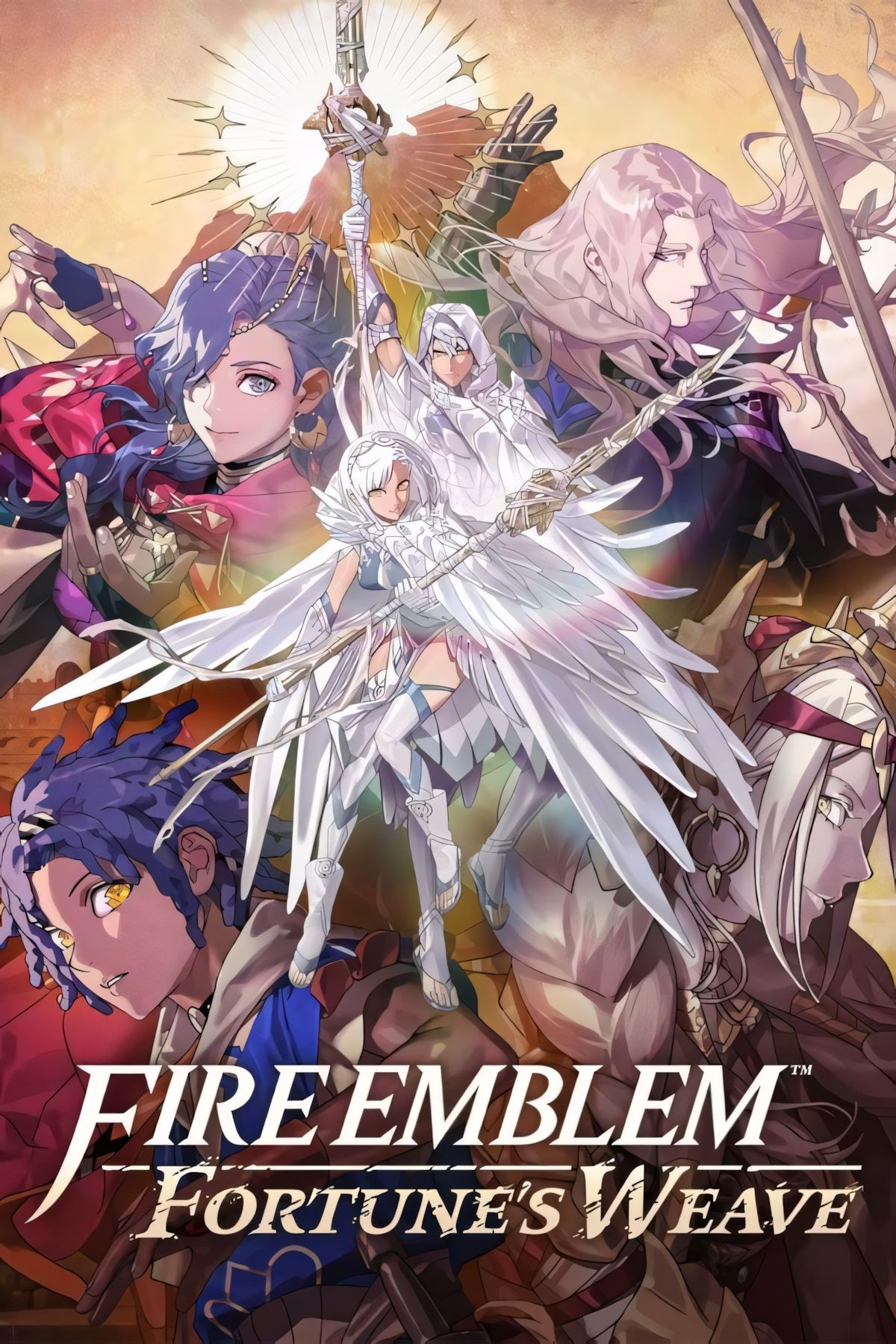
Fire Emblem: Fortune’s Weave arrives on Nintendo Switch 2 on 17 September 2026, leaving owners of the original Switch unable to play it. That may look like a sharp departure for the series, but its hardware history suggests the decision is more familiar than it first appears.


Intelligent Systems and Nintendo have previously moved Fire Emblem to a new platform when the series needed room to grow or when the hardware offered a stronger commercial opportunity. After spending time with Fortune’s Weave, the technical case for a Switch 2 release is also becoming clearer.
Fortune’s Weave is exclusive to Switch 2
Anyone still using the original Switch will miss the game’s launch. Nintendo has occasionally released three Fire Emblem titles on the platforms where the series performed best, making this a notable change in the company’s usual pattern.
The series began on the Famicom in the 1990s, before Nintendo regularly released Fire Emblem games internationally. Intelligent Systems produced two entries for that system: the original Fire Emblem, later remade as Fire Emblem: Shadow Dragon for Nintendo DS in 2008, and Fire Emblem Gaiden, remade as Fire Emblem Echoes: Shadows of Valentia for 3DS in 2017.
The Super Famicom then received three games:
- Fire Emblem: Mystery of the Emblem
- Fire Emblem: Genealogy of the Holy War
- Fire Emblem: Thracia 776
Three more releases followed on Game Boy Advance: The Binding Blade, The Blazing Blade and The Sacred Stones}. The Nintendo 3DS also eventually received three entries. GameCube, however, had only one: Fire Emblem: Path of Radiance.
That GameCube generation marked a change in strategy. Rather than releasing its sequel, Fire Emblem: Radiant Dawn, on the same console, Intelligent Systems and Nintendo moved it to Wii. The series’ growing international audience convinced Nintendo that a new game could help sell Wii hardware, as discussed in an interview about the game’s potential to drive Wii sales.
Fire Emblem has often followed the strongest hardware
When Fire Emblem needed a boost, Intelligent Systems returned to handheld systems, which were also where Nintendo’s business was strongest. Nintendo shifted 11.5 million 3DS units in 2013, while Wii U sold 13 million across its entire lifetime. With original Switch production winding down globally, making the next major entry exclusive to new hardware follows the same broad logic used during the GameCube era.


The sales argument is only part of the explanation. Fortune’s Weave also appears to demand more than the original Switch can comfortably provide without substantial compromises.
A larger world needs more capable hardware
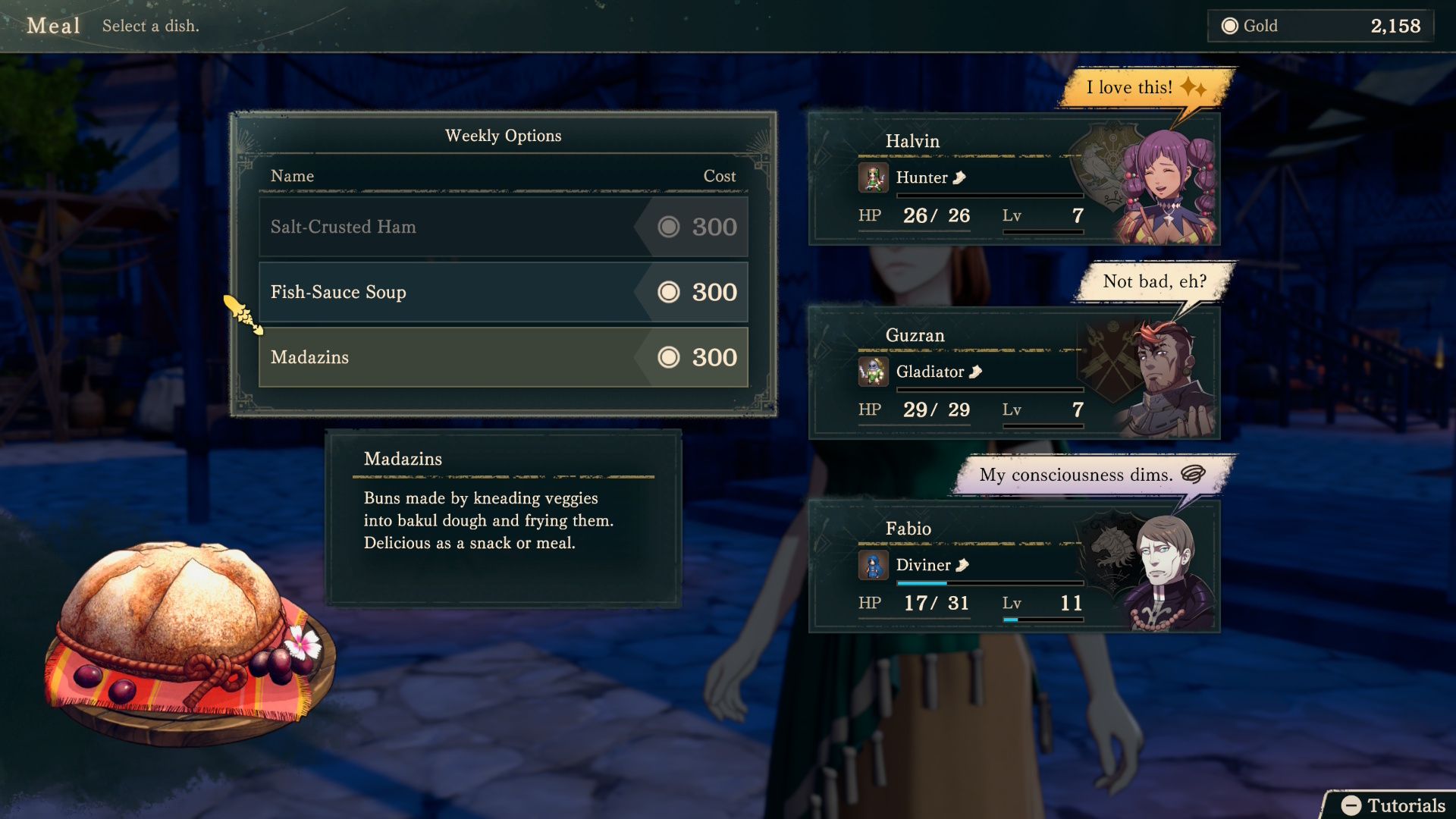
Fire Emblem: Three Houses was held back by blurry textures, stretched fruit images and lengthy loading. Exploring Garreg Mach Monastery could mean waiting several seconds for a door or gate to open while the next area loaded. Beyond the monastery, exploration was limited, and the maps were relatively small compared with earlier games.
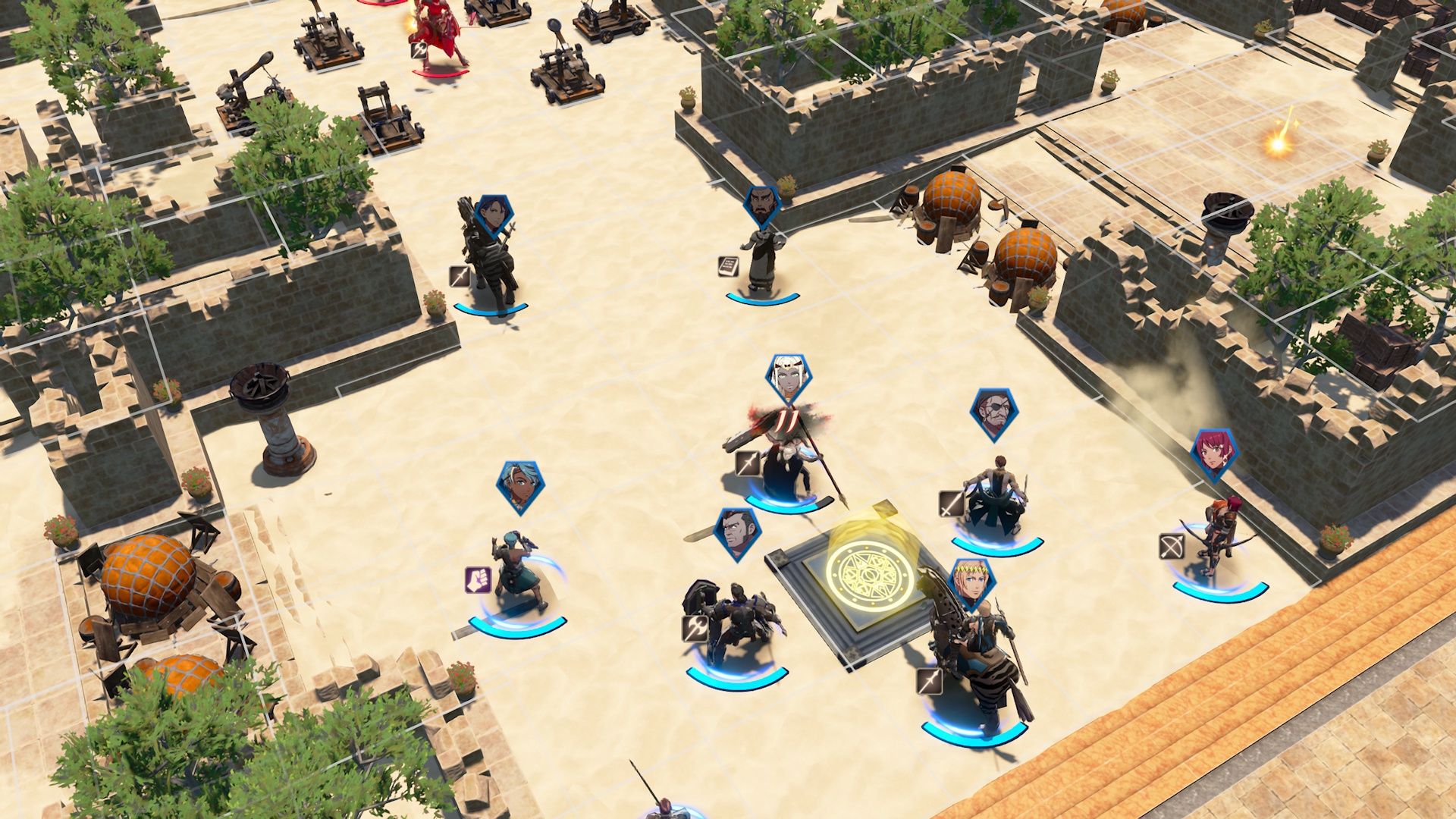
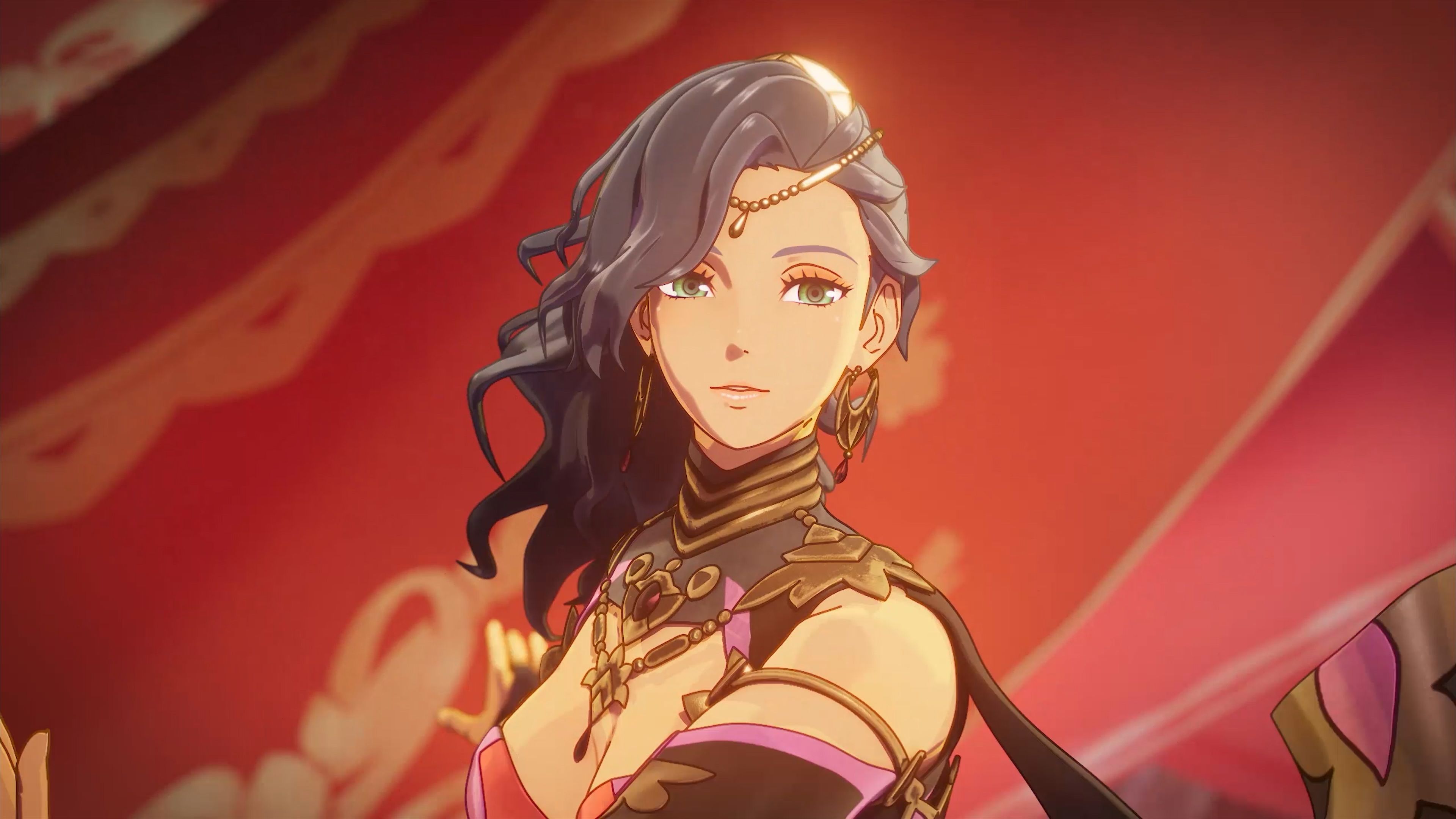
The preview build of Fortune’s Weave presents a considerably more ambitious structure. Dagsion, the central hub, is much larger and contains more characters and activities. In docked play, loading is described as practically instant; handheld mode takes slightly longer in some sections of the city.
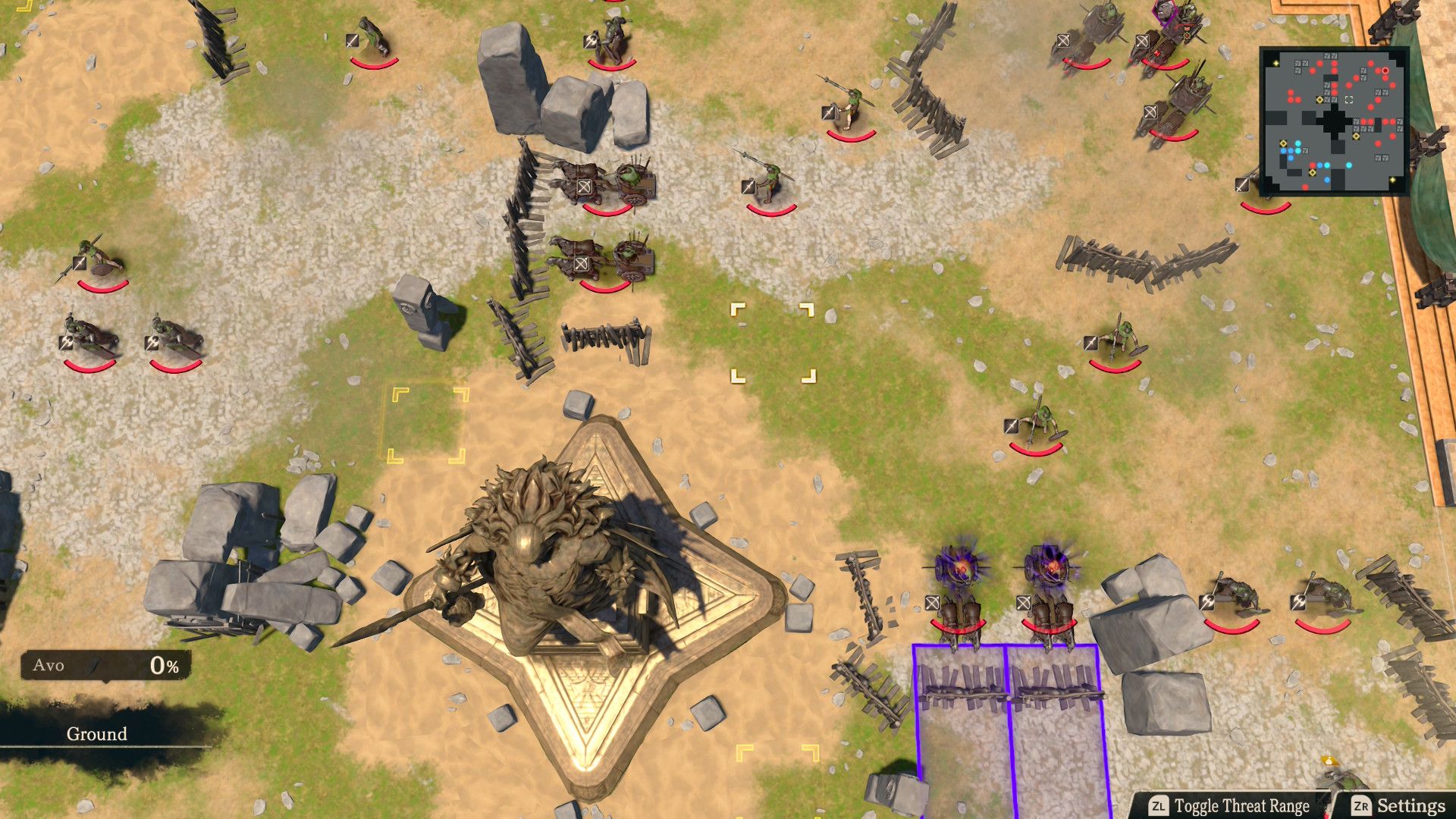
A world map includes dozens of locations, many of which can be explored. Battles are often more intricate too, with environmental effects and objects that can be interacted with during play. Those additions sit alongside the rest of the game’s broader ambitions, making a direct conversion to older hardware difficult to imagine without reducing its scope.
A practical decision with a technical reason
Fire Emblem: Fortune’s Weave will not launch on the original Switch, and business considerations are almost certainly central to that decision. The Switch 2 provides Nintendo with a reason to move a popular series to its new platform, just as Radiant Dawn helped support Wii.
Yet the choice is not simply about selling consoles. The larger city, broader world map, more detailed battlefields and improved loading performance suggest that the new game was designed around capabilities the original Switch may not have handled well. For Australian players deciding whether the sequel requires new hardware, the exclusivity is frustrating—but the available evidence indicates that a Switch 1 version would likely have involved significant compromises.
For more gaming and hardware coverage, visit the RETROCADE Arcade Blog, browse the arcade video collection, or use the arcade machine buying guide when planning a dedicated gaming setup. Compact-space players can also compare bartop arcade options.


Leave a Reply