


Colony, the next zombie feature from Train to Busan director Yeon Sang-ho, approaches horror like an escalating arcade challenge: learn the rules, survive the current stage and face a smarter threat in the next one.


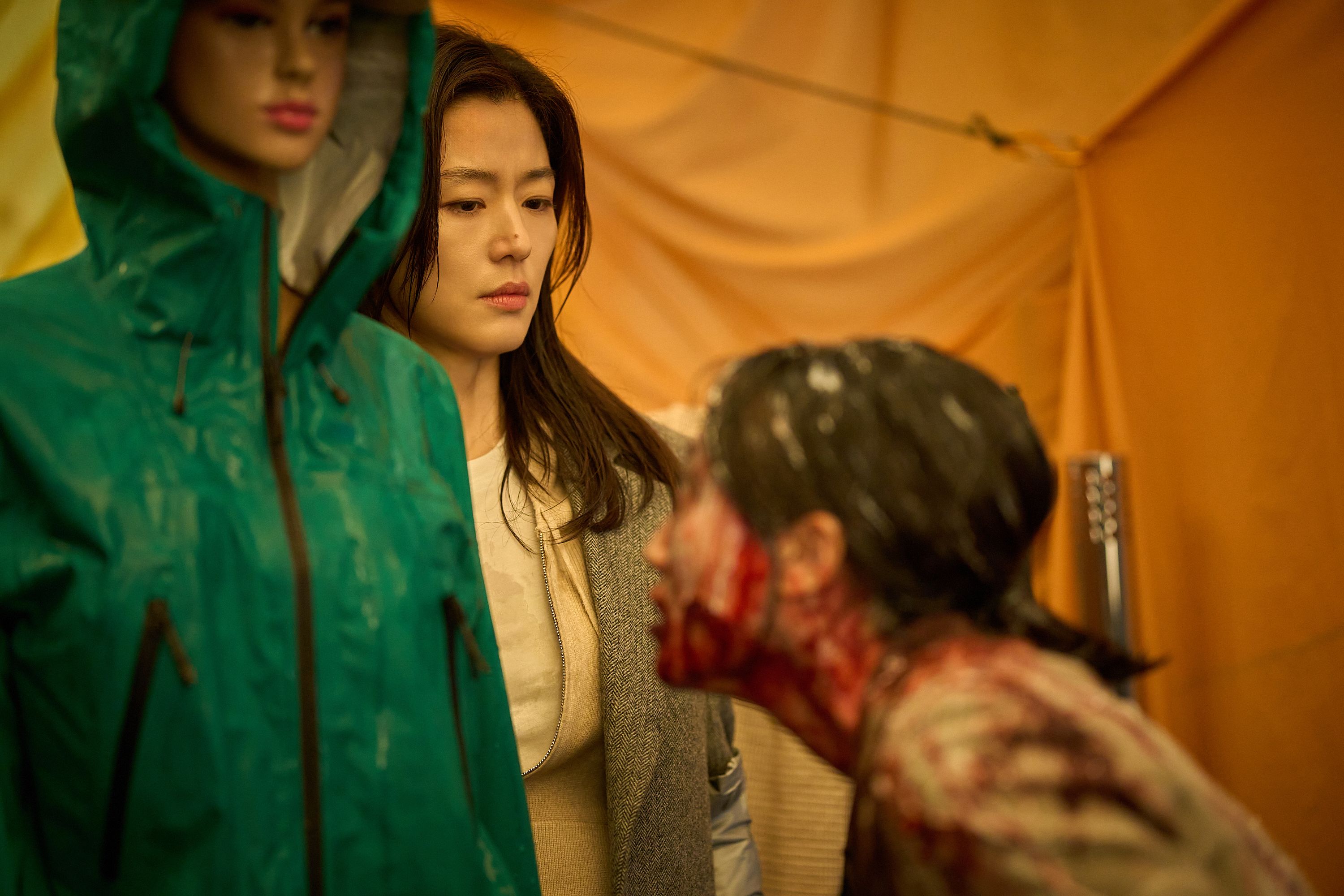
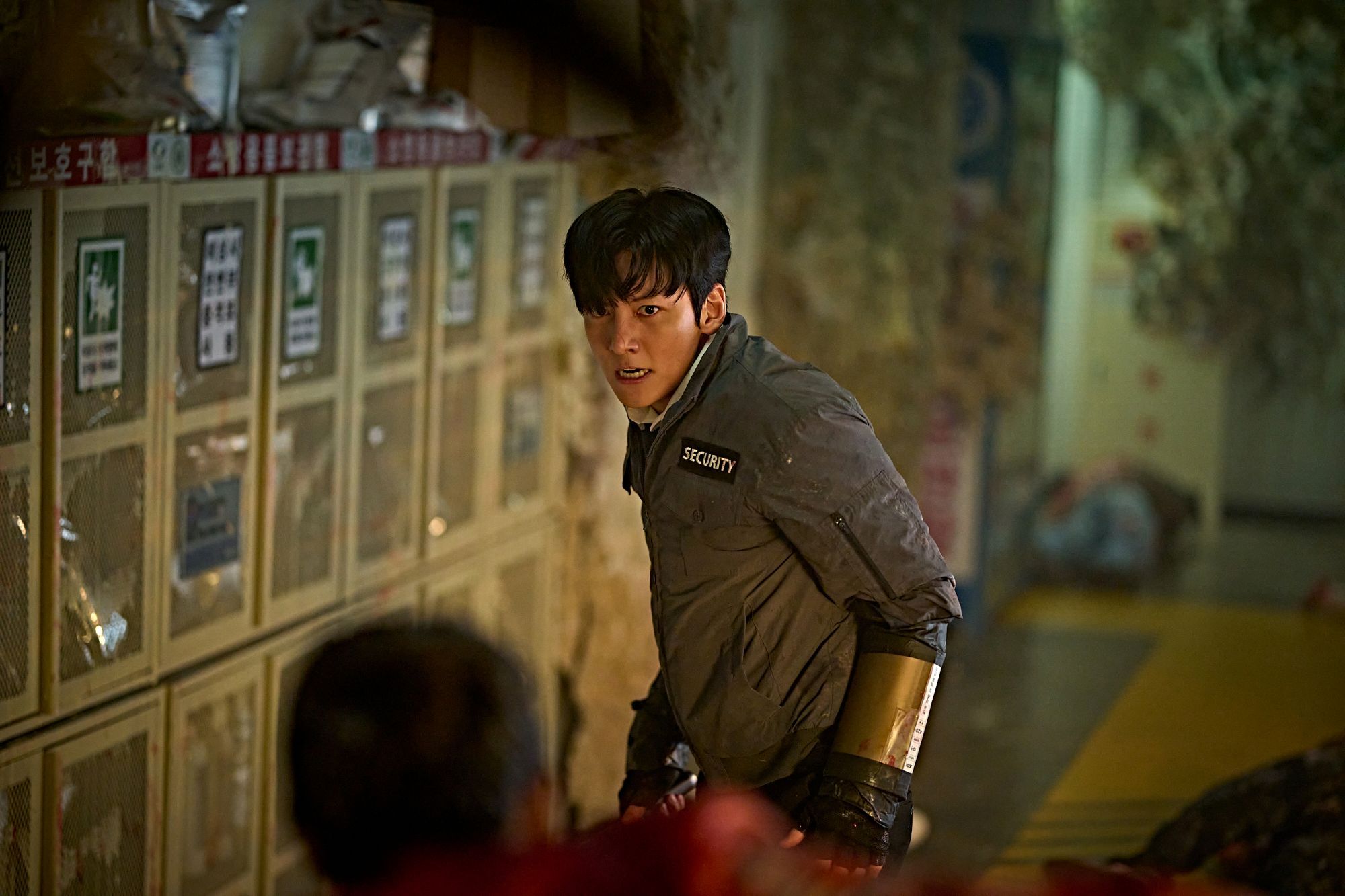
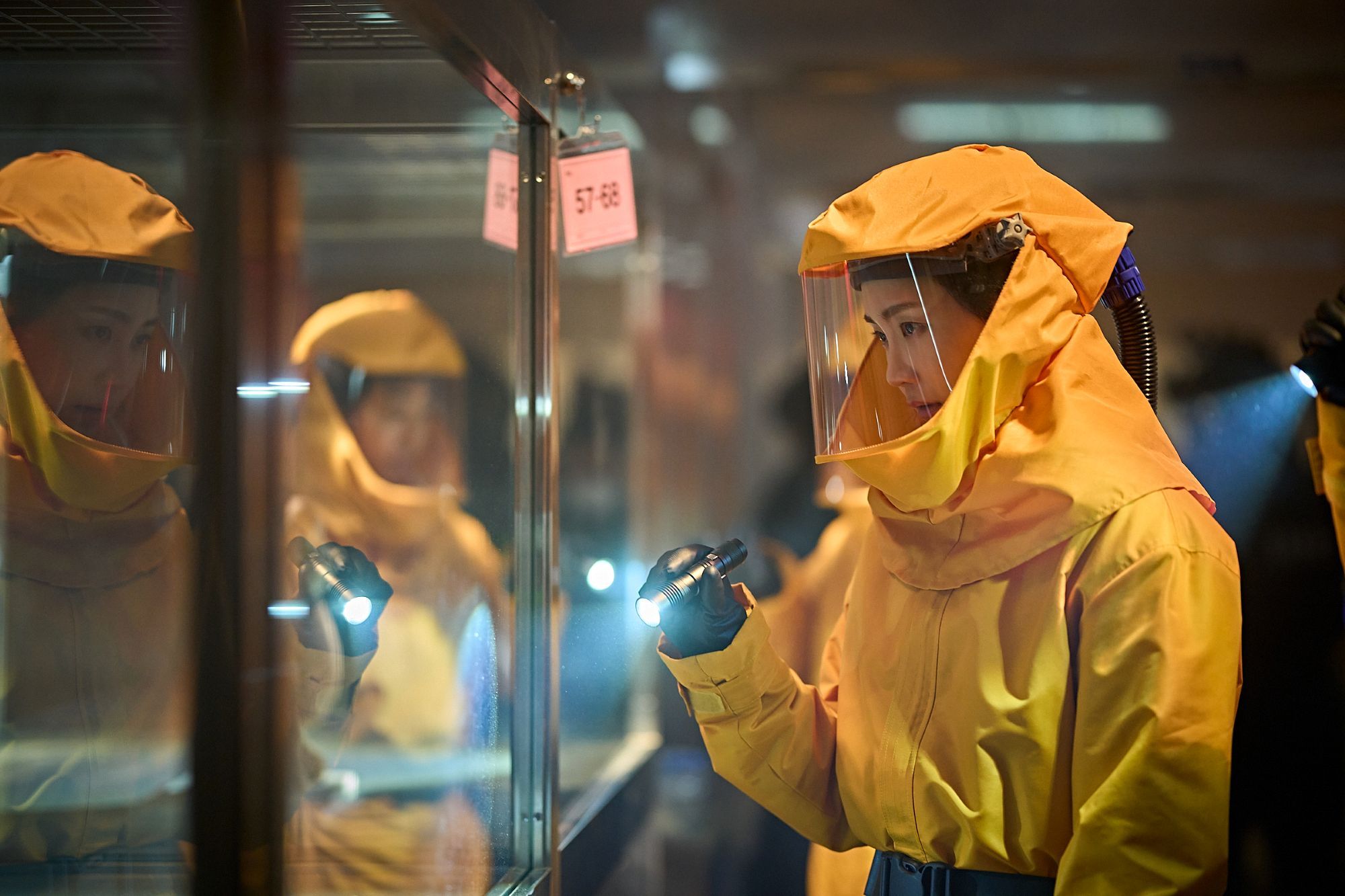
The film moves away from the confined train setting of Train to Busan and into a vast shopping mall. Its infected are not simply fast or aggressive. A scientifically engineered fungus gives them a shared intelligence, allowing the growing horde to exchange information and adapt.

As the zombies become more capable, the human survivors move in the opposite direction. Fear, selfishness and internal conflict erode their cooperation, creating a deliberate contrast between an evolving collective and a fractured society.
Yeon has described Colony as a film designed to feel like a video game. That idea shapes both its structure and its monsters.
A zombie film built like an evolving game
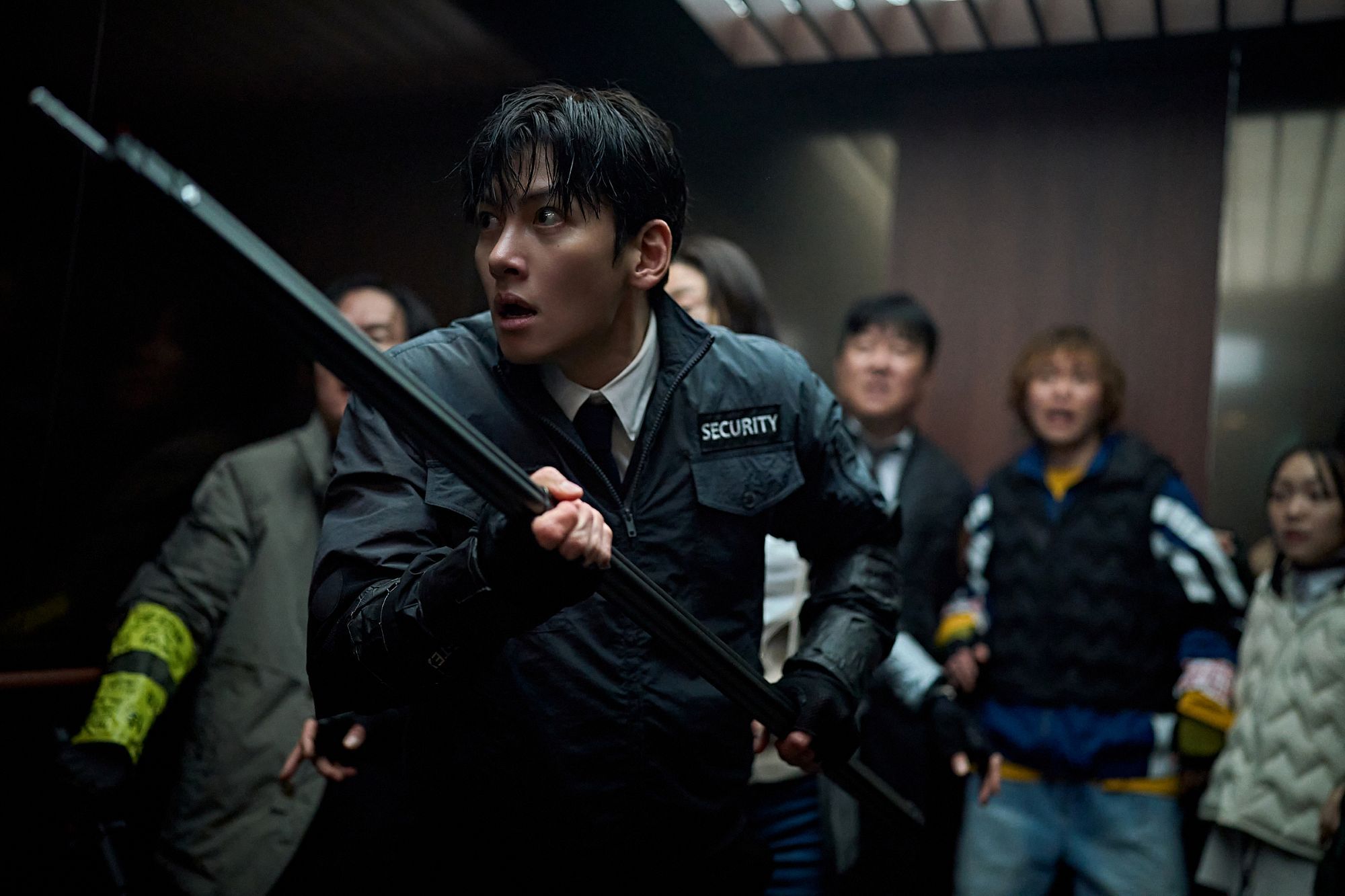

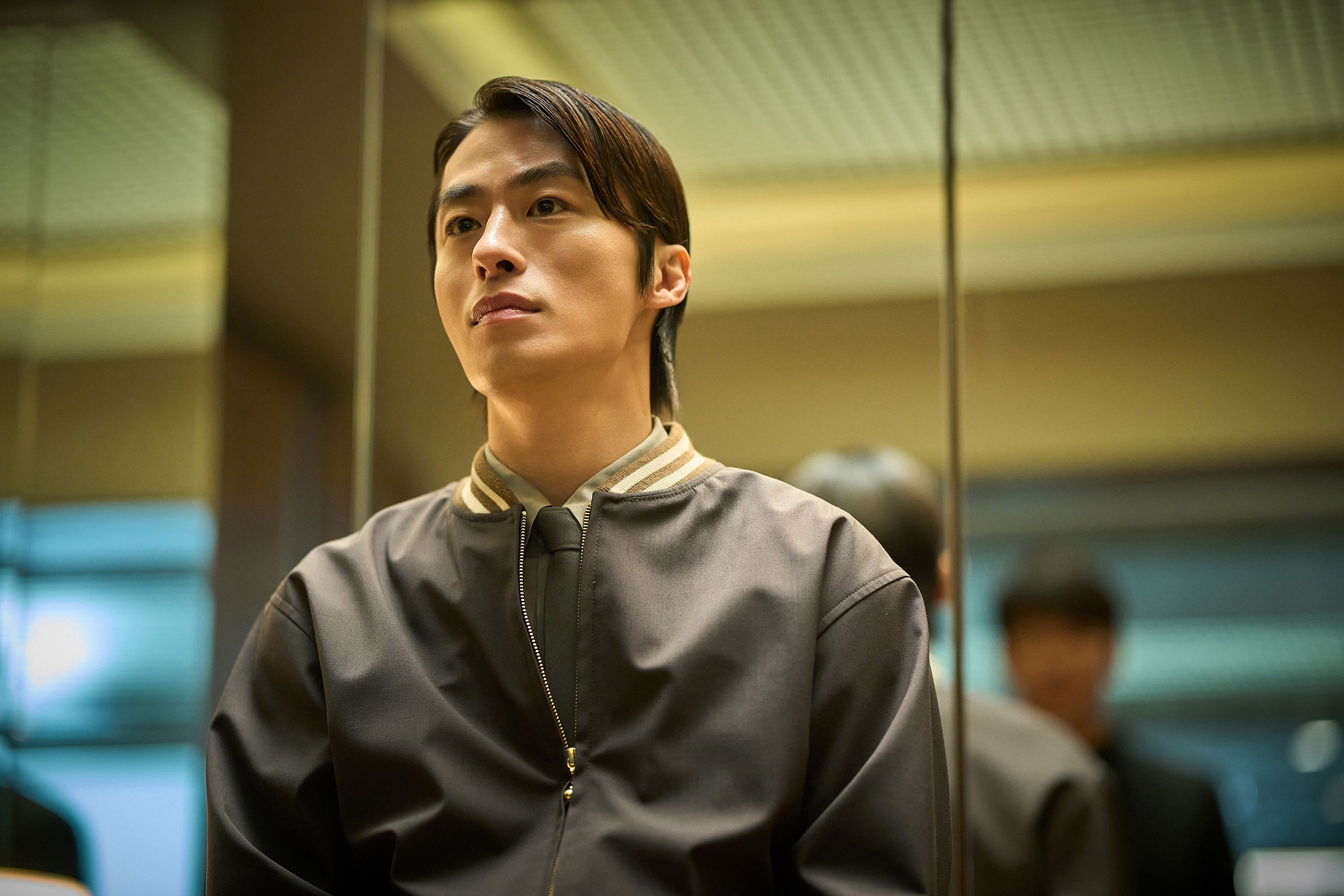
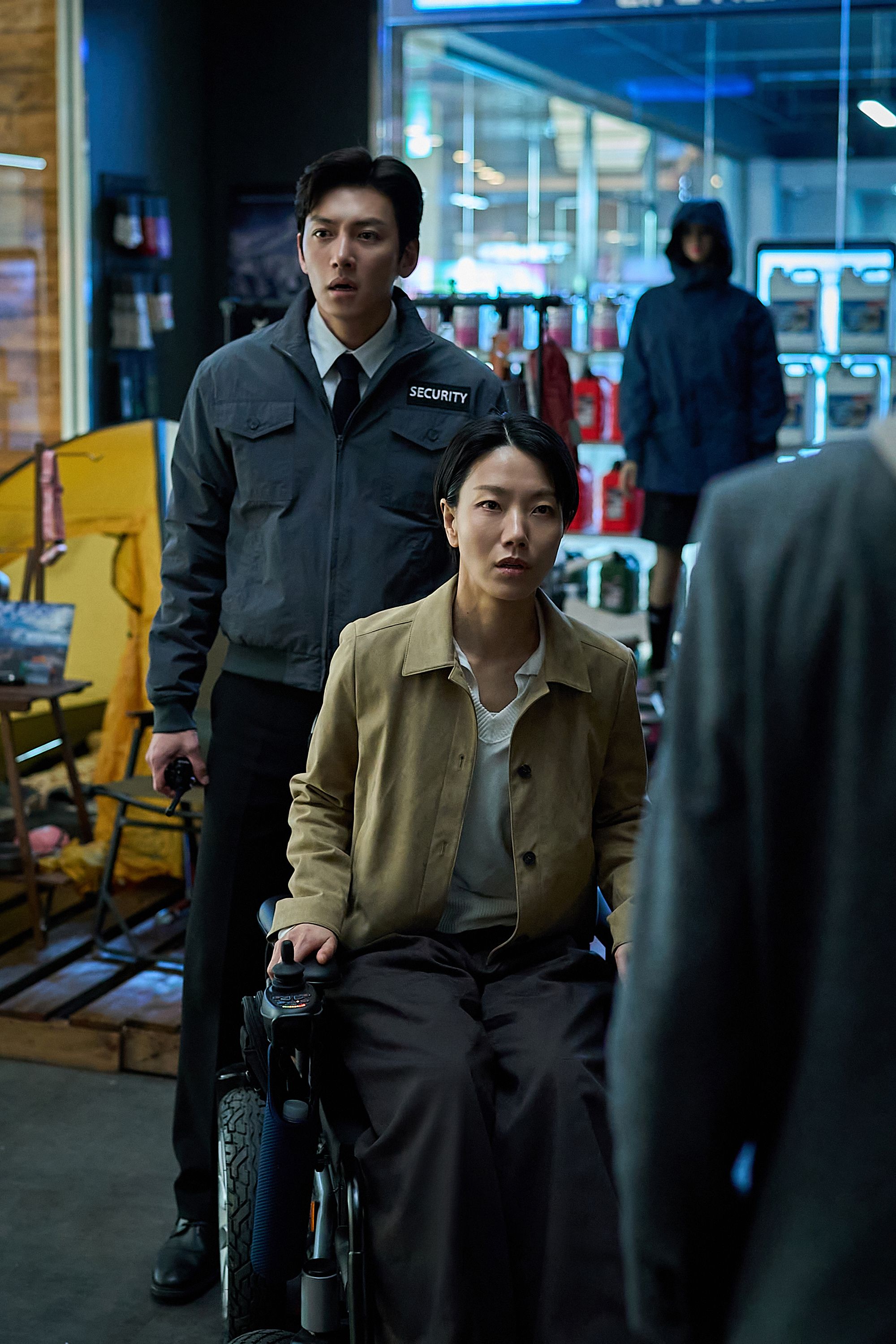


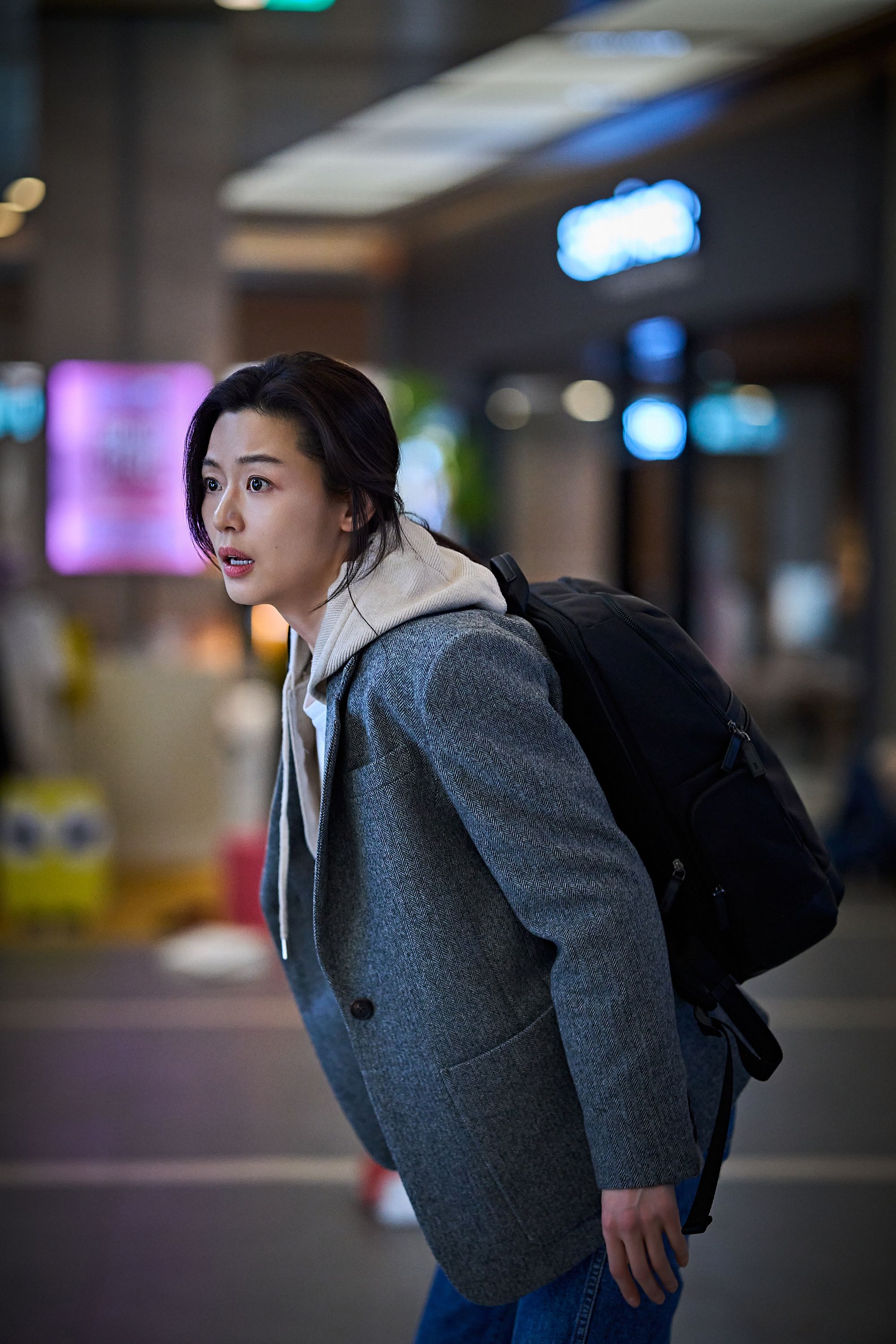

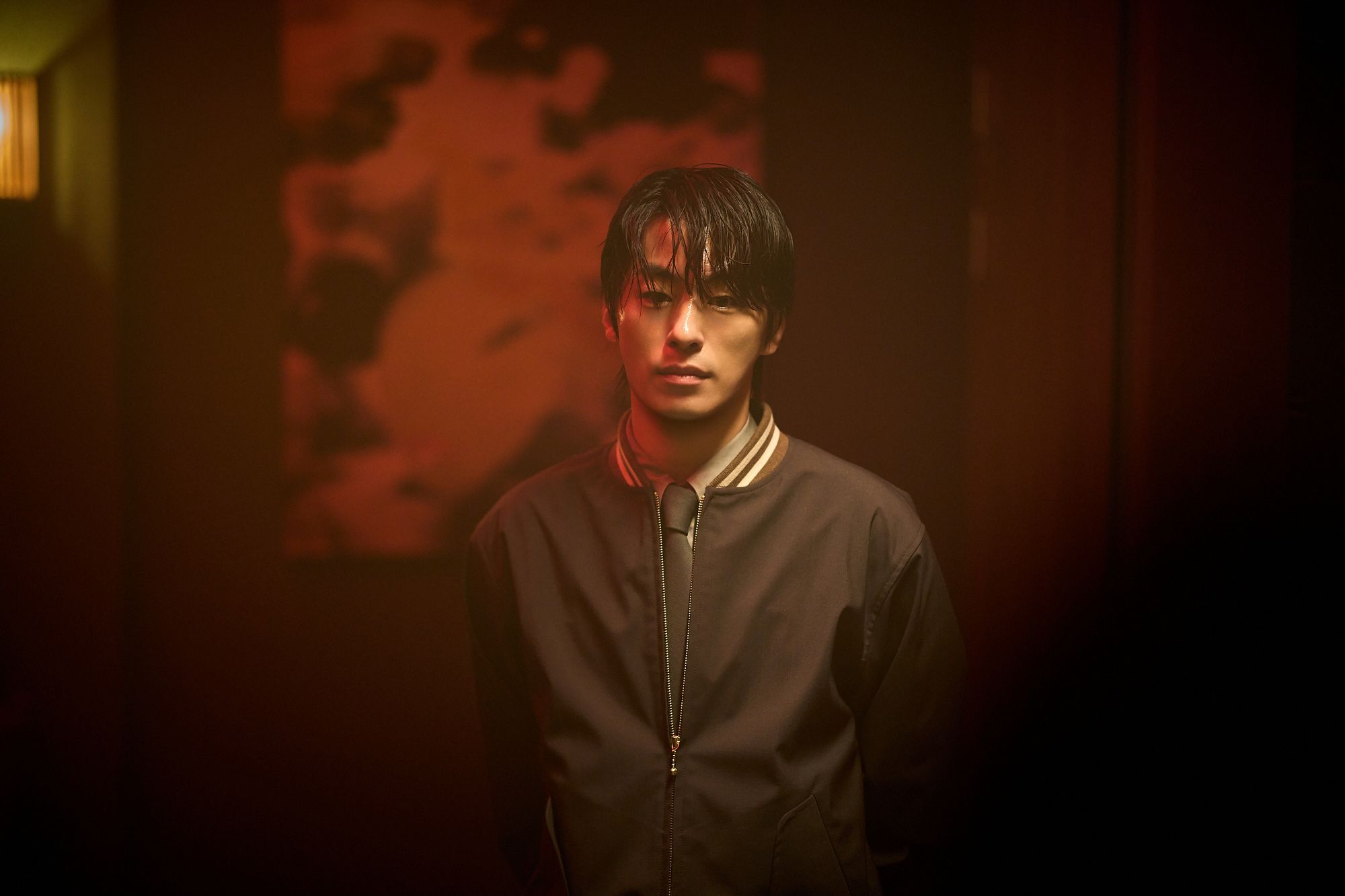

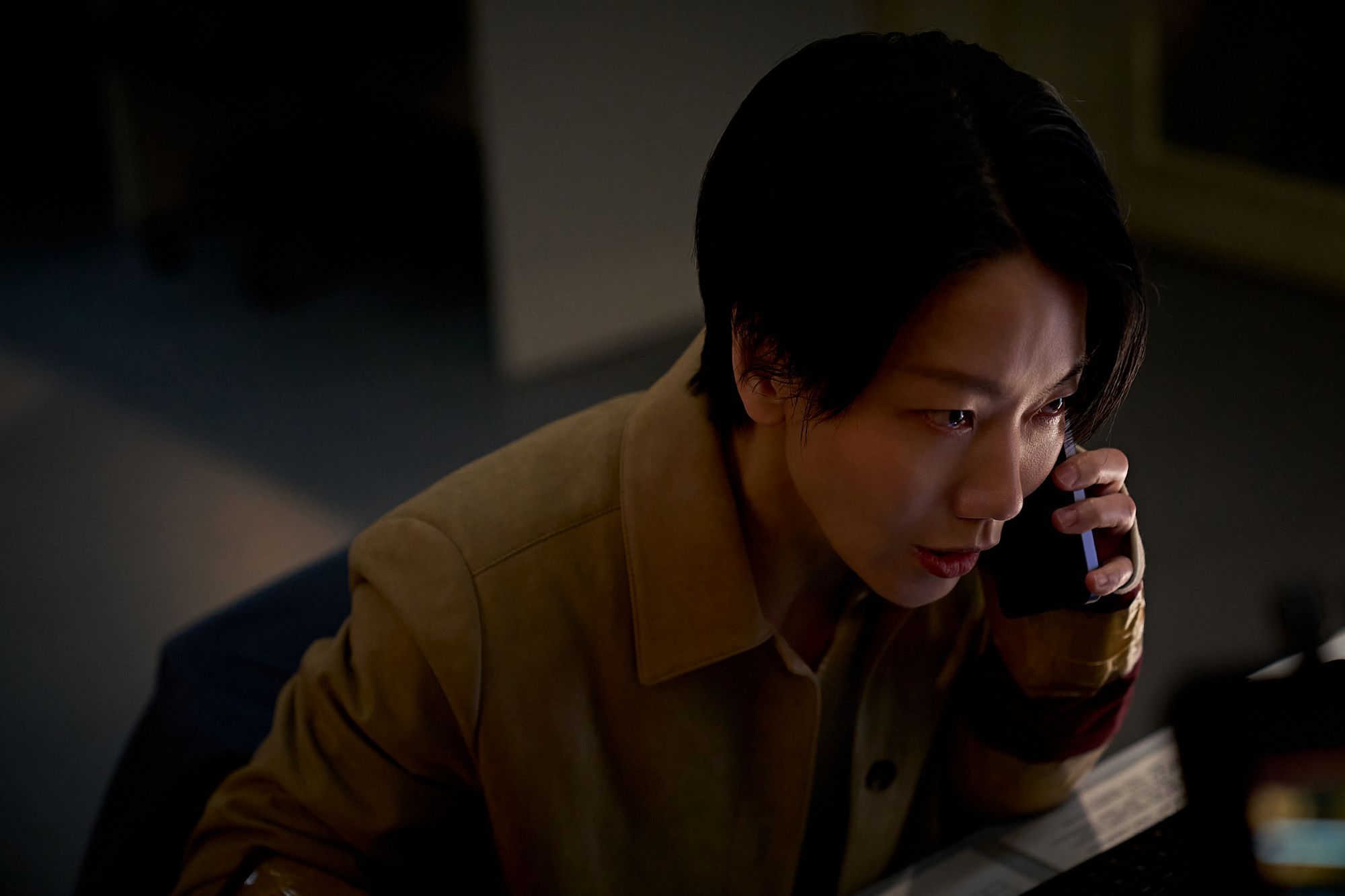
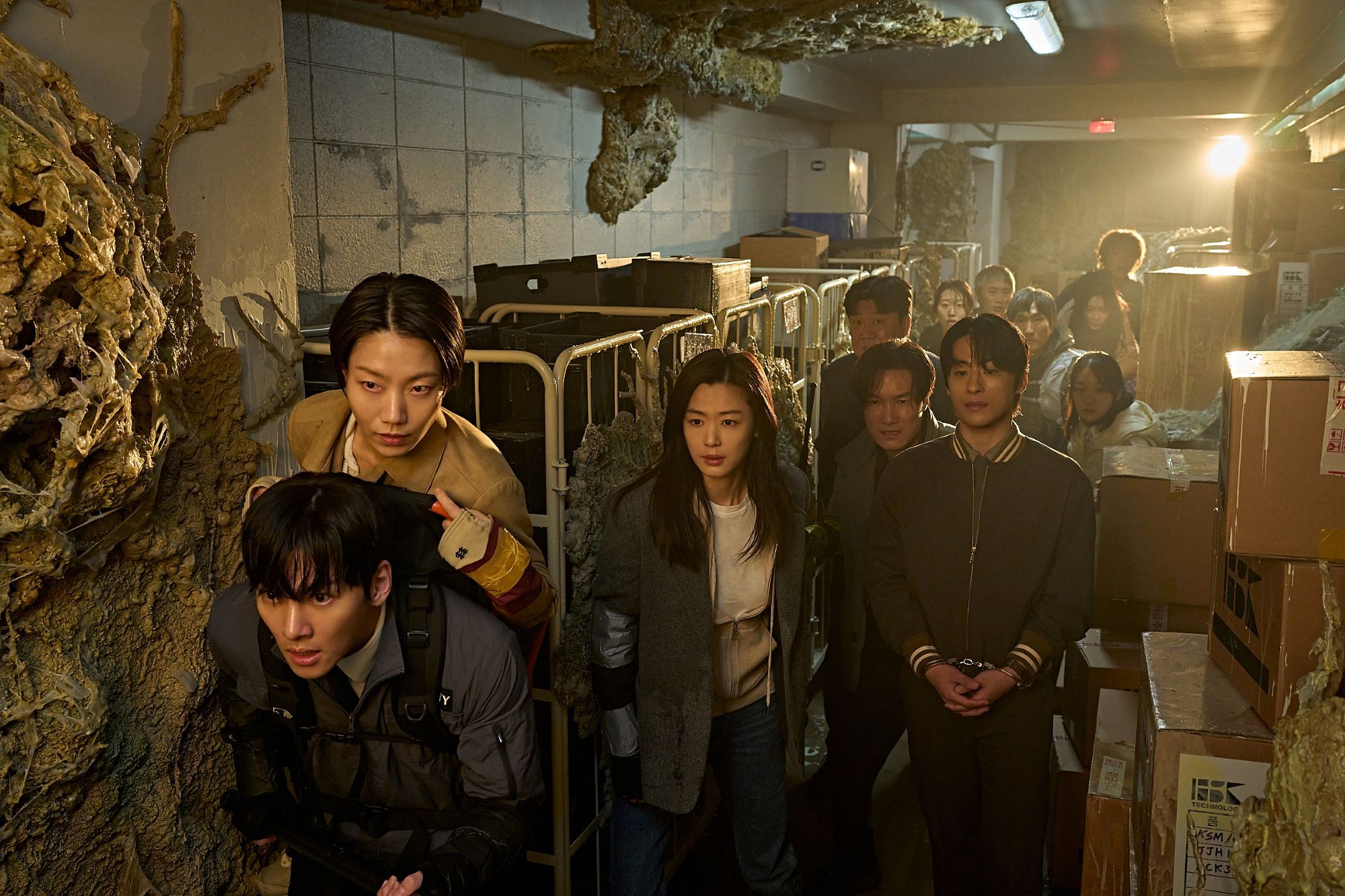
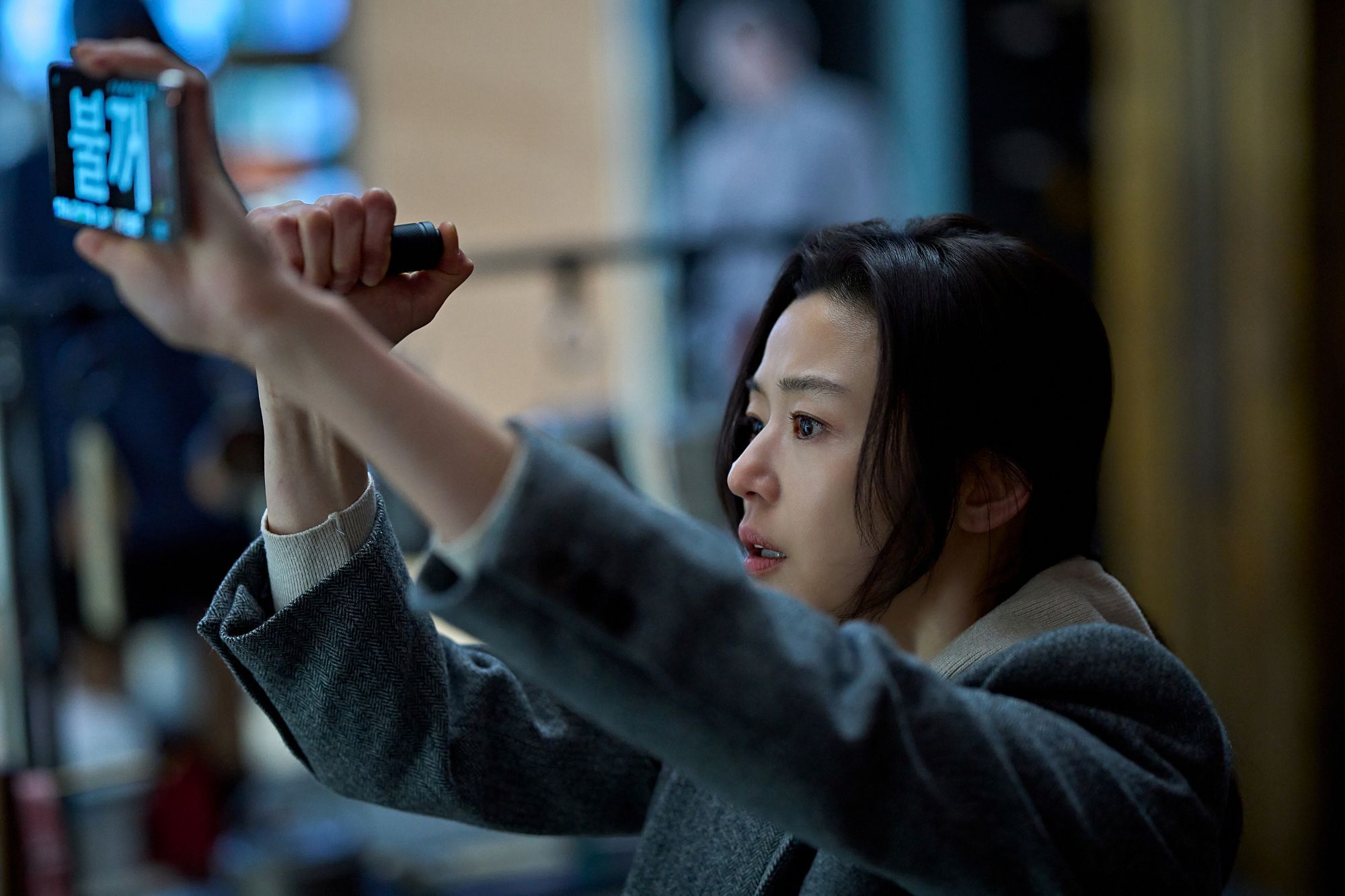
Rather than drawing from one specific game, Yeon says the film takes its cues from the general experience of playing a game whose difficulty keeps rising. He mentioned Road Runner, an older puzzle-style title built around navigating increasingly complicated structures.
That progression appears in the undead. Each time their collective intelligence develops, the characters face what feels like a new game stage, with unfamiliar behaviour and a more dangerous set of rules.
For readers interested in the physical side of arcade gaming, RETROCADE’s arcade videos and arcade blog cover the wider culture surrounding interactive entertainment.


Why The Last of Us was not the direct model

A fungus-based outbreak naturally invites comparisons with The Last of Us. Yeon is familiar with the franchise, considers himself a fan of the game and enjoyed playing its second instalment, but he says it was not a direct influence on Colony.
His closer reference was the 1970s film Invasion of the Body Snatchers. The connection lies in the infected creatures’ collective intelligence and the distinctive gestures they use when they discover a human.
The shopping mall and the Romero connection

George A. Romero’s Dawn of the Dead famously used a shopping mall as a pointed comment on consumerism. Colony shares that setting, but Yeon’s stated interest is the visual and thematic clash between two changing groups.
The zombies begin in a primitive state, then advance through shared intelligence. Humans start as a civilised group but are pushed towards more primitive behaviour by individual wants and selfish decisions. The mall represents human civilisation, while its surfaces become coated in zombie matter, turning the location into an image of that opposition.
Could Colony continue as a game?
Yeon also discussed the possibility that a follow-up might take a different form. Smilegate, one of the film’s co-production companies, is an online game developer known for Crossfire. During production, the filmmakers discussed whether a Colony sequel could become a game from Smilegate, and Yeon said the film includes deliberately game-like elements.
That possibility gives the film’s design an interesting arcade-adjacent angle. Anyone weighing up a home setup can explore RETROCADE’s arcade machine buying guide, browse arcade light guns or consider a compact bartop arcade.


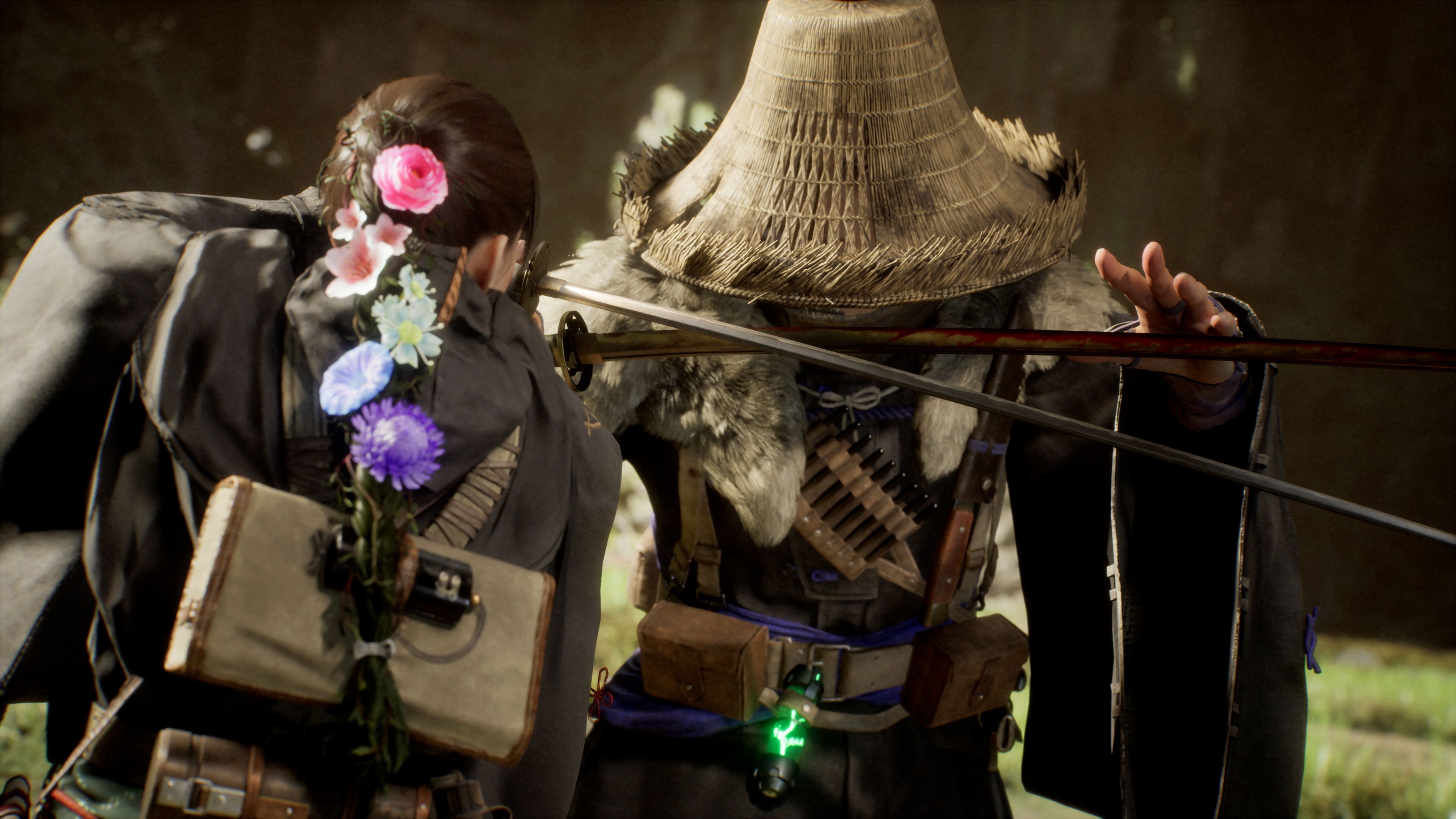
Colony is scheduled to arrive in US cinemas on 28 August.


Leave a Reply