


Classic anime can become personal landmarks. For some viewers, series such as Naruto, Dragon Ball and Pokémon opened the door to anime. Others found Neon Genesis Evangelion or Cowboy Bebop during difficult periods. That history makes fans understandably cautious about remakes, even when older shows have obvious flaws.


Not every acclaimed series needs revisiting. Steins;Gate remains a remarkably complete time-travel story, while Mob Psycho 100 already feels enduring despite being comparatively recent. The five choices below are different: each has a strong foundation, but its existing adaptation leaves important material, themes or potential unrealised.
Like choosing an arcade machine with the right features, a worthwhile remake needs more than a familiar name. It should understand what made the original work while giving the source material room to breathe.
1. Tokyo Ghoul

Sui Ishida’s Tokyo Ghoul is built around expressive artwork, layered symbolism and a carefully developed world. The manga uses its visual language to reveal the unstable psychological states of its characters, but those qualities were not carried consistently into Studio Pierrot’s adaptation.
The first season was followed by the widely criticised Root A, while Tokyo Ghoul: Re also struggled. Rushed pacing and underwhelming animation widened the gap between the show and its source. A new version could adopt an art direction closer to Ishida’s chaotic illustrations and restore the literary references that deepen the narrative.
Kaneki’s transformation into a half-ghoul is only the starting point. The story also examines systemic corruption, inherited hatred and the shifting boundary between human and monster. Its characters are shaped by trauma, so a remake would need the time and care to explore those decisions rather than simply move from one plot point to the next.
2. Soul Eater

Soul Eater is a difficult case because its anime already has an unmistakable identity. Its gothic whimsy, memorable cast and distinctive visual atmosphere remain appealing, while Studio Bones gave the series plenty of personality. The jazz-led soundtrack, with hip-hop influences, added even more character.
The main problem is the narrative. The anime departs substantially from Atsushi Okubo’s manga and finishes with a hurried conclusion that weakens its dramatic payoff. Several motivations are compressed, lore is left out and character development is made to fit an ending that feels anticlimactic.
A faithful remake could follow the same broad lesson demonstrated by the difference between Fullmetal Alchemist (2003) and Fullmetal Alchemist: Brotherhood (2009). Both have worthwhile qualities, but the later series is generally regarded as the definitive version. A new Soul Eater could preserve the original’s tone while giving its story and ending the space they require, potentially directing new fans back to the beloved first adaptation.
3. Claymore

Norihiro Yagi’s Claymore combines medieval dark fantasy with tactical battles, psychological pressure and a large cast of complex female warriors. Humans live under threat from shape-shifting humanoids called Yoma. In response, the Organisation creates human-Yoma hybrids capable of fighting them. These engineered warriors, known as Claymores, are ranked by skill, ability and leadership.
Madhouse’s 26-episode anime adapts only the opening 11 volumes of the manga before taking an original route to a non-canon ending. As a result, anime-only viewers never reach major later material, including the Northern Campaign and the final confrontation. Both arcs offer enormous opportunities for high-impact animation.
A remake could also make better use of the series’ unsettling creature designs and survival-focused tension. With a complete story to draw from, it could present Claymore as more than a grim action series: it is a story about identity, sacrifice and the limits of monstrosity.
4. Deadman Wonderland
Deadman Wonderland is another adaptation that stops before its story can properly develop. Its 12 episodes rush through an incomplete version of the manga, leaving the central mystery and many character arcs without the necessary room.
The setting follows a catastrophic earthquake that devastates much of Japan, destroys most of Tokyo and leaves parts of the city submerged. Ganta Igarashi, a teenager who has no memories of surviving the disaster, sees his life collapse when a blood-covered figure murders his entire class and leaves him alive. He is convicted and sent to Deadman Wonderland, a prison that also operates as a theme park.
A new adaptation could balance the series’ brutal body horror with its emotional stakes. Some prisoners possess the Branch of Sin, an ability that allows them to turn their own blood into weapons, creating a combat system suited to energetic animation. More importantly, Ganta’s attempt to prove his innocence could become a sustained examination of guilt, survival and the bonds formed inside an uncompromising prison.
5. Berserk
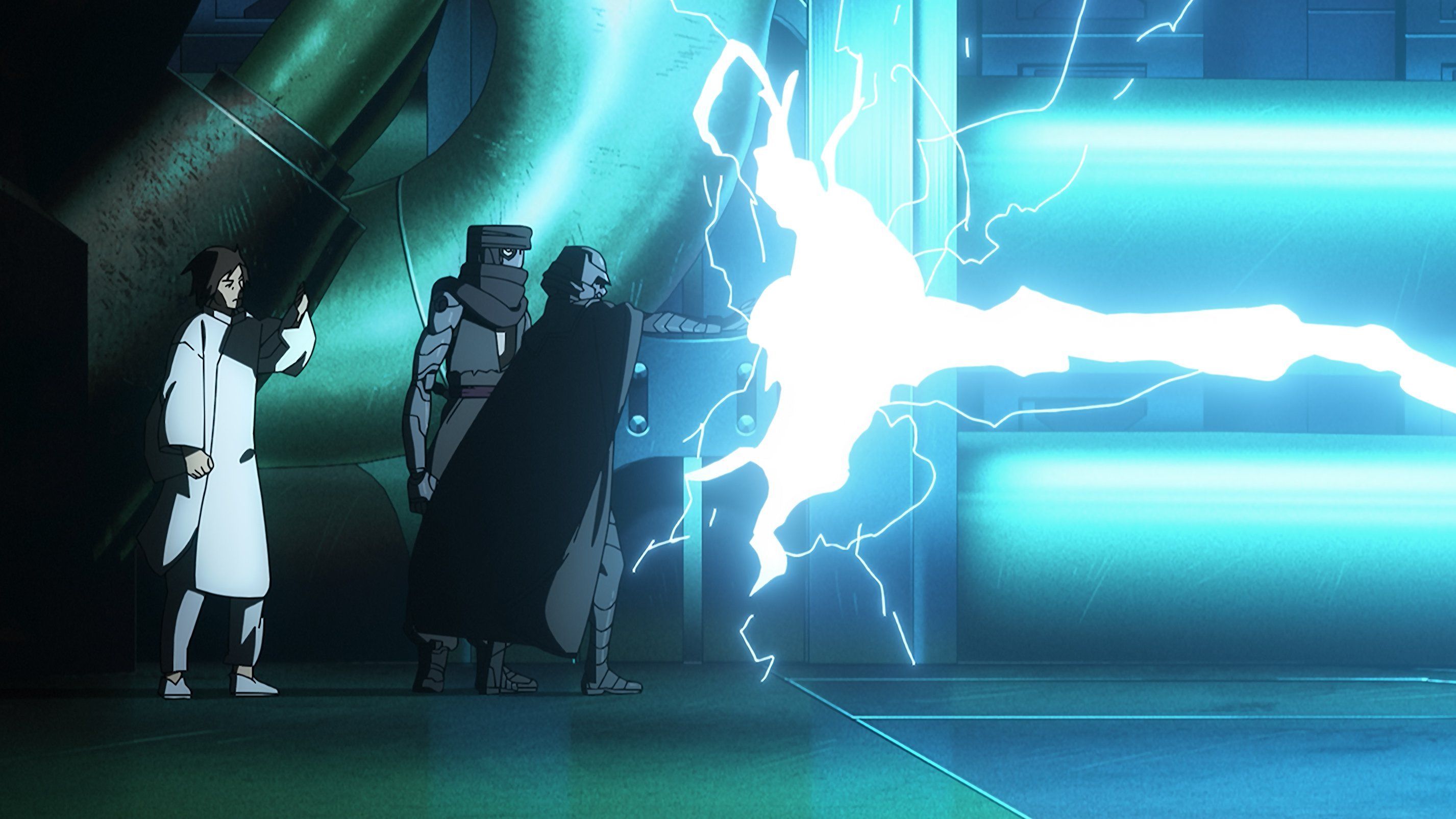
Kentaro Miura’s Berserk has received several adaptations, but none has delivered the entire scope of the manga. The 1997 series remains respected for its atmosphere and storytelling, although it skips significant arcs and ends abruptly. The Berserk: The Golden Age Arc film trilogy captures an important part of the story, but the Golden Age is only one section of a much larger narrative. The 2016 series, meanwhile, was heavily criticised for its animation, sound design and character writing.
Large portions of the manga remain unadapted, and the existing versions do not fully reproduce the detail of Miura’s hand-drawn panels. A new production would need to approach the material carefully, particularly while the manga remains ongoing. The world’s cruelty is not simply decoration: trauma repeatedly determines the paths taken by its inhabitants.
Guts and Griffith require nuanced treatment, but the supporting cast is equally important to the series’ mixture of beauty and horror. An adaptation that respects those relationships and translates the visceral bleakness of Miura’s artwork could establish itself as a modern anime classic.
What a successful remake would need
These series do not need remakes merely because they are old. They need them because their adaptations either diverged from their source material, ended too early or failed to convey the ideas that made the manga distinctive. The best approach would combine patience, strong visual direction and respect for the original stories.
For enthusiasts building an anime-inspired games room, the broader lesson is familiar: presentation matters, but substance matters too. Whether you are comparing full-size arcade cabinets, a compact bartop arcade or planning a custom project with DIY arcade kits, the strongest result comes from matching the format to the experience you want to preserve.


Leave a Reply