


Blood Dungeon takes the familiar bullet-heaven formula and gives it a frantic platforming twist. Your character can cling to floors, walls and ceilings, turning every dungeon run into a fast-moving puzzle of positioning, escape routes and survival.
That added movement makes it feel more demanding than a typical Vampire Survivors-like. You cannot simply stand back while a carefully assembled build handles the screen. Enemies press in from every direction, and success depends as much on reading the maze as it does on choosing powerful upgrades.
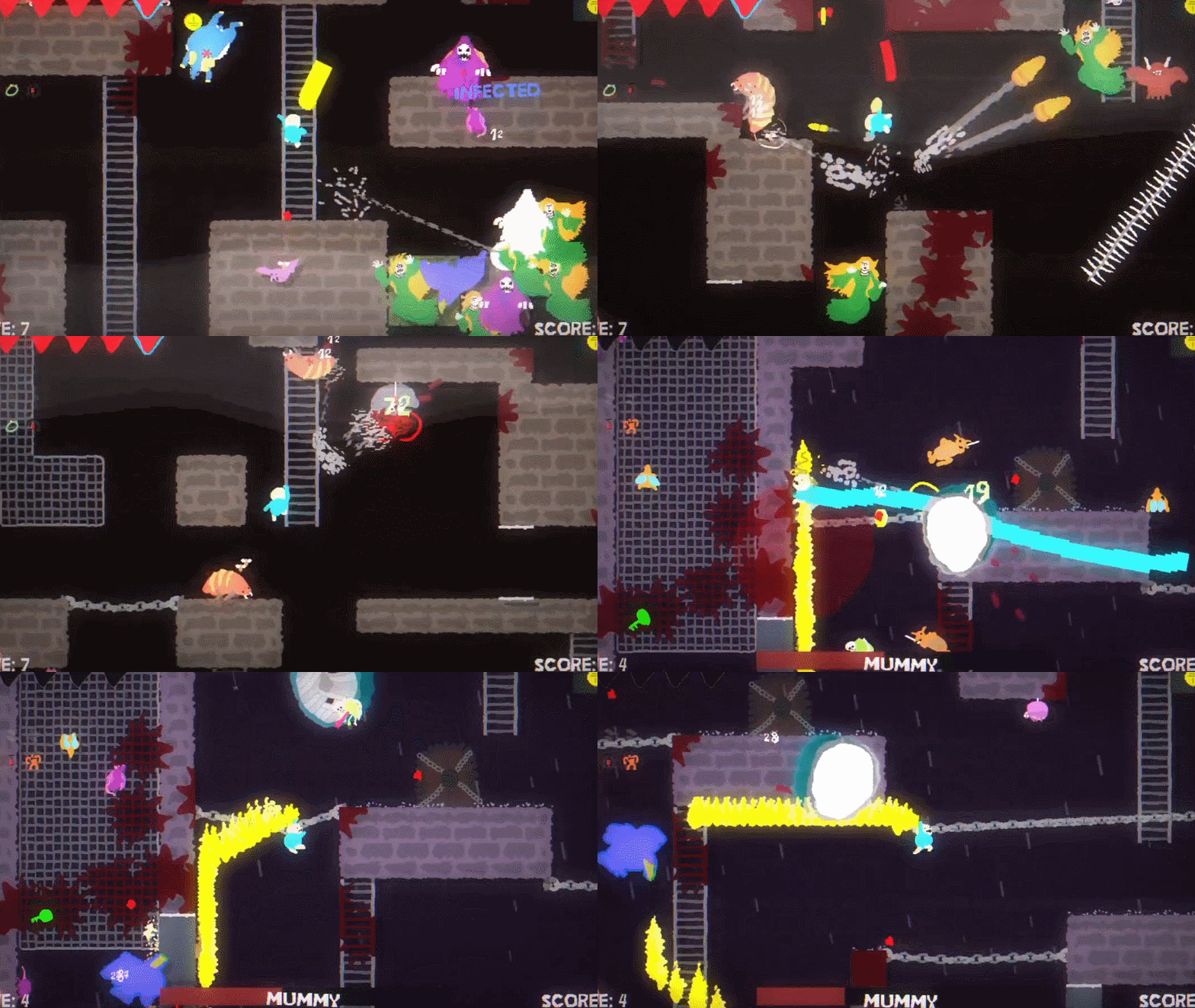
A dungeon crawler with a difference
Created by Messhof, the designer known for Nidhogg, Fly Wrench and Wheel World, Blood Dungeon offers nine unlockable characters, six unlockable dungeons, more than 100 auto-firing upgrades, over 100 enemy types and more than 100 quests.
Each run places you in a themed arena. One location takes the action underwater, while another is an apparently endless well. The layout, enemy encounters and positions of selected upgrades are randomised, so familiar areas can still produce unexpected problems.
Movement is the defining feature. Rather than jumping between platforms, you crawl across surfaces and cling to them like a caterpillar. That freedom is useful, but it also creates more decisions: which wall offers a safe route, where can you turn around, and which passage leaves an escape route when the screen becomes crowded?
Builds made for movement
Defeated enemies leave behind blood that can be collected to earn upgrades. These include straightforward weapons such as a laser beam or a sword that circles your character, while rarer charms can freeze enemies or turn them into zombies.
As deaths unlock more options, the possible builds become increasingly unusual. Basketball weapons rebound between walls, while spiderweb guns fire webs that can be used to climb through open air. The best choices are not only about increasing durability or damage; they must also help you cross maze-like spaces and avoid the growing enemy waves.
That combination gives each upgrade a practical purpose. A weapon that looks powerful in an open area may be less useful in a cramped route, while a tool that changes your movement can completely alter how you approach a dungeon.
Lo-fi style, eccentric characters
Blood Dungeon uses the rough, doodle-like visual style associated with Mark Essen’s earlier solo work, including Nidhogg. Its cast and enemies balance silliness with deliberately strange design. One playable character is nude with censor bars and travels exclusively by cartwheeling, while a machine-gun icon is an unmistakably crude visual joke.
A giant worm boss also recalls Nidhogg. Thomas Hoey, who composed the music for Wheel World as well, gives each dungeon its own trance-infused soundtrack. The presentation is scrappy and irreverent, but it has a clear identity.
More than an upgrade treadmill
The appeal of the broader survivors-style genre often comes from the promise that one more run will deliver the upgrade needed to fix everything. Blood Dungeon keeps that compelling loop, then adds a stronger layer of direct control.
Its design combines bullet-heaven progression with the randomised discovery of a dungeon crawler and the hazards of a classic 2D platform maze. The result gives you more to do than simply assemble an efficient build and watch it work.
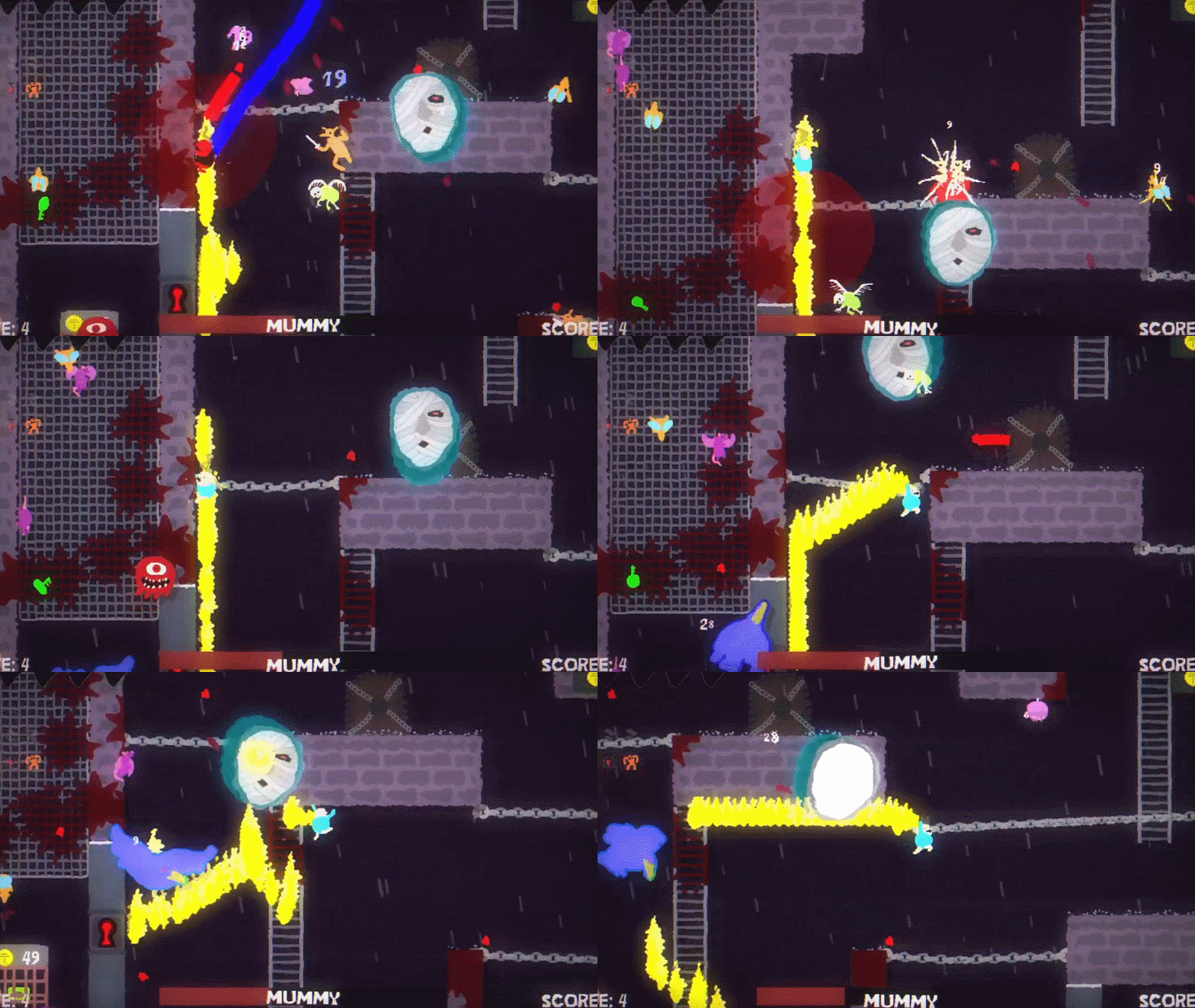
The game also rewards careful exploration. Its constantly scrolling arenas evoke the discovery and unlock-hunting of Spelunky, while the maze structure has a touch of Pac-Man. Staying still is dangerous, a poor turn can leave you cornered, and the safest route is rarely obvious on a first attempt.
After several runs, you begin to remember the broad shape of each arena. That knowledge matters when the pressure rises: you can choose a tunnel quickly, anticipate a dead end and keep alternative exits in mind before the enemy crowd closes in.
Why it works as an arcade-style experience
The long-term hook is not limited to unlocking secrets or improving a favourite weapon. Combining the laser beam three times, for example, can turn it into a screen-clearing weapon capable of opening a path through the chaos.
More importantly, repeated play makes the player sharper. The dungeon layouts become more familiar, movement decisions become faster and each failure teaches something useful. That sense of mastery gives Blood Dungeon the feel of an arcade game built for repeated attempts rather than passive progression.
For readers interested in arcade design and replayable action, the game’s compact controls and escalating challenge make it a natural subject for the RETROCADE Arcade Blog. It also highlights why a well-designed arcade machine buying guide should consider more than screen size and game count: movement, readability and the quality of the repeat-play loop matter too.
Only five hours into playing, the experience already feels like the sort of arcade machine challenge that could occupy an entire week. It offers the immediate satisfaction of a survivors-style game, but asks you to learn its spaces and improve your decisions rather than relying on luck alone.


Leave a Reply