



Big Walk turns cooperation into an emotional finale
At first glance, Big Walk appears to be a relaxed co-operative adventure about wandering across an island, solving puzzles and making your own stories with friends. Its final sequence, however, transforms that loose structure into something unexpectedly moving. Spoilers for the ending follow.

From island puzzles to a mysterious tower
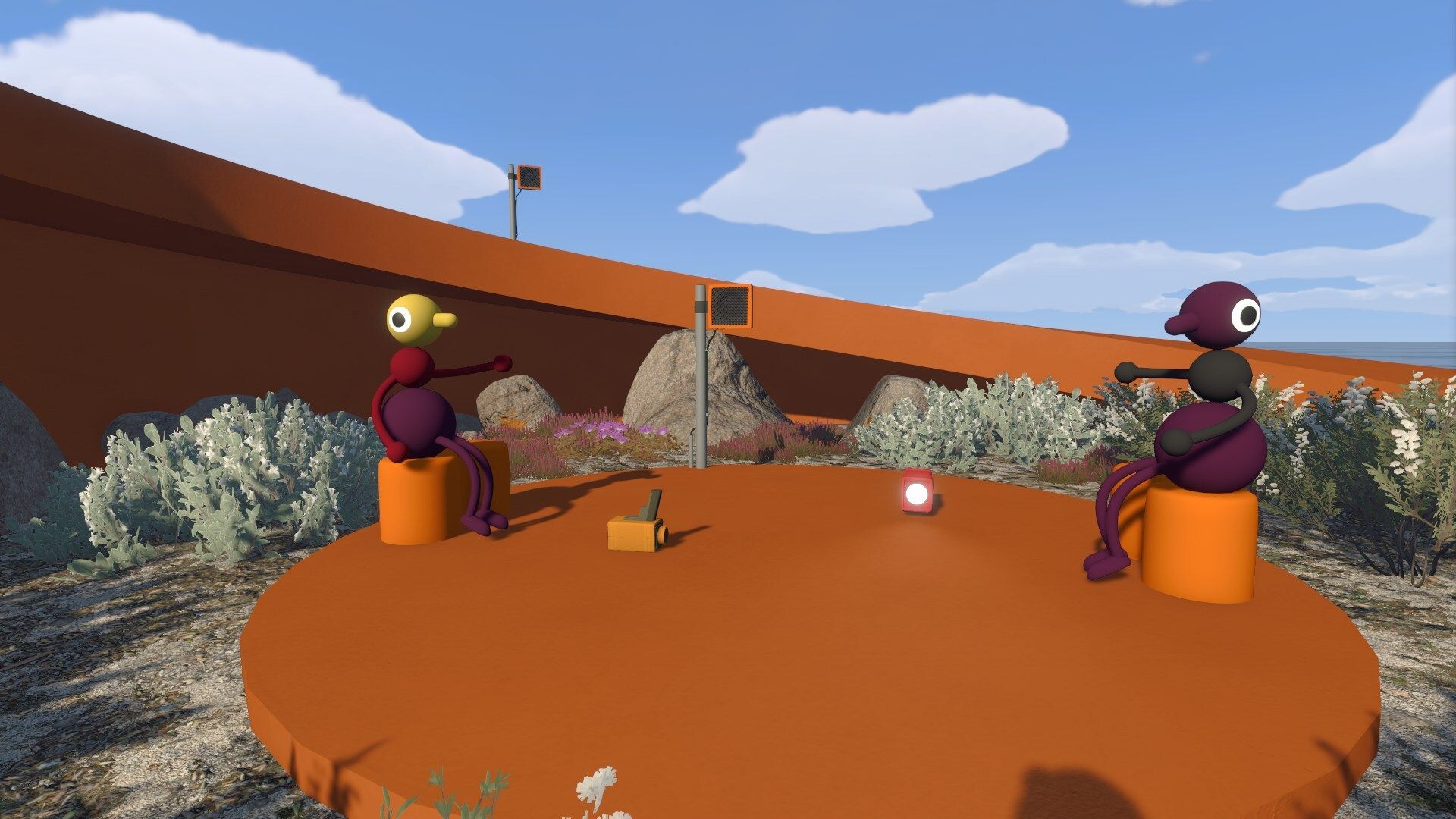
The island contains several towers, each protecting a key behind a mechanism. Players earn red gourds by completing puzzles, then place them into the towers’ receptacles to release those keys. Once every tower is complete, a huge gate opens, revealing the next stage of the journey.

The earlier challenges quietly prepare players for what comes next. Progress depends on communicating with teammates, but the game repeatedly interferes with ordinary conversation. Soundproof barriers can separate players, forcing them to invent new signals. Because character movement is limited, waving, squatting and other gestures become an important language. Walkie-talkies and laser pointers can help, but the central challenge remains collaborative problem-solving.

The final test is built on trust
After passing through the gate and approaching an orb, the group is transported into a strange tower filled with puzzles. This time, the usual tools for communication disappear. Players cannot hear one another, and the colours that normally distinguish each character have been removed.
What could have been frustrating instead becomes a test of everything the group has learned. Familiar gestures start to carry meaning. A particular wave can signal a misunderstanding, while raised arms can confirm that a message was understood. Players can even identify one another by movement alone.
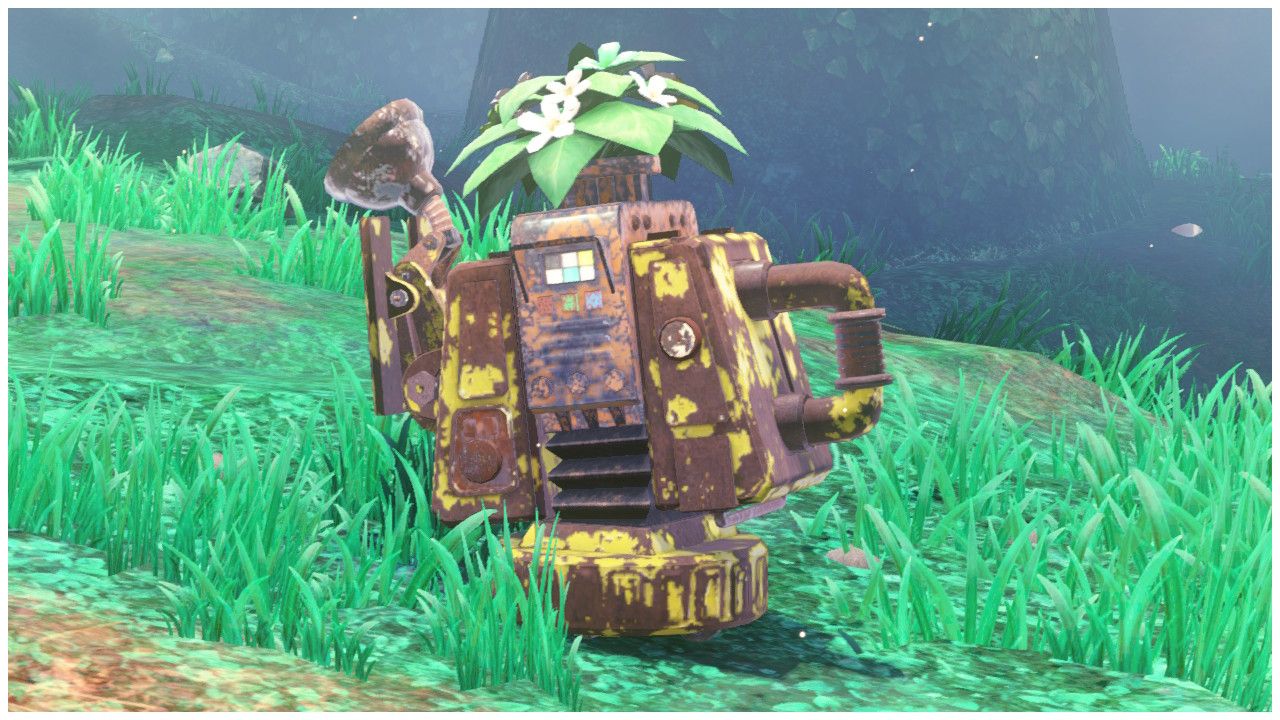
Small private jokes become part of that silent communication. During one playthrough, a teapot became a running joke and was carried through the tower. The player’s teammates recognised who was holding it because that person had already spent much of the game refusing to abandon a laser pointer. The object became an unmistakable signature.
A reunion before the goodbye
Once the tower’s puzzles are solved, normality returns. The colours come back and voices can be heard again. Outside, a couch and projector provide a place to watch the closing credits. After the intensity of the silent tower, the group naturally gathers there to celebrate, compare what happened and explain how everyone had been recognised.

That reunion is brief. The last puzzle places the team before a turnstile that cannot be crossed together. A mechanism displays three colours matching the coloured body parts of one teammate, indicating who may pass. One by one, the players walk through into a white light, moving beyond proximity chat until each person has disappeared. The final player is left alone with a message thanking them for playing.
Friendship is written into the game’s design
The sequence works because the game has spent hours building shared habits. Friends solve problems together, experiment with gestures, wander between objectives and create memorable jokes along the way. The ending then asks players to rely on those relationships before giving them a quiet moment to consider what they have experienced.
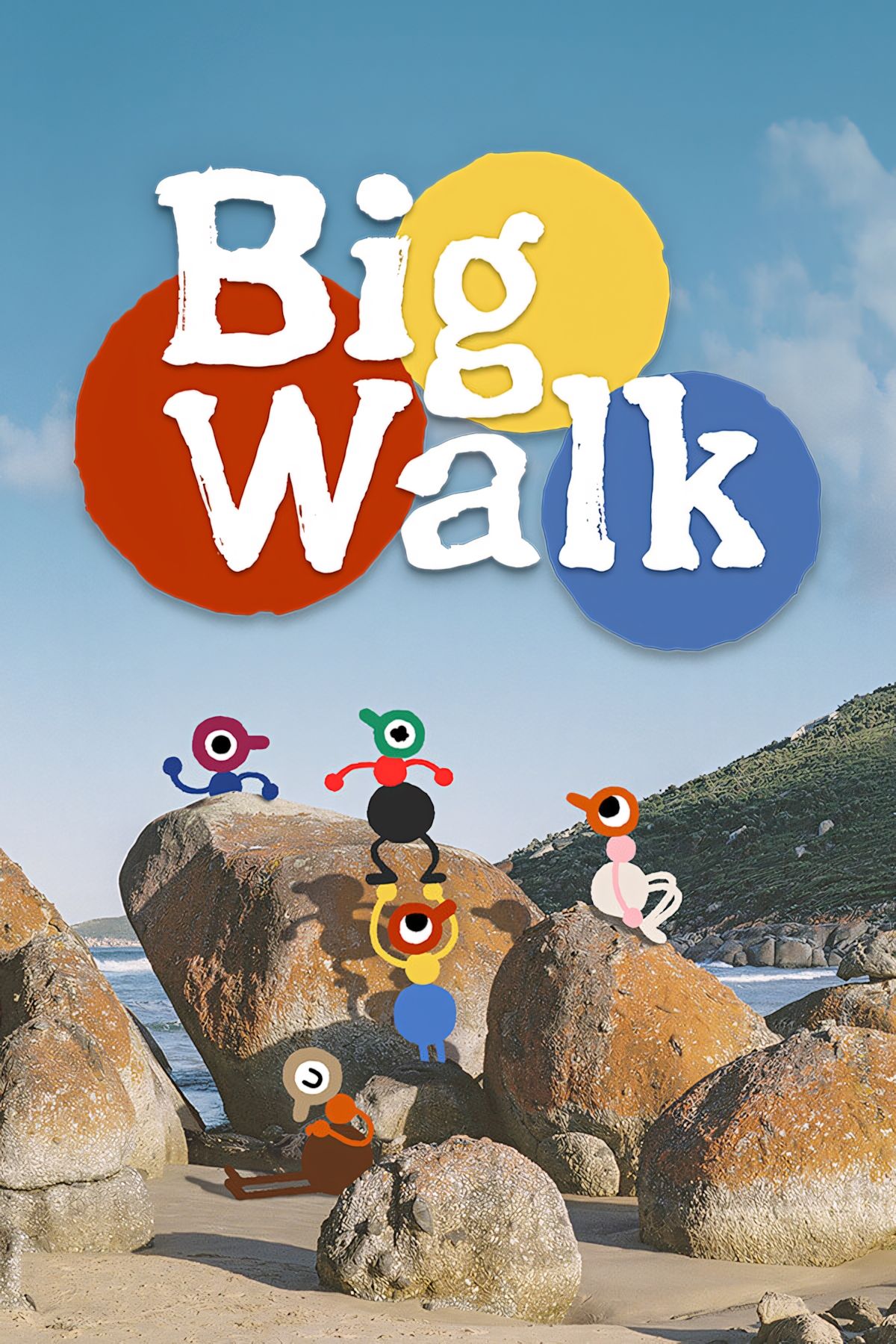
Big Walk also makes friendship part of each character’s identity. Players cannot customise their own character independently; teammates paint the character’s body segments for them. Those chosen colours later appear on the turnstile, determining when that player should leave. In the final moments, each person is represented by an identity their friends helped create.
Why the ending lands so effectively
The conclusion is not powerful because it explains a complicated plot. It works because it turns co-operative play itself into the story. The hours spent learning how friends move, signal and joke together become essential when speech and colour are taken away. The final separation gives those shared memories weight, connecting a playful multiplayer adventure with the familiar sadness of growing apart from people who shaped your life.
For players who enjoy games that make communication central, the experience is a useful reminder that co-op design can create emotion without relying on lengthy dialogue or conventional cinematic drama. It is a carefully structured payoff built from the way real people play together.
For more stories about games and the culture around them, explore the RETROCADE Arcade Blog and browse our arcade videos. If you are planning a dedicated gaming space, our arcade machine buying guide can help you compare options, from full arcade machines to compact bartop arcades.


Leave a Reply