

Asobo Studio is preparing to release Resonance: A Plague Tale Legacy, its most ambitious project so far. The French developer is moving into modern action with a AA-scale production, following the stealth-focused A Plague Tale: Requiem, which received five nominations at The Game Awards, including Game of the Year.
That success can make Asobo look like a recent breakthrough studio. In reality, the developer has been working since 2002 and spent years creating licensed games, support work and childhood favourites before becoming known for its grim medieval adventures.

From Super Farm to licensed games
Asobo was founded by developers who emerged from the collapse of Kalisto Entertainment. Its first release, Super Farm, was a co-operative game about male animals attempting to rescue a farm’s only female chicken from a meat factory. The concept is an especially strange snapshot of its era.
The studio then tried its hand at a more mature third-person shooter with Special Forces: Nemesis Strike. It was met with poor reviews and has largely disappeared from gaming conversation.
Asobo found a steadier path during the boom in licensed games. Over several years it developed titles based on Sitting Ducks, The Mummy: The Animated Series and Garfield: A Tale of Two Cities. None became major critical successes, but the work helped the studio earn opportunities with larger properties.

Asobo’s Pixar years
Between 2007 and 2012, Asobo became a regular developer and co-developer on games connected to Pixar films. Its credits included Ratatouille, WALL-E, Up and Toy Story 3. Atari is scheduled to rerelease the last of those titles later in 2026.

Among those projects, Ratatouille stands out as an unexpectedly polished example of a movie tie-in. A second-hand copy bought at the Long Island Gaming Expo even came with an expired cinema ticket, an amusing reminder of how these games were marketed.
The game also attracted renewed attention after a video highlighted the remarkable opening level. Its presentation can be viewed in this video about it.

Why Ratatouille mattered
Looking back, Ratatouille contains several elements that later became central to Asobo’s identity. The game works within a cinematic framework, supported by a Hollywood voice cast that includes Patton Oswalt and Ian Holm reprising their film roles.
Its writing is straightforward, but the performances maintain a clear connection with the film. Cutscene composition and environmental design also show a developer learning how to translate cinematic material into an interactive setting.
Most striking is Remy’s animation. For a rodent protagonist in a PlayStation 2-era licensed game, he is unusually expressive and carefully realised. The effort was recognised when Ratatouille won the Annie Award for Best Animated Video Game in 2007.

The road to A Plague Tale
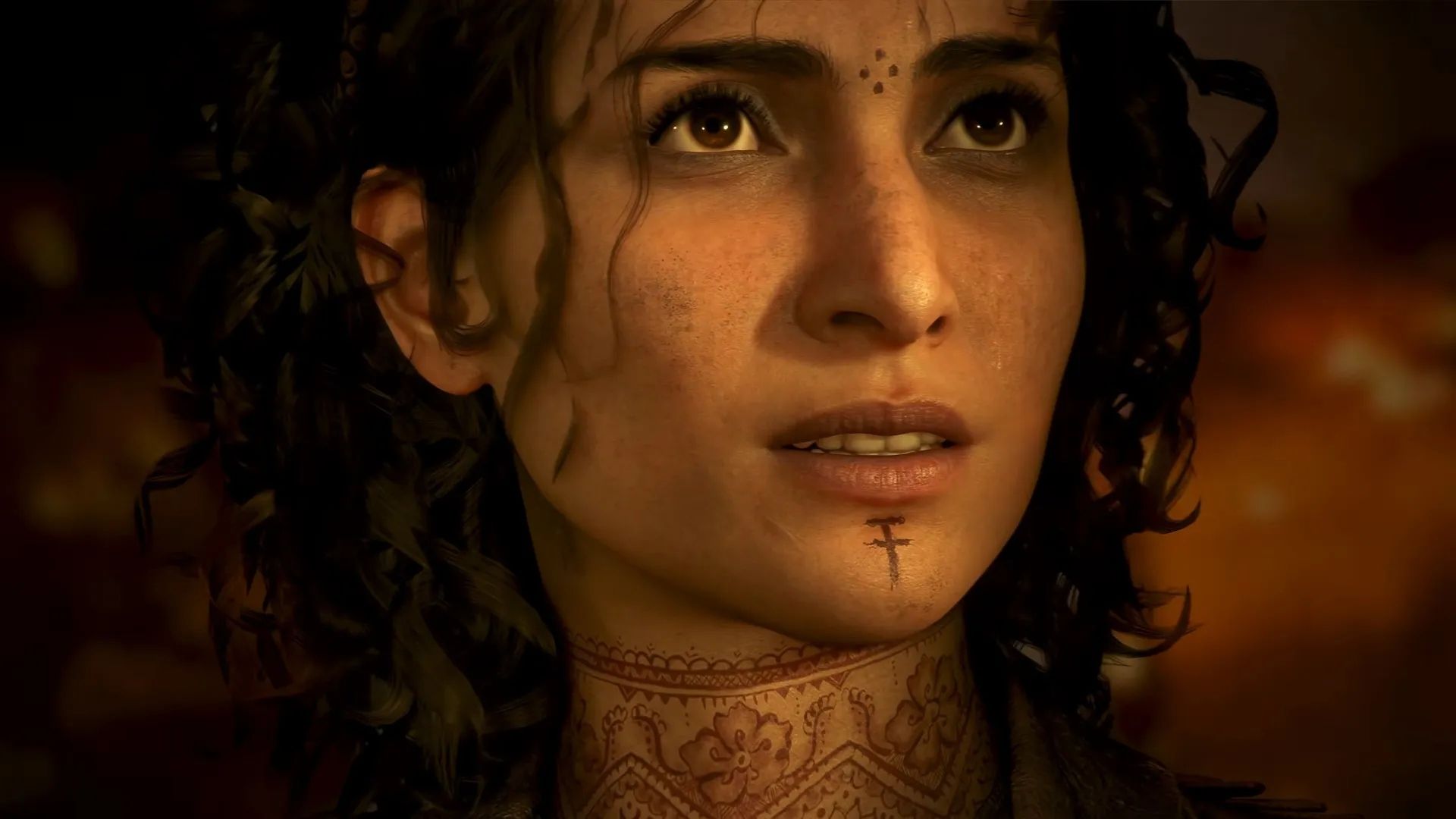
Before releasing A Plague Tale: Innocence in 2019, Asobo worked across a broad range of projects. It supported Remedy Entertainment on Quantum Break, contributing to animation, lighting, visual effects and other areas.
The studio also expanded its technical and production experience through work on Fuel, ReCore and The Crew 2. Those projects helped build the versatile skill set needed for a cinematic, narrative-led adventure.
In that context, A Plague Tale: Innocence feels less like an overnight transformation and more like the result of years spent developing craft across different genres and budgets. The progress continued with A Plague Tale: Requiem, which was nominated in five categories at The Game Awards in 2022. It did not win, facing competition from Elden Ring and God of War Ragnarok.
What licensed games gave developers
Asobo’s history reflects the practical role licensed games once played in the industry. Movie tie-ins could reach large audiences, giving developers a chance to refine their tools and production methods while working on commercially recognisable properties.
Treyarch followed a similar route before becoming closely associated with Call of Duty, developing games based on Sam Raimi’s Spider-Man trilogy and Minority Report.
That pathway is far less common today. Licensed projects have become expensive, high-profile productions, leaving newer studios with fewer mid-sized opportunities to experiment, learn and gradually move towards original work.
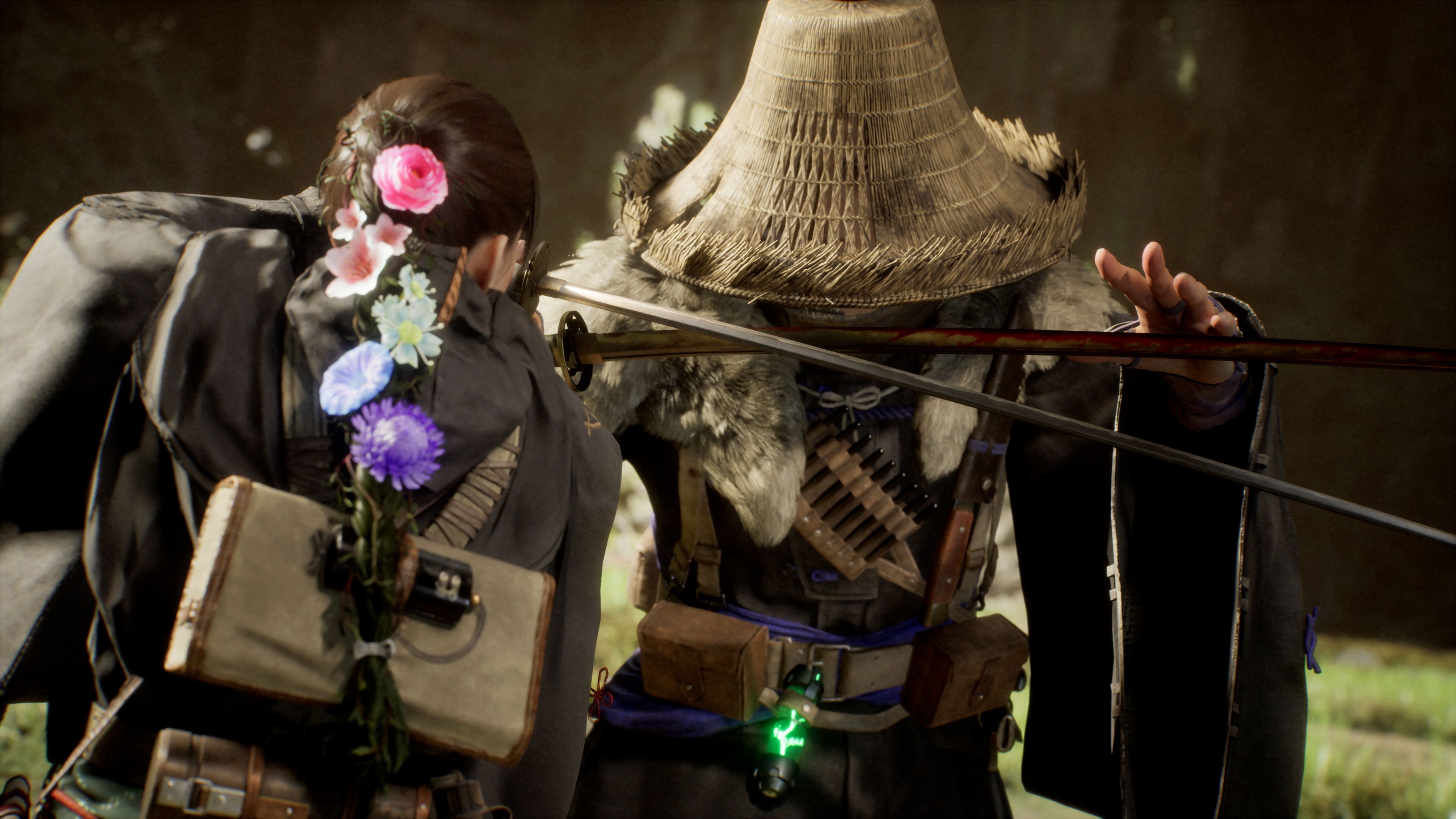
When Resonance: A Plague Tale Legacy arrives on August 27, Asobo’s long development history will be part of the story. The studio’s animated rats may now be associated with horror and survival, but some of that expertise was sharpened years earlier by a very different kind of rodent adventure.
Explore more arcade and gaming features
For more stories about games and the arcade industry, visit the RETROCADE Arcade Blog and browse the latest arcade videos. If this history has you considering a home setup, the arcade machine buying guide can help you compare the options.


Leave a Reply