


Two distinctive indie video games are being transformed into tabletop experiences: Party House from UFO 50 will become a deck-building game, while the rule-changing puzzle game Baba Is You is becoming a competitive board game.
Party House becomes a multiplayer deck-builder
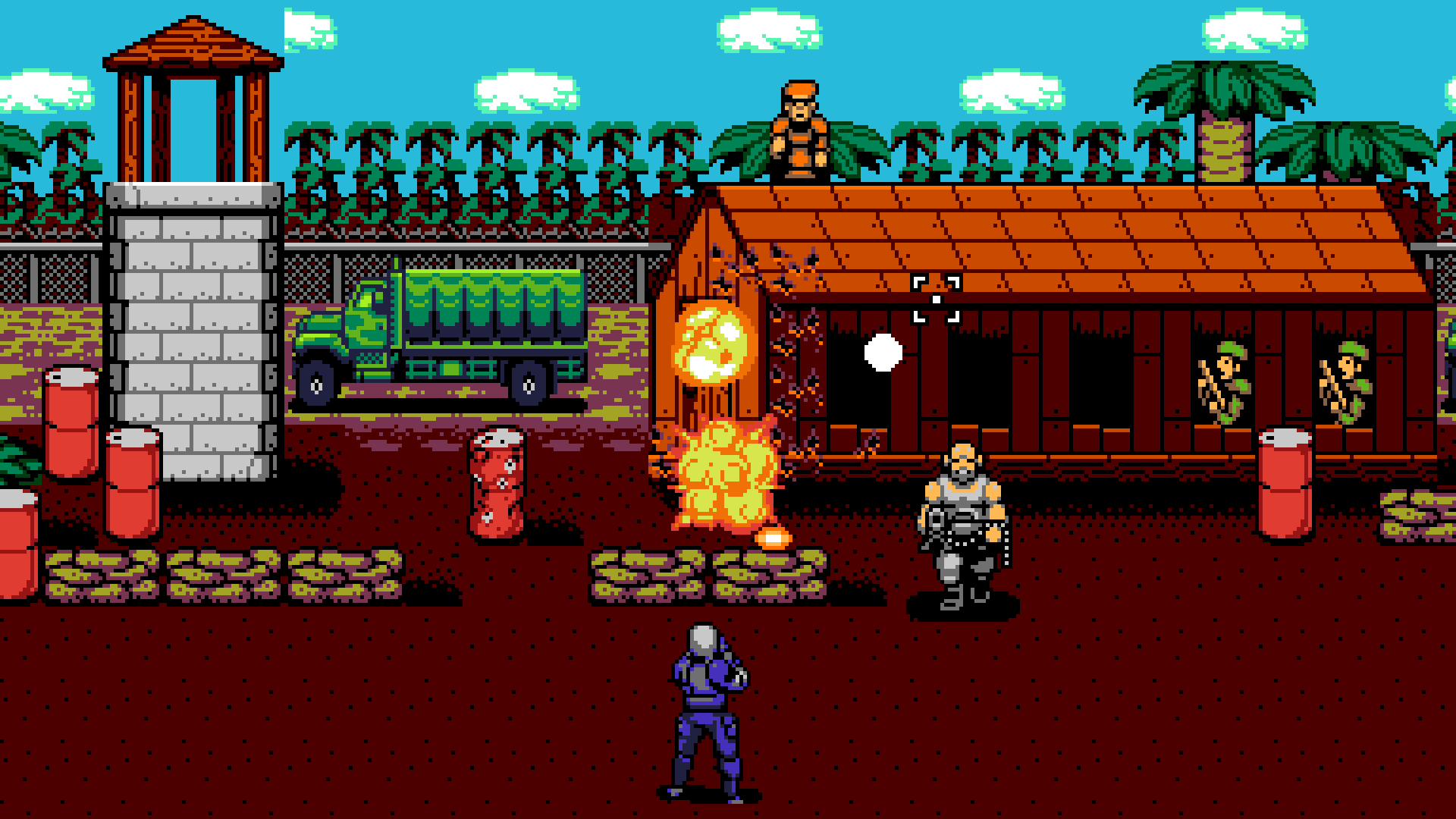
In Party House, players organise parties and try to attract VIP guests without drawing the attention of the police or fire department. The challenge is to invite enough guests to build popularity and earn money, while avoiding a disastrous bust.
Guest appearances involve some randomness, but players can spend their earnings between parties. A shop allows them to expand the house or acquire new guests for their roster, creating more options for future events.
Party House: The Deckbuilding Game adapts that idea for up to four players. It combines money and popularity into one currency, then replaces house capacity and the busting limit with a single measure called “Trouble”. Once a player exceeds seven Trouble during a party, they move on to the shopping phase.
Baba Is You takes its rules to the table
Baba Is You: The Board Game carries the video game’s central rule manipulation into a competitive tabletop format. Its objective is to connect an “Is You” descriptor with an “Is Win” descriptor, turning the familiar logic of the puzzle into a contest between players.
Neither adaptation is an obvious choice for a video-game-to-board-game conversion, yet both concepts translate naturally. Party House already revolves around resource management and escalating risk, while Baba Is You is built around changing the rules that govern each challenge.
The original creators are involved
UFO 50 and Party House developer Jon Perry designed Party House: The Deckbuilding Game. Hempuli Oy, the designer of Baba Is You, also contributed to its board-game adaptation alongside Peter C. Hayward of That Time You Killed Me. Bitewing Games is publishing the project.
The Kickstarter campaign for both games is scheduled to begin on 15 September.
Two unusual adaptations for tabletop players
These projects show how indie games with sharply defined systems can move beyond screens without abandoning their core ideas. For more coverage of unusual game news, visit the RETROCADE arcade blog, or explore the wider range of arcade machines and compact bartop arcades.


Leave a Reply