


Spoiler warning: This article discusses major character developments and the ending of Attack on Titan.
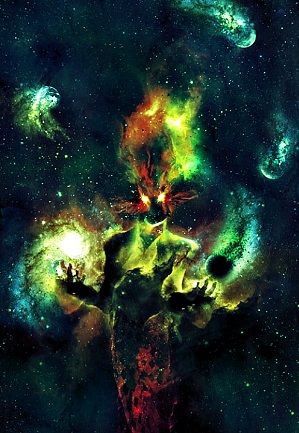
Eren Yeager never fits the usual mould of the wide-eyed shonen hero. From his first appearance, he is angry, stubborn and unwilling to accept a life defined by fear. While heroes such as Goku and Naruto pursue recognition or personal achievement, Eren is driven by a more destructive need: to break the system that has made freedom seem impossible.

That is why his most famous declaration becomes so unsettling with hindsight: “If you lose, you die. If you win, you live. If you don’t fight, you can’t win!” At first, it sounds like a classic anime battle cry. It suggests courage, survival and the refusal to surrender. As the story develops, however, the line reveals itself as the first expression of a worldview that will eventually become terrifying.
A childhood lesson in survival
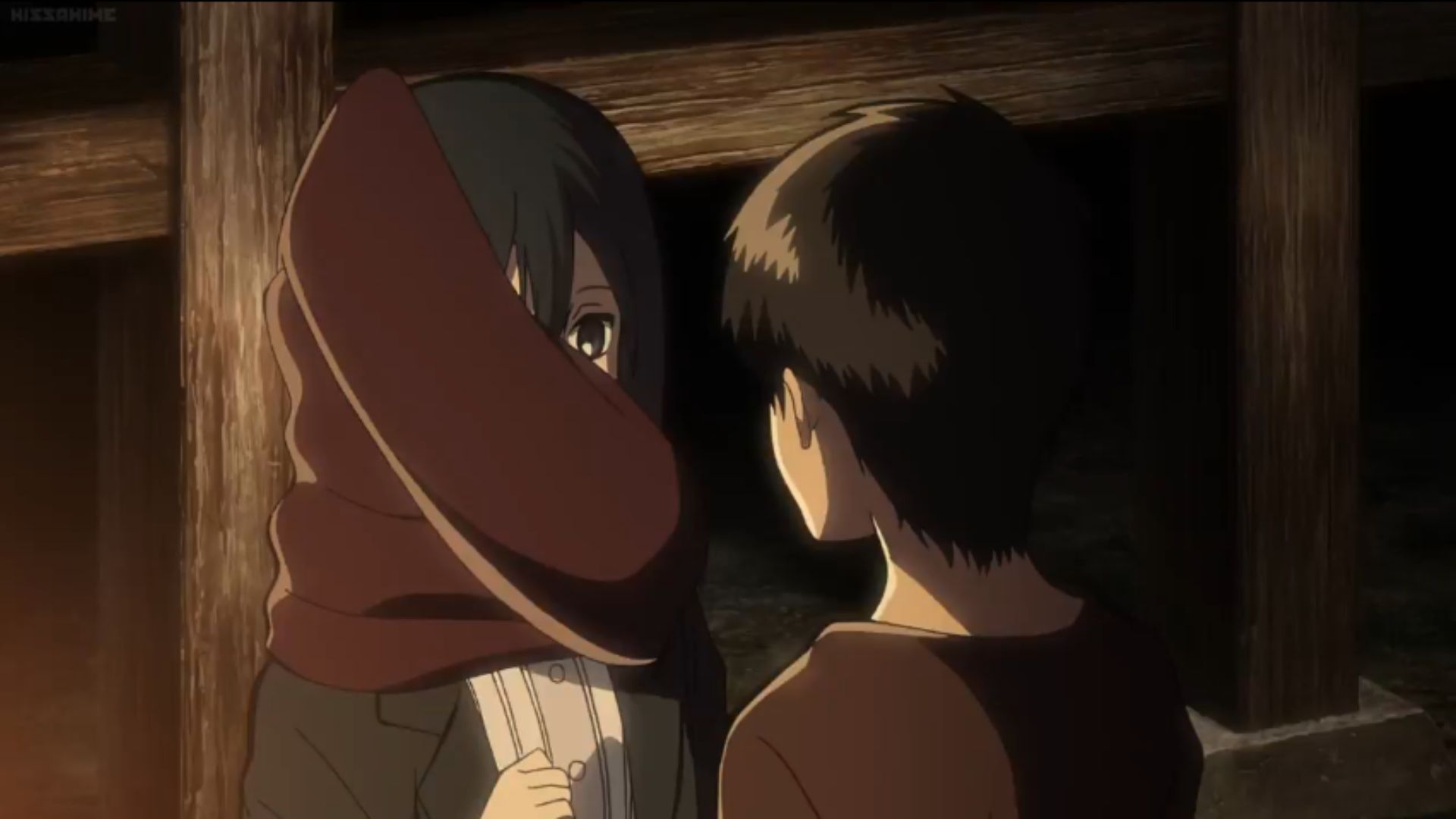
Eren first reaches this conclusion long before the fall of Wall Maria. In a childhood flashback, nine-year-old Eren confronts human traffickers who have kidnapped Mikasa. When an adult attacker chokes him, Eren understands that wanting to live is not enough. Survival, as he sees it, belongs to those prepared to act.

The experience hardens into a personal rule. Safety and freedom cannot simply be hoped for; they must be seized, even when doing so requires violence. That belief explains both Eren’s courage and the danger hidden within it.
From battle cry to personal doctrine
Eren carries the same conviction into military training. He clashes with people who are more willing to accept the world’s limits, including Jean, who initially sees little value in throwing his life away for humanity. For Eren, hesitation is not caution. It is surrender.
The Battle of Trost gives that belief its first major test. After the Colossal Titan breaches the district’s outer gate, civilians are trapped and newly graduated cadets are sent into an overwhelming fight. Titans flood the streets, inexperienced soldiers lose control and Eren watches friends die. Training only matters, he learns, when fear does not prevent action.
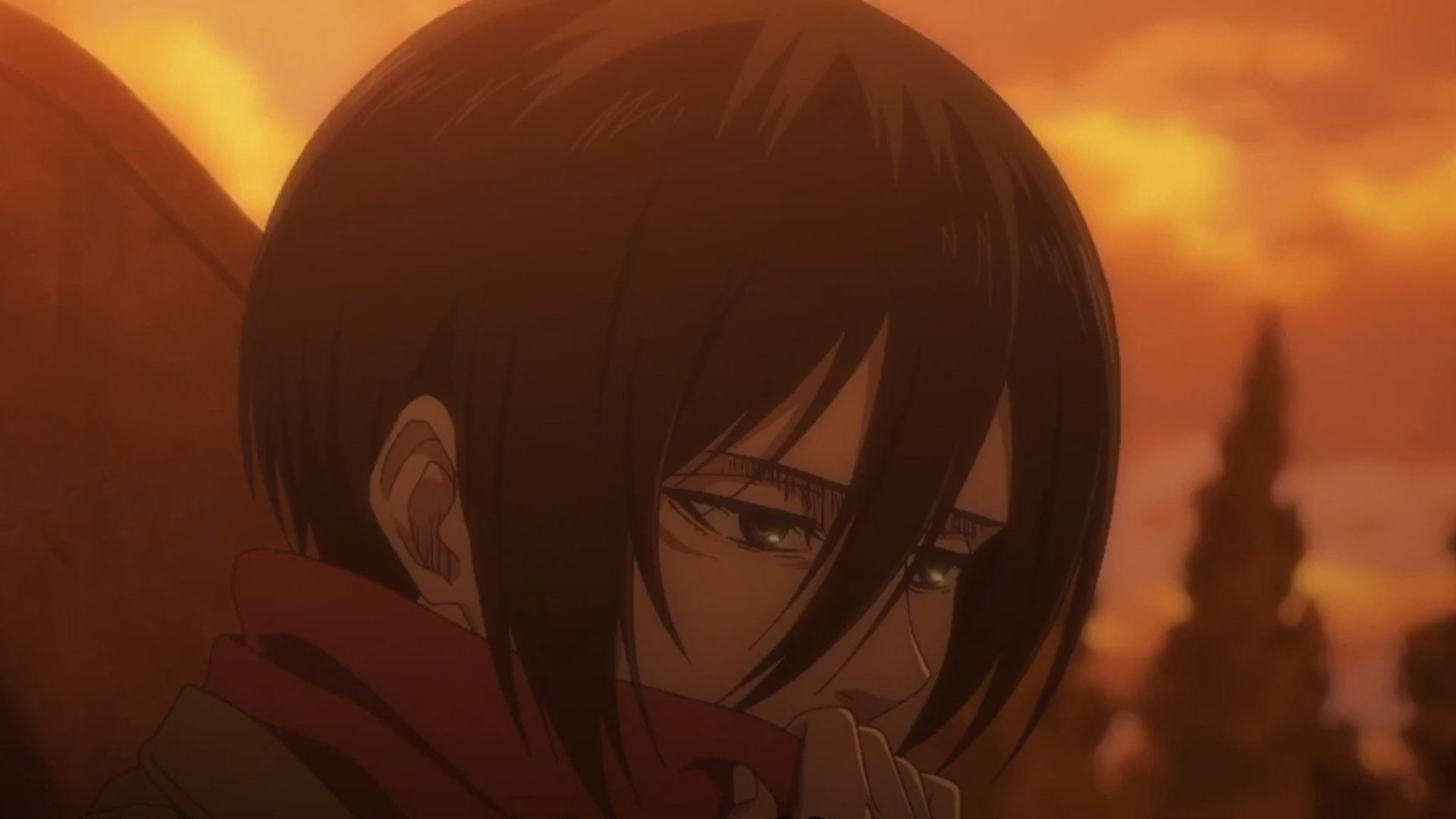
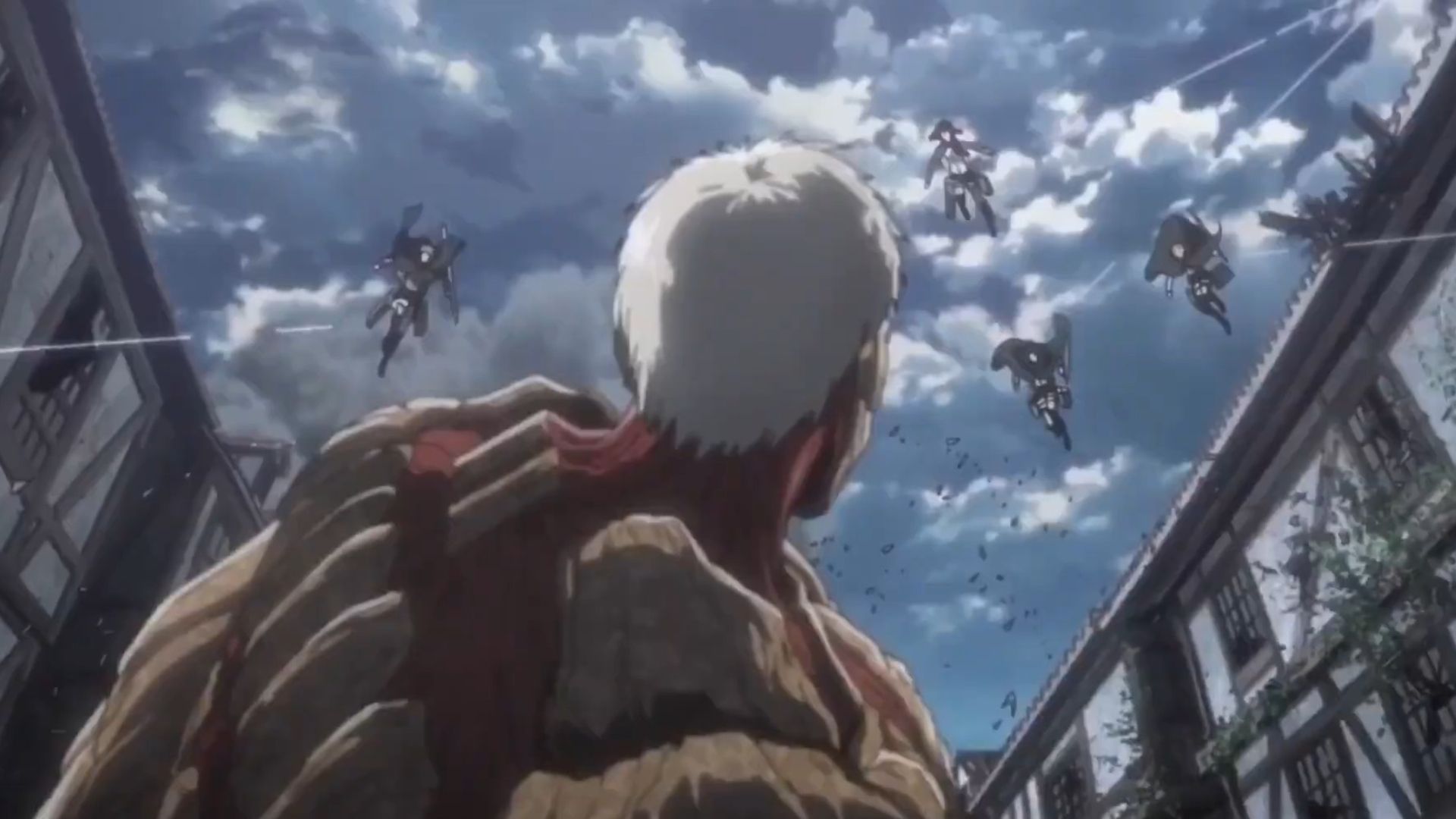
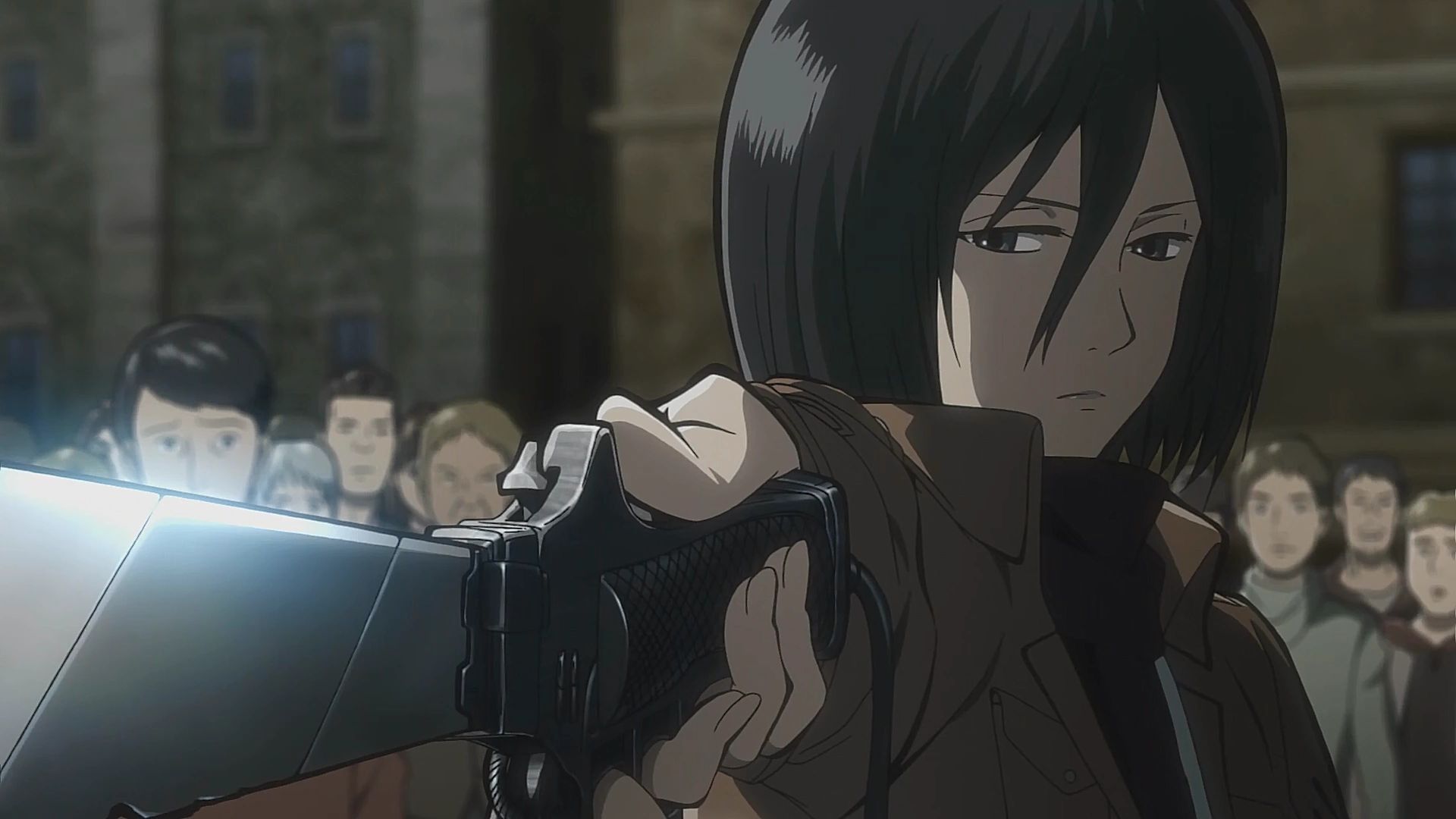
At this stage, Eren can still appear to be humanity’s ideal weapon. People have spent generations hiding behind enormous walls, trading meaningful freedom for a fragile form of security. Eren refuses to call that existence. His fury makes him a catalyst: someone willing to challenge a stagnant world because suffering has convinced him that there is no alternative.
The world beyond the walls changes everything
Attack on Titan gradually dismantles its simple division between heroes and monsters. The threat is not limited to mindless Titans outside the walls. Beyond Paradis are ordinary people caught in inherited hatred, political fear and cycles of retaliation.


That wider perspective makes Eren’s rule increasingly difficult to defend. If victory always belongs to the person willing to use more force, then every opponent becomes an obstacle rather than a human being. The line that once inspired resistance begins to justify escalation.
When winning becomes the horror
Eren never truly abandons his childhood philosophy. Instead, he expands it until its implications become monstrous. The boy who wanted to destroy Titans and protect humanity eventually decides that freedom can only be secured through overwhelming violence against anyone he believes threatens it.
The words have not changed, but their meaning has. What began as a desperate promise to fight becomes evidence of Eren’s inability to imagine a future built on compromise, mercy or coexistence. His pursuit of freedom leaves no room for another person’s freedom to matter.
That reversal is the line’s real power. It was never merely a speech designed to rally comrades before a difficult battle. It was also a warning about what happens when survival becomes the only moral standard.
Why the quote still hits so hard
Eren’s declaration remains memorable because it works in two directions. On the surface, it captures the blunt energy of a hero refusing to give up. Beneath that, it exposes the logic that can transform determination into extremism.
For arcade fans who enjoy stories built around high-stakes choices, the series offers the same kind of tension found in a demanding arcade story: every decision pushes the player or character further into a system with consequences. Those building a themed home setup can also explore arcade machines or a compact bartop arcade for a smaller games room.

Ultimately, Eren’s coldest quote is memorable because it contains the entire tragedy of his character. A frightened child discovers that refusing to fight can mean death. An older Eren turns that lesson into a global doctrine. The battle cry that once promised freedom eventually becomes the justification for destroying the world in its name.
Attack on Titan is available to stream on Crunchyroll.


Leave a Reply