

Nintendo is still backing physical games, and its upcoming remake of The Legend of Zelda: Ocarina of Time suggests the company is also willing to invest heavily in improving its classics.


Nintendo’s continued support for physical releases is hardly surprising. The company remains closely connected to toy retail and sells a larger share of boxed games than many competitors. Its Switch 2 platform supports physical cartridges, and a Nintendo executive in Latin America recently said the company understands how much fans value them.
That approach is becoming more notable as memory-chip costs rise. Switch game cards are likely more expensive to manufacture than Blu-ray discs, which helps explain why many third-party publishers use game-key cards containing little or no game data. Nintendo’s own releases, however, continue to place the complete game on the cartridge.

For a family-focused company, the decision is practical as well as emotional. Nintendo generally avoids enormous development budgets built around graphical fidelity, arguing that visual improvements do not always create a proportional increase in fun. Physical releases, though, are an area where it appears willing to absorb the cost.
That matters for Ocarina of Time. A child opening the game on Christmas morning, inserting the cartridge into a Switch 2 and then discovering a large download was required would be a poor experience. Nintendo’s decision to ship the full game physically reflects how much value it places on immediacy and ownership.
A remake focused on responsiveness
Early hands-on coverage of the 2026 remake points to a version that is sharper, smoother and more responsive than the Nintendo 64 original. The game has been revisited before, but this release appears to treat its most persistent weakness as a design problem worth fixing.

Ocarina of Time 3D was developed by Grezzo, as was the 2019 remake of Link’s Awakening. By contrast, the 2026 Ocarina of Time project appears to have been assigned to one of Nintendo’s internal teams, rather than handled externally like those earlier remakes. Preview impressions have highlighted the difference.
The visual presentation is more lush, but the larger improvement may be how naturally the game responds. The original Nintendo 64 release runs at 20 frames per second, a limitation that can make movement and combat feel sluggish. The remake’s quicker, more polished handling addresses that long-standing friction without discarding the structure that made the adventure important.

Nintendo has the obvious commercial reason to revisit established games: new releases are risky, and familiar names can help fill a schedule. This remake nevertheless seems to be taking the more valuable opportunity: strengthening a landmark title instead of merely reproducing it.
That philosophy will interest anyone who follows arcade and gaming news. The best restorations, whether applied to a console adventure or a classic cabinet, preserve the character of the original while removing the hardware limitations that get in the way.
Other retro highlights this week
Ratatan brings back the Patapon spirit
Ratatan reworks the idea behind the PlayStation Portable cult favourite Patapon. It is a rhythm-action game about a line of marching warriors, rebuilt by some of the original developers as a roguelike spiritual successor. The result does not completely hold together, but its nostalgia and familiar rhythm remain appealing.

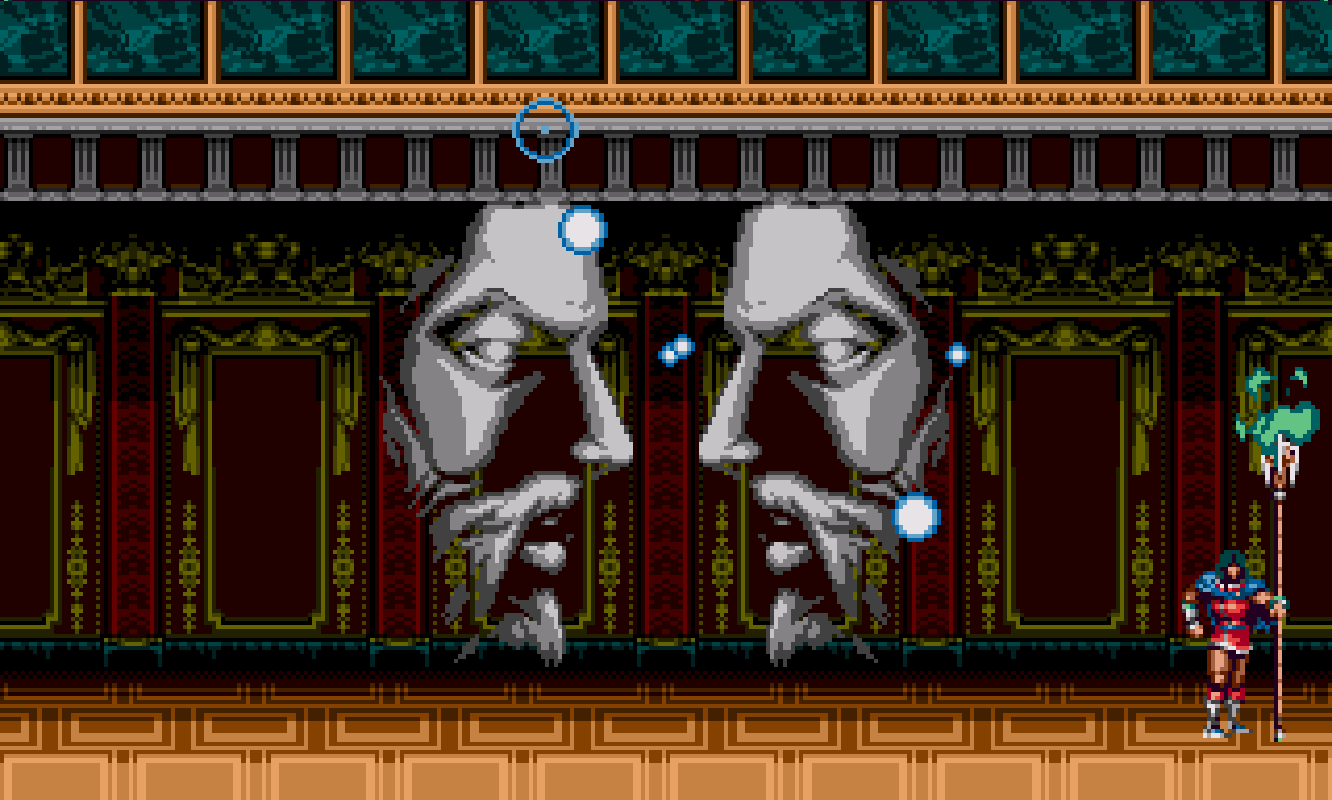
Castlevania: Bloodlines remains a sharp Genesis classic
The arrival of Castlevania: Belmont’s Curse is a useful excuse to revisit Castlevania: Bloodlines. This often-overlooked Sega Genesis entry is less gothic exploration and more direct action, echoing the straightforward design of the NES games while making impressive use of its hardware.
Music from Majora’s Mask
“Guru-Guru’s Song” captures the unsettling, carnival-like mood of The Legend of Zelda: Majora’s Mask. It reworks the “Song of Storms” melody with the character of a circus organ grinder, making it an appropriately strange companion to Ocarina of Time’s direct sequel.

Notable releases
- Castlevania: Belmont’s Curse — 15 October, Switch. Evil Empire, the studio behind Dead Cells, handles this return of the other half of the Metroidvania formula.
- Toy Story 3: Complete Edition and Toy Story: Retro Roundup! — 15 October, Switch and Switch 2. Digital Eclipse gives these tie-in games the interactive-museum treatment.
- Call of Duty: Modern Warfare 4 — 16 October, Switch 2. The series returns to Nintendo following Microsoft’s acquisition of Activision.
- Resident Evil 2, 3 and 4 — 16 October, Switch 2. Capcom’s acclaimed remakes arrive on Nintendo’s newer hardware.
- Frostpunk — 19 October, Switch. The 2018 survival city-builder finally comes to Nintendo’s older hybrid platform.
For players building a dedicated setup around classic games, the same principle applies: the right display, controls and cabinet can make older software feel more immediate. Our arcade machine buying guide covers the main choices, while bartop arcades suit smaller Australian gaming spaces. Those planning a restoration can also browse arcade parts for replacement controls and monitor components.


Leave a Reply