

Croak gives precision platforming a plump new star
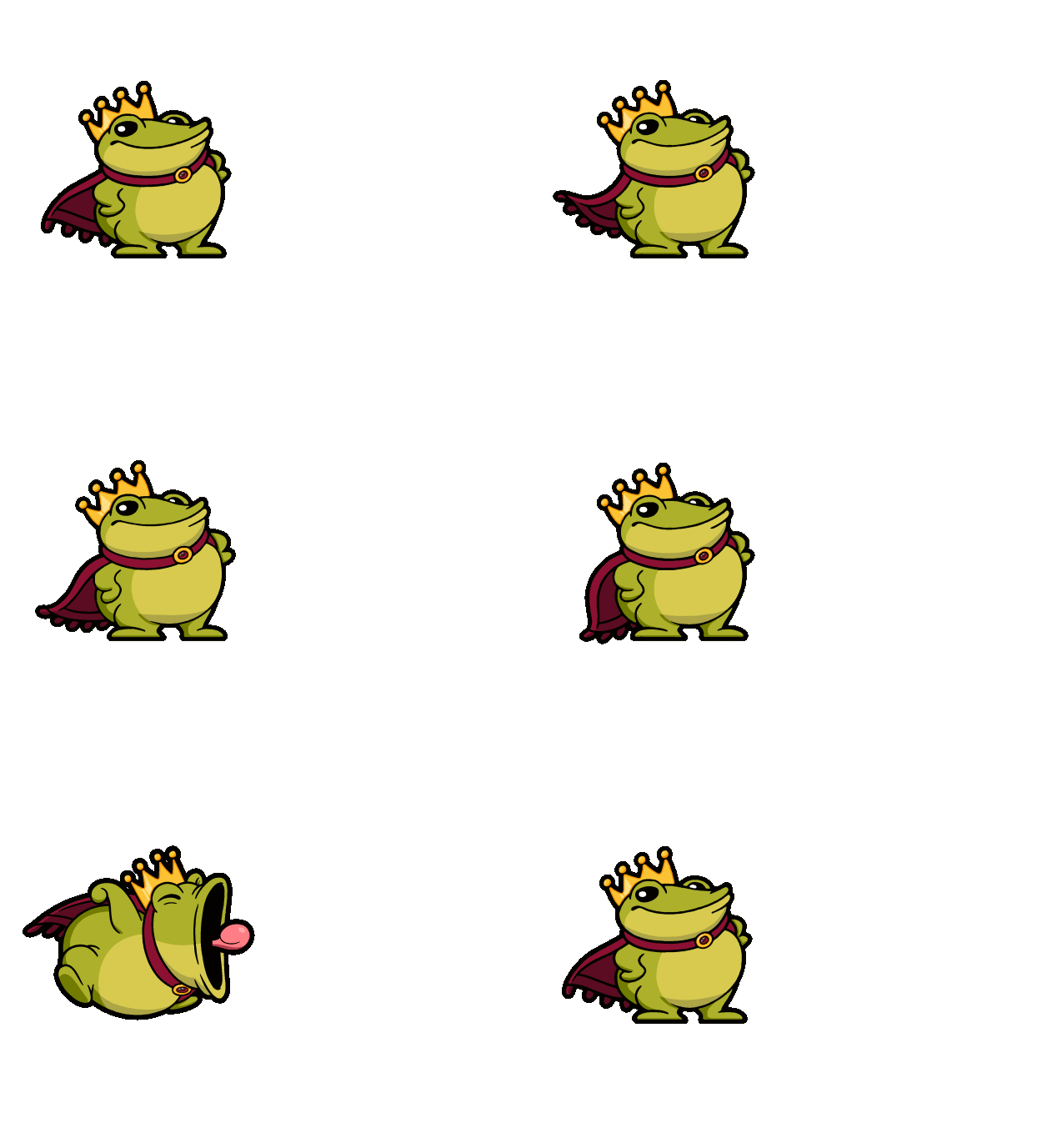
With no Mario announcement arriving in the latest Nintendo Direct, Croak has room to make its own mark. Woodrunner Games’ debut platformer is planned for release in 2026, introducing a round Frog Prince whose sticky tongue powers movement, puzzles and combat.


The game combines hand-drawn 2D animation with elastic movement and carefully tested level design. After playing the demo, the combination of tongue grappling, recoil, pinball-like launches and small, demanding puzzles makes Croak an intriguing prospect for fans of focused platformers. A demo and wishlist are available through Croak on Steam.

One mechanic, pushed in every direction
CEO and co-founder Max Petroff says the project grew from a shared love of platformers, including Super Mario Maker, difficult user-created Super Mario World stages, Celeste, Cuphead and Super Meat Boy. The team used repeated playtests and iteration to find the right balance.
Woodrunner wanted a precision platformer built around one central ability rather than a collection of power-ups. The goal was to keep the challenge approachable: individual puzzles can be difficult, but clearing one preserves that progress even if the player later falls.
The tongue can grapple nearby objects, gobble them and spit them back out. The earliest version used a duck with a dash covering the same distance as the eventual tongue. Once the team explored the frog’s rounded body, recoil and pinball-style movement became part of the core design.


From Quack to Frog Prince
Croak began with a pudgy duck called Quack. The project initially experimented with pixel art and 3D visuals before the team connected with animators and committed to hand-drawn work.
Animator Tina Nawrocki, who worked on Cuphead, first joined as a consultant. She ultimately created 99% of the animation. Joseph Coleman, another Cuphead animator and Nawrocki’s friend, contributed one boss fight featuring a mouse with a shoe.
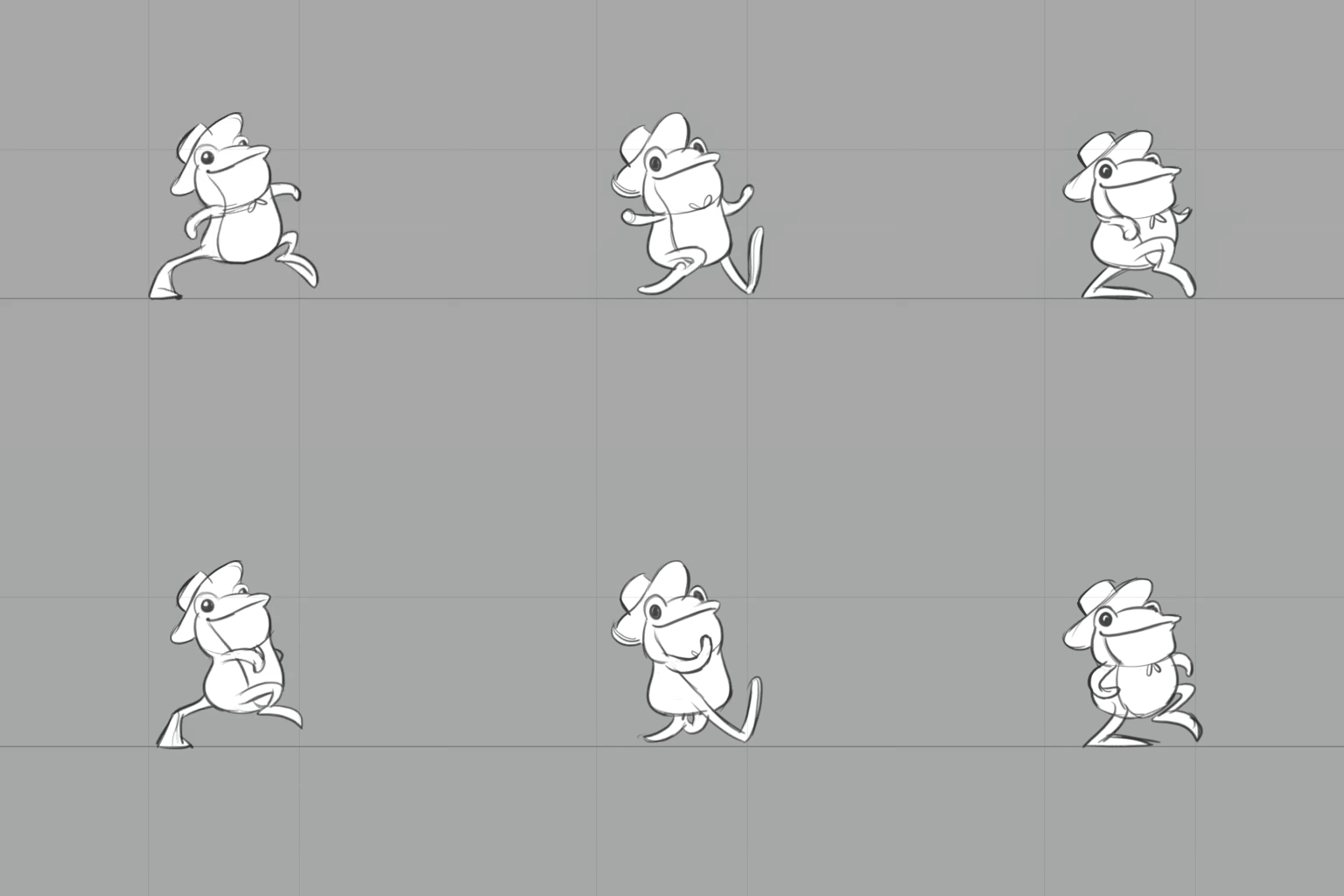
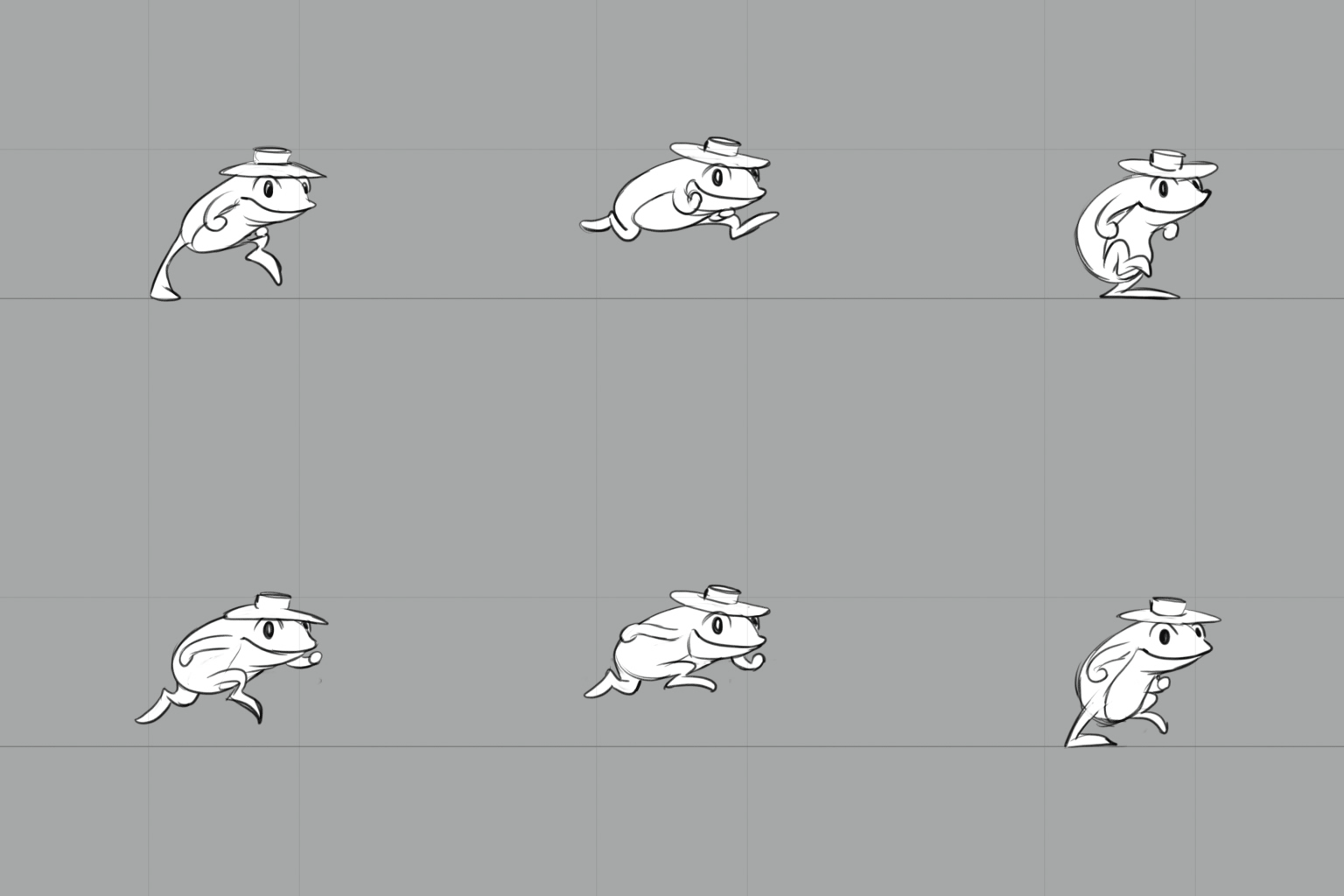
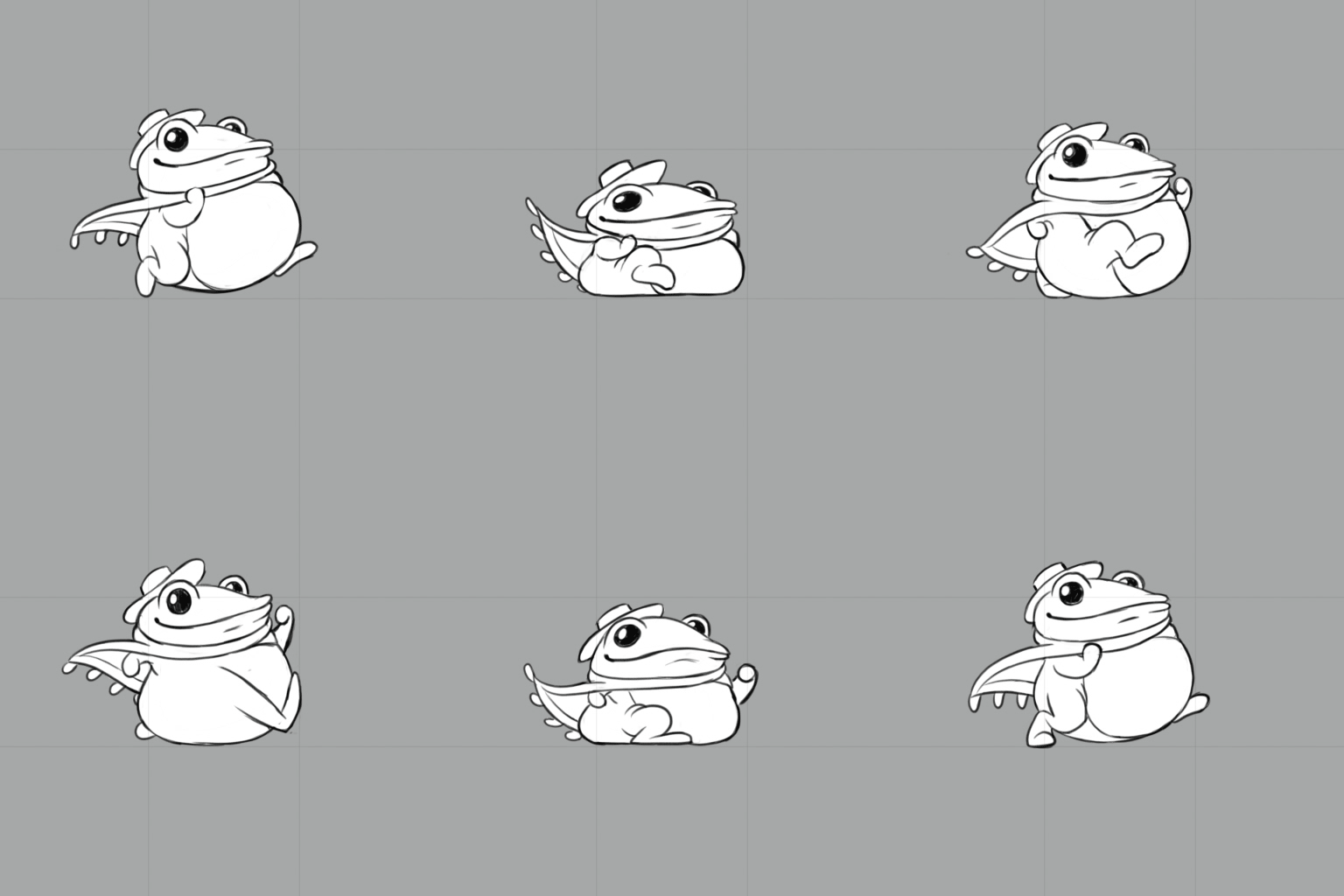
The hero’s identity changed alongside the art direction. After the duck came a Western-inspired frog wearing a hat and cape, but the developers eventually embraced the classic Frog Prince idea. Nawrocki’s love of squash-and-stretch animation and 1930s cartoon influences helped shape the game’s round, expressive cast.

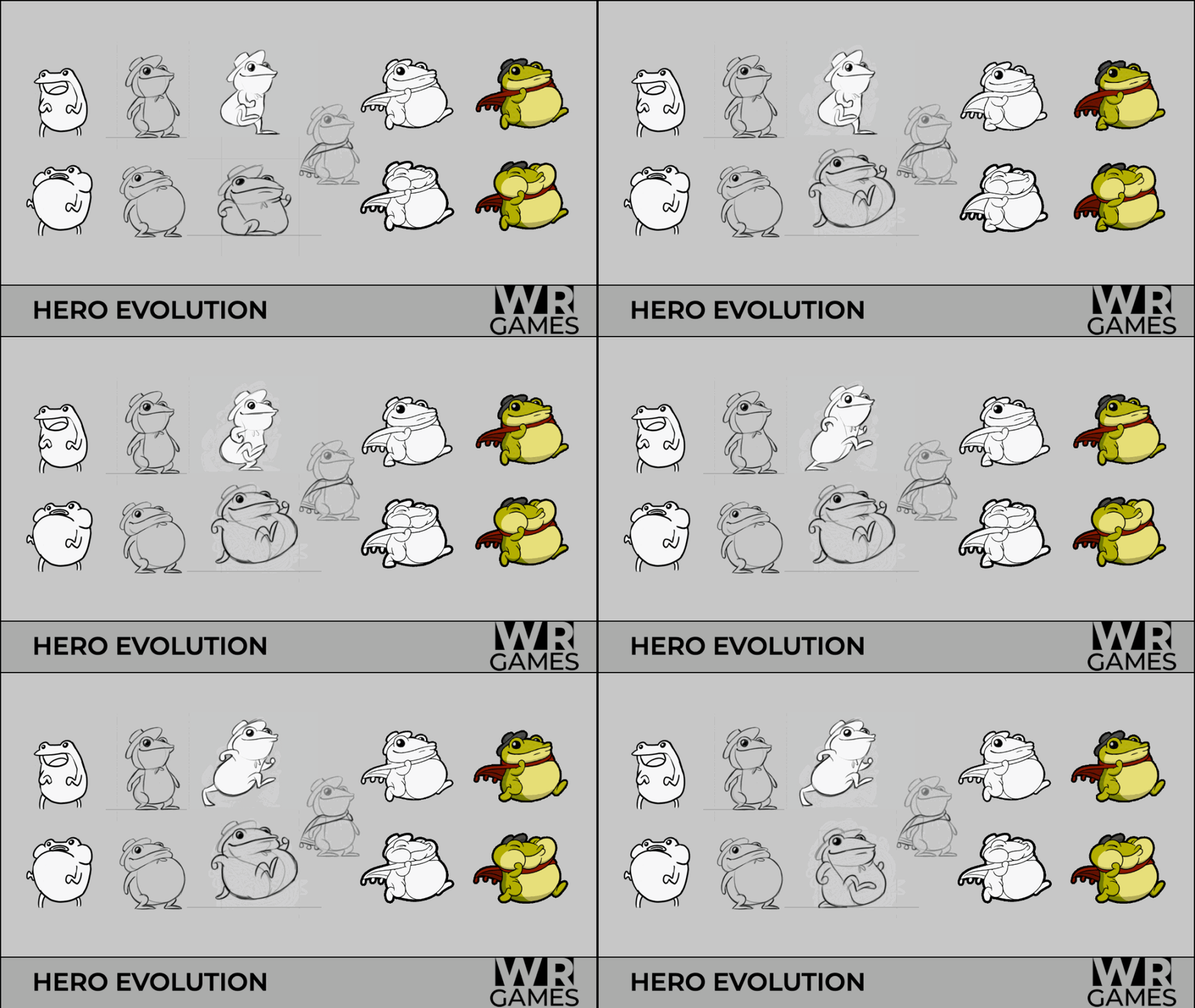

The characters’ chunky appearance also influenced the story, which now includes plenty of food. Early experiments imagined a skinny frog swelling whenever he swallowed an object, then returning to normal after spitting it out. The team kept the soft, round silhouette instead.
Level design starts with rough experiments
Petroff describes Mario and Celeste as major influences, alongside the inventive Super Mario World community. Woodrunner begins with rough black-and-white prototypes and asks a simple question: is the idea fun? Animation and polish come later.
The studio also uses its Discord community for playtesting. Feedback has led to experiments such as tongue-grappling flowers that swallow and spit the frog, potentially launching him like a pinball rather than sending him straight upwards.
One breakthrough came from adjusting the distance of a powerful recoil move. The frog can jump three units high and travel six units horizontally, while an early eight-unit launch felt too short. Testing a 12-unit version revealed the satisfying pinball effect that became an important part of movement.
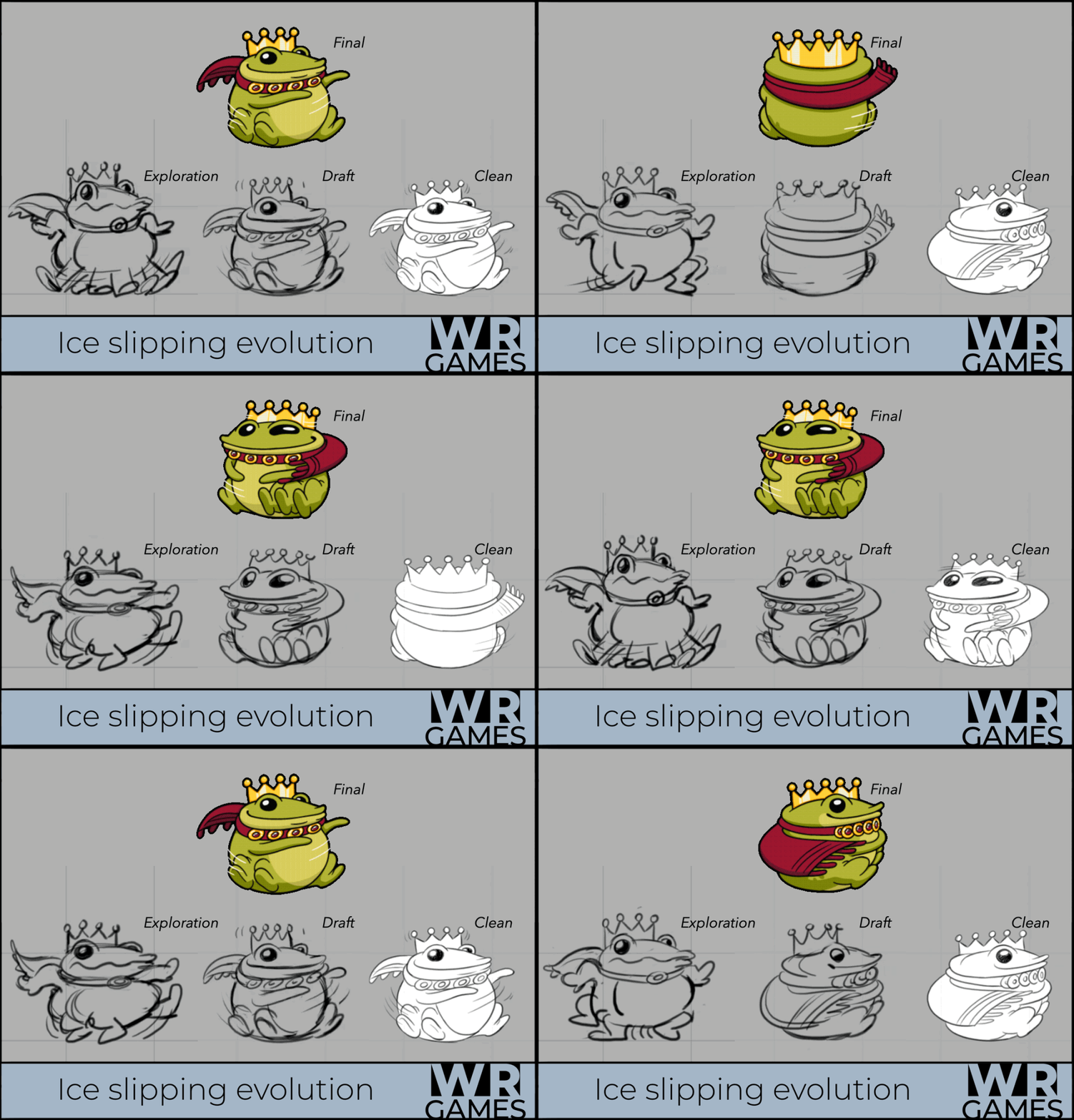
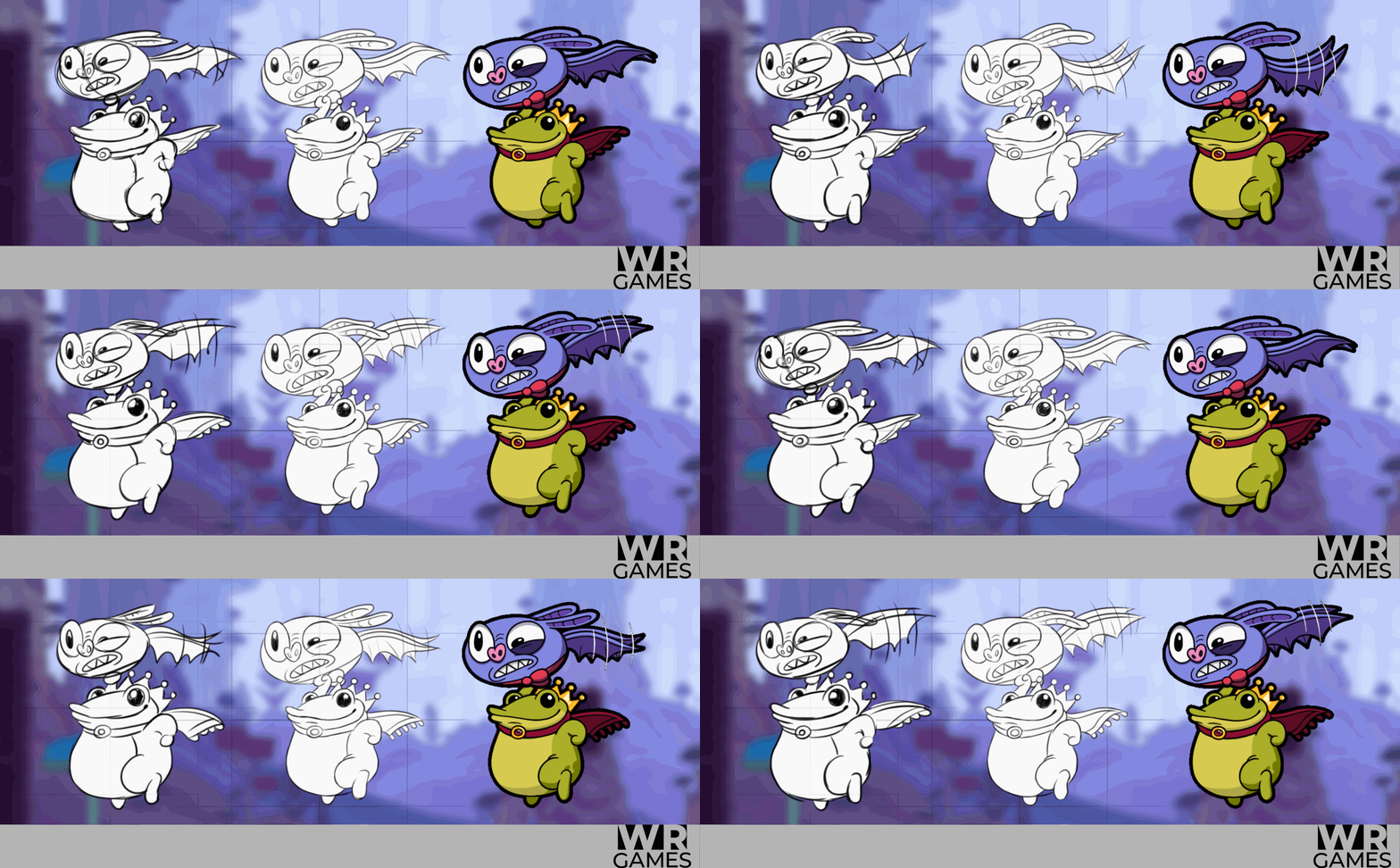
Much of the impact comes from presentation as well as physics. Visual effects, squash-and-stretch animation, freeze frames and screen shake transformed otherwise flat interactions into something more satisfying. The developers describe this finishing layer as the “juice” that makes a mechanic feel complete.
A small team shaped by trust
Nawrocki says the project benefits from a small team where ideas can move freely. Mechanics can change when new artwork suggests a better solution, and artwork can evolve in response to the way a mechanic feels. The developers value quick experimentation over a rigid production hierarchy.
That process has helped the Frog Prince develop a recognisable look, although Petroff says the character may still need one more iconic detail before launch. Nawrocki’s simpler pitch is already clear: a fat frog in a hand-drawn precision platformer.


Why arcade fans may want to watch Croak
Croak is not an arcade game, but its compact challenges, immediate movement and emphasis on repeatable mastery could appeal to players who enjoy learning a cabinet’s rules one attempt at a time. For more gaming and arcade news, visit the RETROCADE Arcade Blog, or explore the arcade videos section.
If the game’s precision focus inspires a home setup, RETROCADE’s arcade machines and arcade machine buying guide are useful places to start.
Croak is scheduled for release in 2026. The demo is available on Steam, where players can also wishlist the game.


Leave a Reply