



Gandalf’s clash with the Great Goblin becomes card art
Published 17 August 2026, this Magic: The Gathering release revisits one of The Hobbit’s most dramatic early scenes with a new version of Diabolic Intent.
After Thorin’s Company escapes three trolls by keeping them arguing until sunrise turns them to stone, the travellers search the trolls’ hoard. Bilbo finds Sting, the sword that glows when orcs are close, while Gandalf claims Glamdring and Thorin takes Orcrist.
When goblins capture the company in chapter four, the Great Goblin recognises Orcrist and reacts furiously. Gandalf, who has remained concealed, extinguishes the chamber’s light before killing the Goblin King with one blow.
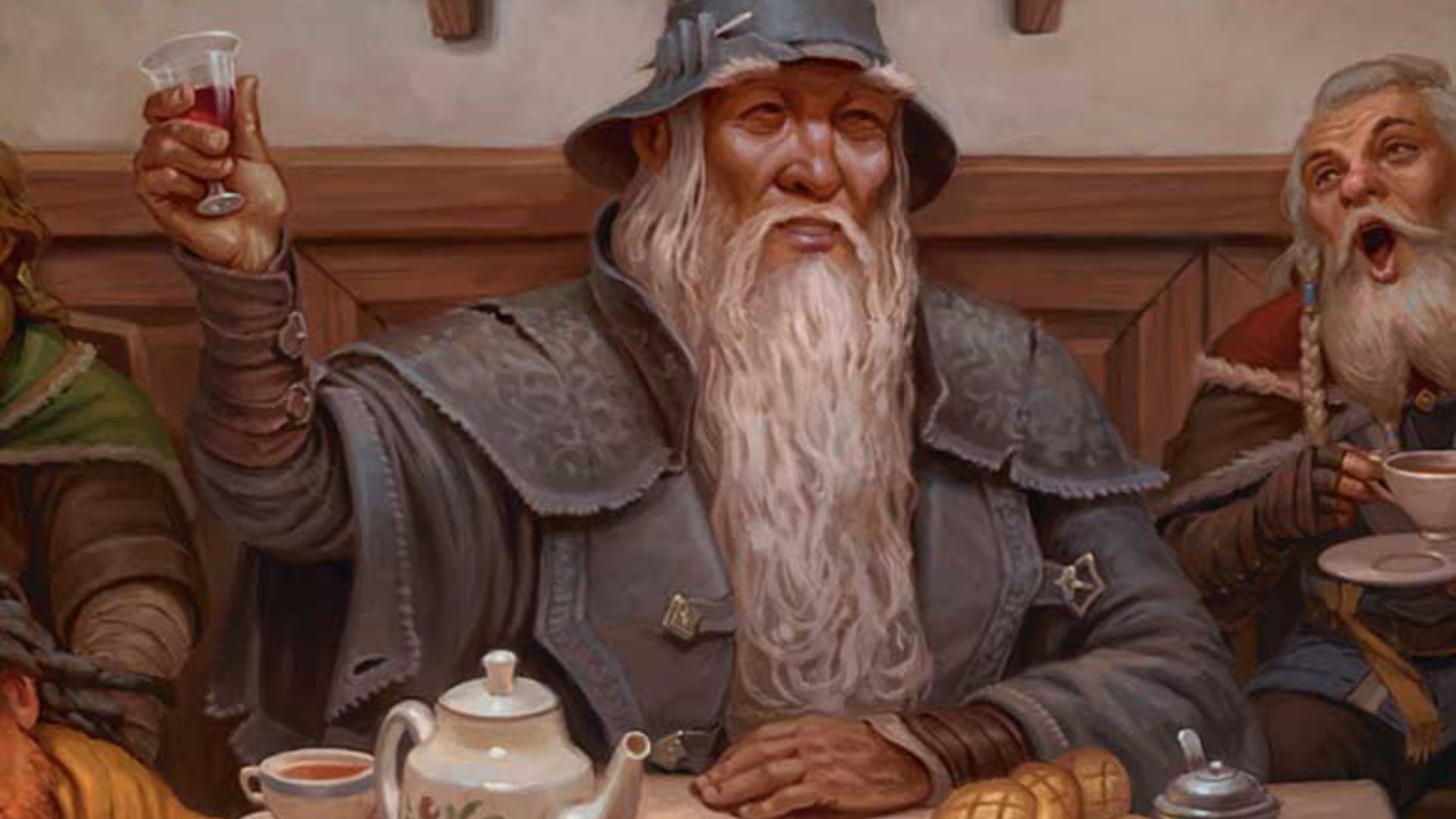

In Tolkien’s description, Glamdring shone with a blue flame as it struck down the cave’s great lord.

Diabolic Intent gets a Desolation makeover
Artist Septian Fajrianto depicts that confrontation on a reprint of Diabolic Intent. The card belongs to “Desolation”, a black-and-white Secret Lair Drop for The Hobbit Bonus Sheet.
“Desolation” forms part of the broader Secret Drop titled A Marvelous Mathoms. Its artwork focuses on bleak and violent moments, and the Diabolic Intent illustration shows Gandalf striking the Great Goblin while a burst of light hides the impact.

Why Commander players value the card
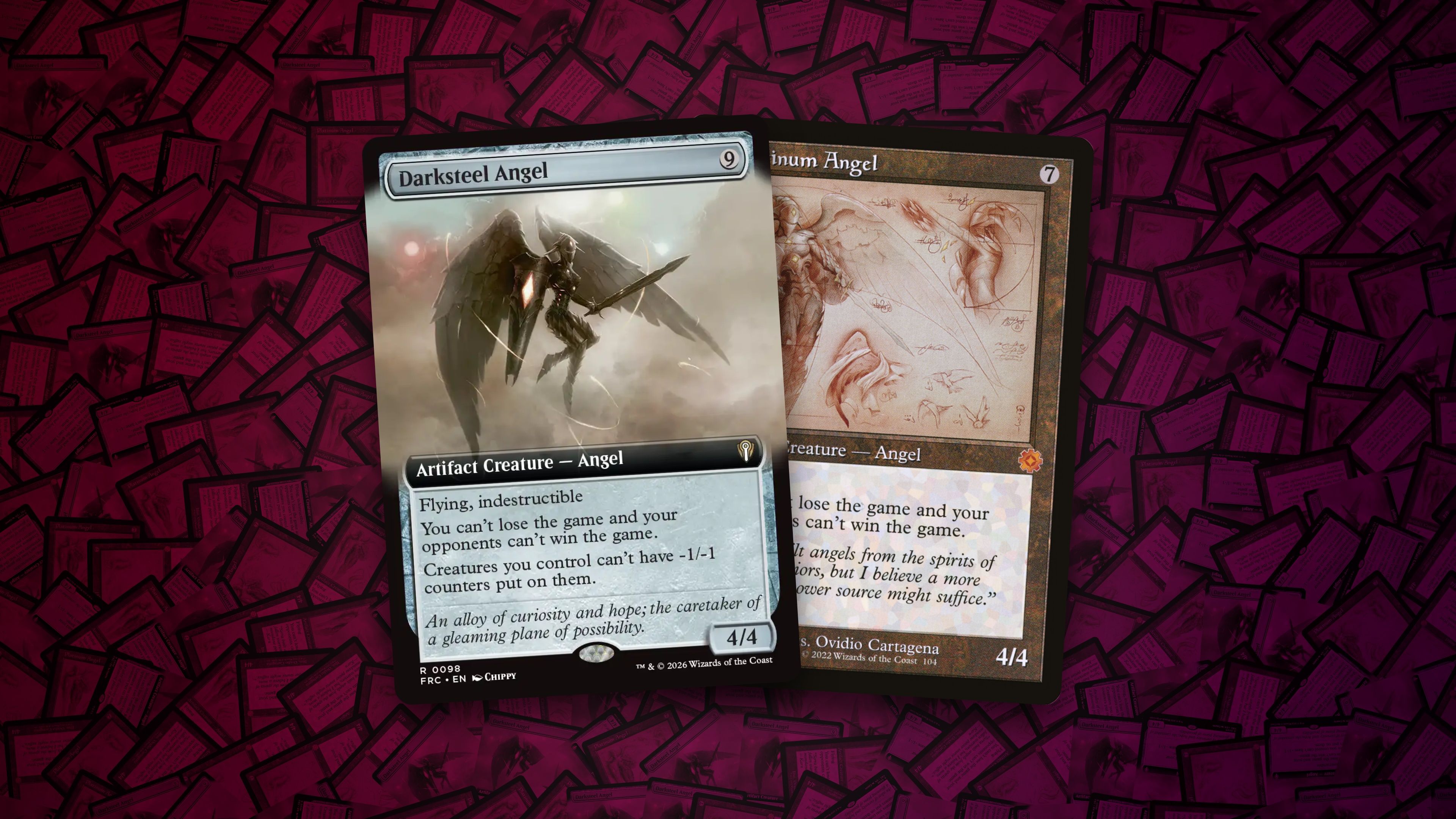
Diabolic Intent first appeared in 2001’s Planeshift. It costs two mana—one colourless and one black—and is a sorcery that searches your library for any card before putting it into your hand. The drawback is an additional requirement to sacrifice a creature.
That makes it less efficient than Demonic Tutor, which performs the same basic job without the sacrifice. Demonic Tutor’s exceptional power is also why it is banned or restricted in almost every competitive format.

Even with its additional cost, any card that can find any card remains highly valuable in Magic. Commander decks generally contain only one copy of each card, so locating a specific answer or combo piece is more difficult through normal draws.
The sacrifice can be an advantage in aristocrat strategies, where creatures are deliberately sent to the graveyard for value. Black decks also commonly use graveyard recursion, giving them ways to recover the creature that paid for the search.
The new Diabolic Intent is reported as the most valuable reprint in the Superdrop, with a reprint value of at least $16. Most other cards in The Hobbit Superdrop are valued at about $7 or less, while Imp’s Mischief is the next most expensive.
Other Diabolic Intent printings
One of the priciest existing versions is exclusive to The Lord of the Rings: Tales of Middle-earth Collector Boosters. It features Saruman looking into the Palantir and is priced at approximately $95.
A Marvelous Mathoms is available through the Secret Lair website while supplies last. For more gaming and industry coverage, browse RETROCADE’s Arcade Blog, explore the arcade machine buying guide, or compare arcade machines.


Leave a Reply