


Netflix’s Five-Year Gaming Experiment Keeps Changing Direction
Published 16 August 2026


Netflix entered video games five years ago with a modest collection of mobile titles. Since then, its plans have moved repeatedly between casual entertainment, acclaimed independent games, major licences and television-based play. The latest reset is among the most significant yet: Night School Studio and Moonloot are both being closed.
Night School, the developer behind Oxenfree, was acquired by Netflix in 2021 during the company’s first push into games. Its newest release, Unhinged, arrived through Netflix on 30 June. Moonloot did not release a game while owned by the streaming company.
From mobile extras to a wider gaming strategy
The original Netflix Games line-up was deliberately approachable. In 2021, subscribers received Stranger Things 3: The Game, Stranger Things: 1984, Shooting Hoops, Card Blast and Teeter Up. Those games targeted casual players and Netflix fans, while the Night School acquisition hinted that more ambitious, creator-led projects could follow.
That broader identity started to appear in 2022. Netflix added polished mobile releases such as Poinpy and Desta: The Memories Between, then brought acclaimed games including Into the Breach, Immortality and Before Your Eyes to the service.

Over the next two years, the library leaned further towards critically recognised games. Night School released Oxenfree 2: Lost Signals, Snowman delivered Laya’s Horizon, and Yacht Club Games brought Shovel Knight: Pocket Dungeon to mobile. Hades and The Case of the Golden Idol also joined the catalogue, before Netflix made its biggest acquisition of attention in late 2023 with Grand Theft Auto: The Trilogy – The Definitive Edition.
Netflix also tried to place its games in front of the wider industry. At Summer Game Fest’s Play Days event, journalists and creators saw projects such as Harmonium: The Musical. The launch of Monument Valley 3 in late 2024 appeared to reinforce Netflix’s claim as a home for premium mobile games.
The discovery problem
The quality of some releases was not matched by their visibility. Games remained difficult to find inside the streaming app, and Netflix rarely made them feel like a central part of the subscription. Occasional promotions appeared, but gaming often seemed like a separate mobile product rather than a natural extension of the television service.
That disconnect matters for any digital game library. Even an excellent title needs clear presentation, recommendations and reminders if subscribers are expected to play it. Readers considering a dedicated home setup can explore RETROCADE’s arcade industry coverage or use the Arcade Machine Buying Guide to compare how purpose-built gaming spaces solve that visibility problem.
A sharp change in 2025
Netflix’s direction became less certain in 2025. In June, 20 games were removed, including Hades, Death’s Door and all three Monument Valley games. Harmonium disappeared from the planned line-up, while Spirit Crossing was cancelled after Netflix sold developer Spry Fox back to its founders. Boss Fight Entertainment, known for Squid Game: Unleashed, was shut down.
At the same time, Netflix promoted more recognisable properties, including the mobile version of WWE 2K25. The company also began moving games from phones to televisions, with an emphasis on shared experiences such as Pictionary: Game Night, Boggle Party and an original Knives Out game from the creators of Blaseball.


Three games, three possible futures
In 2026, Netflix appeared to make another substantial effort. Three releases showcased different versions of its gaming ambitions.
- FIFA World Cup: Launch Edition was a casual football game timed to the real World Cup. Netflix supported it with stronger marketing, although critics responded poorly.
- Unhinged arrived as a surprise release from Night School. Its approximately 45-minute horror experience was presented in the style of a modern Resident Evil game.
- Netflix Minigolf used courses inspired by the service’s television shows and demonstrated the company’s interest in familiar entertainment brands.
Each title also used the Netflix Game Controller differently. Together, they suggested a Nintendo-like, dual-screen model in which a television displays the action while a phone acts as the controller.
The subsequent studio closures make that trio look like a market test. Netflix could compare the appeal of a party game, a sports title and a more distinctive story-driven release, then concentrate on the categories it believes have the strongest mainstream potential.

Back to familiar territory?
Netflix says its future priorities include kids’ games, party games, story-led experiences and titles built around recognisable hooks. That description is not far removed from the company’s starting point in 2021, when Stranger Things 3: The Game and Card Blast represented much of its offer.
The shift reflects a wider challenge for large technology companies entering games. Amazon has moved its Luna service towards casual and celebrity-led party games, including Courtroom Chaos. Apple Arcade has also reduced its emphasis on prestige projects and placed more attention on children’s games tied to established intellectual property. Earlier relationships with prominent creators such as Sega’s Yu Suzuki and Final Fantasy creator Hironobu Sakaguchi are no longer as central to Apple’s public strategy.
For Netflix, the more realistic audience may be its existing subscribers rather than dedicated console and PC players. Kids’ titles, social games and familiar television brands could fit the service better than a campaign to win over hardcore players who already have established platforms. That approach may be commercially sensible, but reaching it has involved several closures and major reversals.
What comes next?
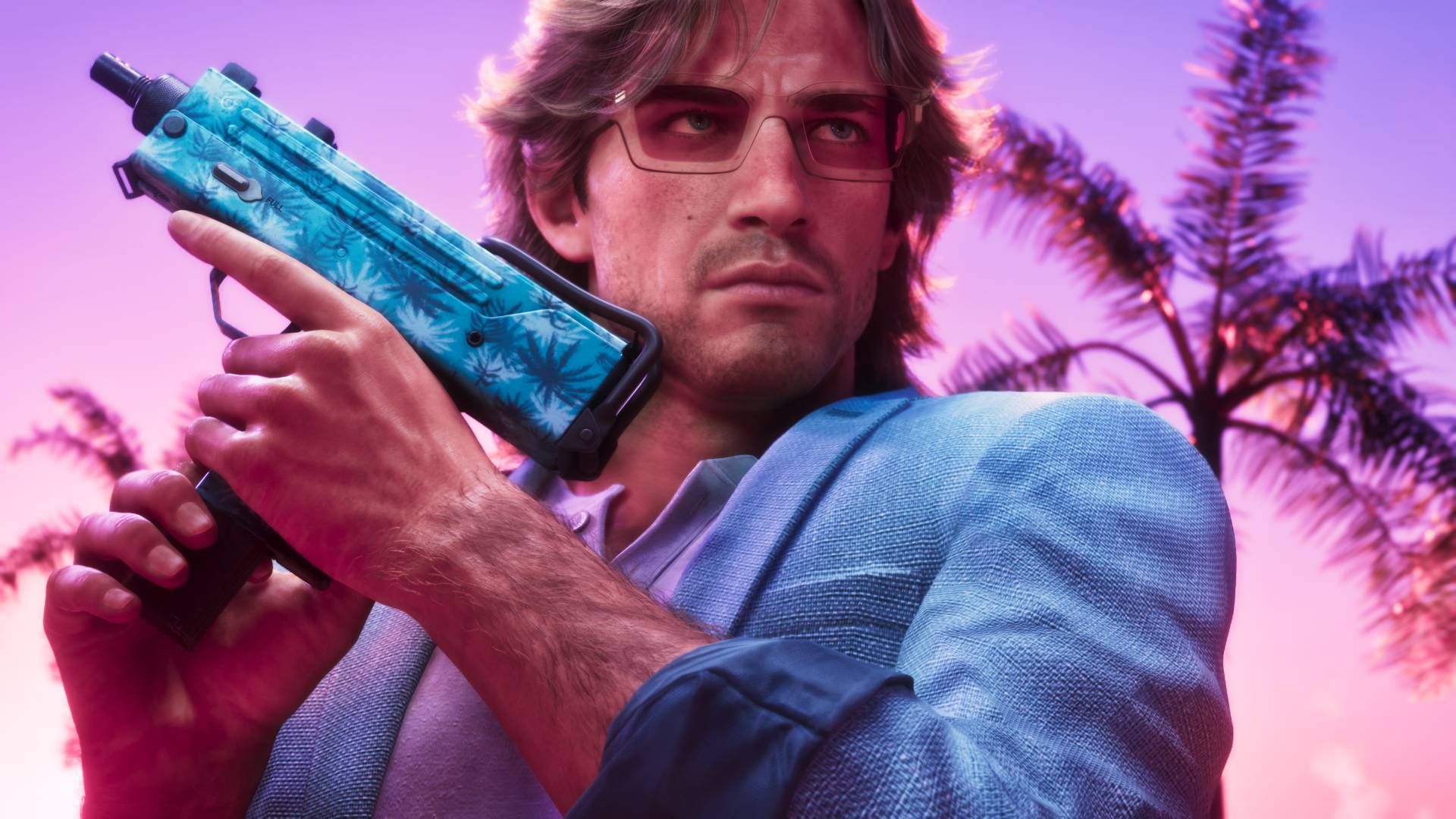
An exclusive Grand Theft Auto 6 presentation could bring more players to Netflix, even if many visit only once. Strong short-term engagement may encourage another round of experimentation, whether through partnerships with console makers, streamed AAA games on televisions or expanded use of Netflix’s cloud technology.
For now, Netflix Games has not settled on one clear identity. Its latest plan may be more practical than the prestige-focused strategy that preceded it, but the company’s history suggests another pivot remains possible. The streaming giant has spent five years searching for a durable place in gaming; the next challenge is proving that its newest direction can last.
For more arcade and gaming projects, browse RETROCADE’s arcade machines, compact bartop arcades and virtual pinball machines.


Leave a Reply