


Spoilers for the finale of Age of Umbra: Sallowlands.

Critical Role’s six-part Daggerheart miniseries, Age of Umbra: Sallowlands, turns the Halcyon Domain into a bleak study of hope, sacrifice and survival. Matthew Mercer’s latest campaign closes with a devastating finale, but its tragedy never loses sight of the people trying to build something better.

A journey through a dead world
The series debuted on 9 July and follows Sister, played by Laura Bailey; Dillwyn and her companion Badger, played by Jennifer English; Mercy, played by Abubakar Salim; Caguama, played by Vico Ortiz; and Alphonse, played by Zachery Renauldo. Mercer returns as Game Master.
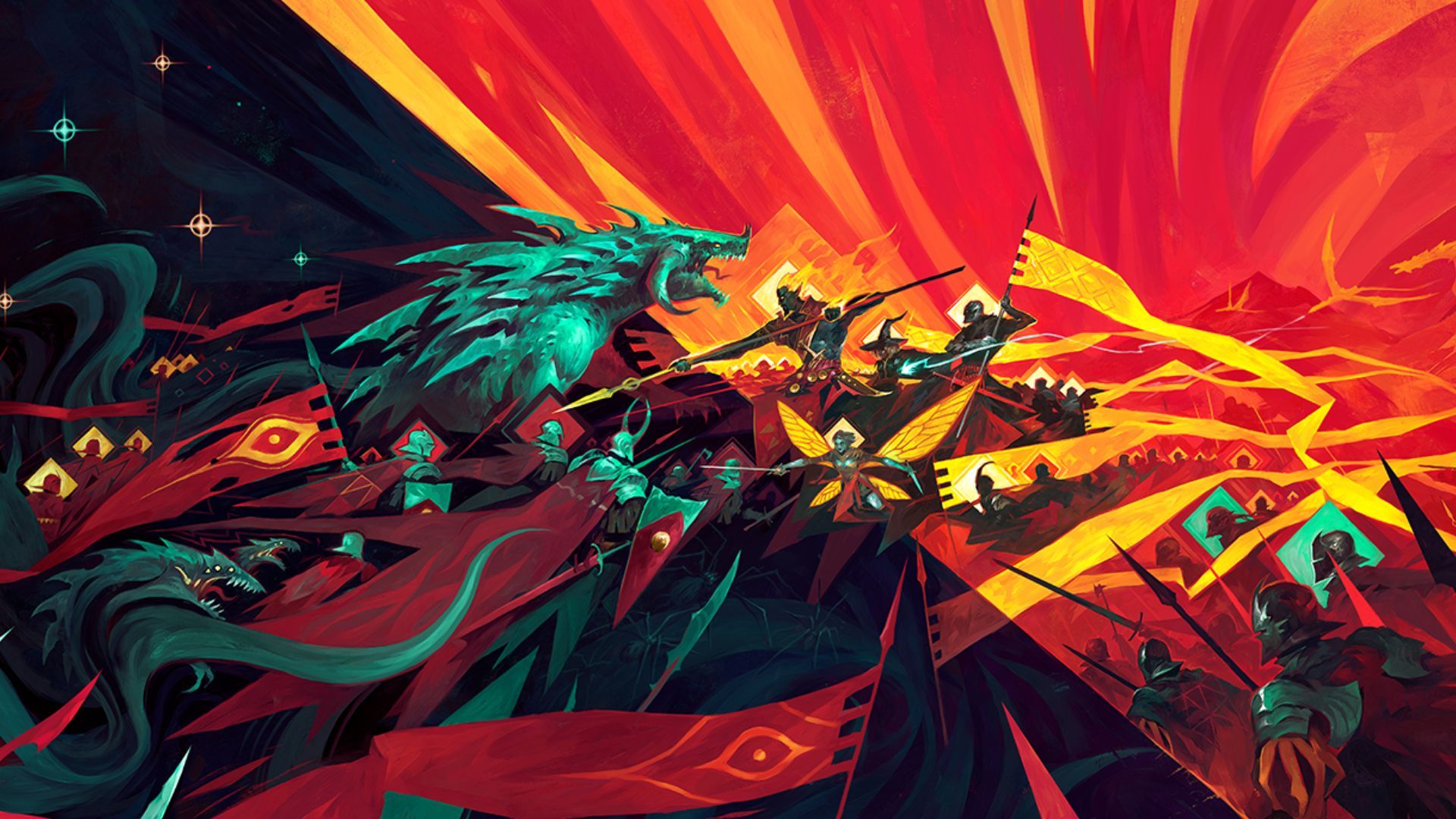
The five players begin by travelling towards a vast metropolis that has suddenly risen from the ground like a flower seeking sunlight. The cursed landscape is filled with shambling dead, yet the emerging city offers the possibility of new life and magic. That fragile promise gives the group a reason to keep moving.

Every member of the party carries a different kind of loss. Sister and Caguama remember the Halcyon Domain when it was a celestial realm ruled by the God-King Oethedias. Dillwyn and Mercy are rejected wherever they go and hope the city might offer acceptance. Alphonse, a guarded elven blood hunter, places his faith not in the world but in the people he protects. Family, lovers and memories have all been taken from them, so reaching the city becomes a search for meaning as much as salvation.
Why Daggerheart suits the story
The campaign’s focus on fear and hope explains why Critical Role keeps returning to Daggerheart for stories set in the Halcyon Domain. Where Dungeons & Dragons is more strategic and combat-driven, Daggerheart puts narrative consequence at the centre without leaving its rules feeling unfinished.
Stress is a clear example. It represents the physical and mental burden carried by an adventurer, can activate abilities, and eventually begins reducing hit points once a character runs out of stress points. In a ruined world such as this one, even an ordinary ability roll can create consequences that become fatal much later.
For readers interested in the wider tabletop and gaming landscape, RETROCADE’s arcade blog covers related gaming news and culture.
Pressure turns into catastrophe

The party travels at an exhausting pace, driven by the need to reach the city. Opportunities to recover are repeatedly interrupted, including encounters with former allies such as the Templars in the Tower of Oxodus. Dillwyn is also forced to confront old friends among the Dova, a newly zealous group that claims to offer a path towards a different future.
The Dova and the Templars are not simple villains. Like the party, they want purpose, belonging and an escape from the Halcyon Domain’s despair. Their answer is horrific: they brand people and forcibly transform them to fit an imagined perfect community. In Sallowlands, there are few clean moral divisions. People commit terrible acts while trying to create a world they can survive in.
The party continues because every injury and atrocity might lead to deliverance inside the city. Instead, Mercer reveals a place of demons and destruction. It is also a prison holding a usurper of the gods, a being determined to erase the world and begin again.
Mercy and Sister pay the final price

Death has hovered over the campaign from its opening episode, and eventually it claims Mercy. The enormous undead fungal brawler sacrifices himself to protect his companions from demons. Salim uses Daggerheart’s Blaze of Glory death mechanic, a system that Critical Role has also carried into Campaign 4. It makes a character’s final moments more active and dramatic than a straightforward death in Dungeons & Dragons.
Mercy’s loss shakes the group’s belief in their destination, but the final confrontation is already in sight. They have no choice except to continue.
The battle with the divine usurper is deliberately overwhelming. The party has escaped each trap by damaging itself further, and the climactic fight feels less like a fair duel than a desperate struggle against a giant. The enemy attacks with enough force and range to make survival appear almost impossible.
Then Sister makes the ultimate sacrifice. In a decisive blaze of glory, Bailey’s character tears the usurper apart with a spell, saving both the party and the world from an evil that would have destroyed communities throughout the Halcyon Domain.
Tragedy that leaves room for hope
The ending was never likely to deliver the warm resolutions associated with Critical Role’s main campaigns, where characters may marry, pair off or set out for new adventures. Even with that expectation, the deaths of Mercy and Sister hurt deeply. They are the emotional centre of the group, the characters who keep everyone else moving when despair threatens to win.
Their sacrifices nevertheless transform the survivors. Alphonse learns to believe in the world again. Dillwyn discovers a home and a family. Caguama finds the courage to return to the people he left behind. Those changes come through grief, but they also show what the campaign has been arguing all along: hope is not the absence of suffering. It is what people pass on after suffering has changed them.
That is why Sallowlands feels so closely matched to Daggerheart. The game’s mechanics make exhaustion, risk and death part of the story rather than interruptions to it. For anyone considering a dedicated gaming setup at home, RETROCADE’s arcade machine buying guide is a useful place to compare options, while arcade machines and virtual pinball machines offer different ways to make game night a focal point.



Leave a Reply