


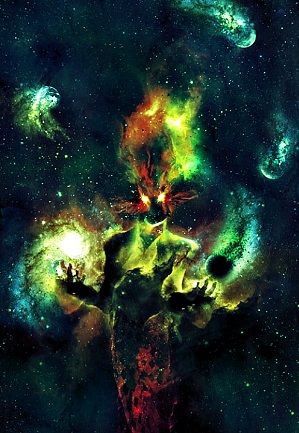
Bleach returns as a prestige anime
When Bleach debuted on TV Tokyo in October 2004, it carried the visual language of weekly Shonen Jump television. High-contrast digital colours, bright spiritual effects, dramatic close-ups and 4:3 framing suited a production expected to deliver new episodes almost continuously.
That schedule also exposed the limitations of the format. Like One Piece and Dragon Ball, Bleach had to produce substantial animation on a relentless timetable. Stories were extended, filler became unavoidable and visual quality could vary significantly between episodes. The priority was maintaining momentum rather than making every instalment feel like a major event.

Nearly two decades later, Bleach: Thousand-Year Blood War presents a very different proposition. Its final cour, The Calamity, has the scale and atmosphere of a dark-fantasy film released in weekly chapters. Studio Pierrot is not merely completing Tite Kubo’s story; it is applying years of accumulated experience and modern production techniques to the series’ biggest conflict.

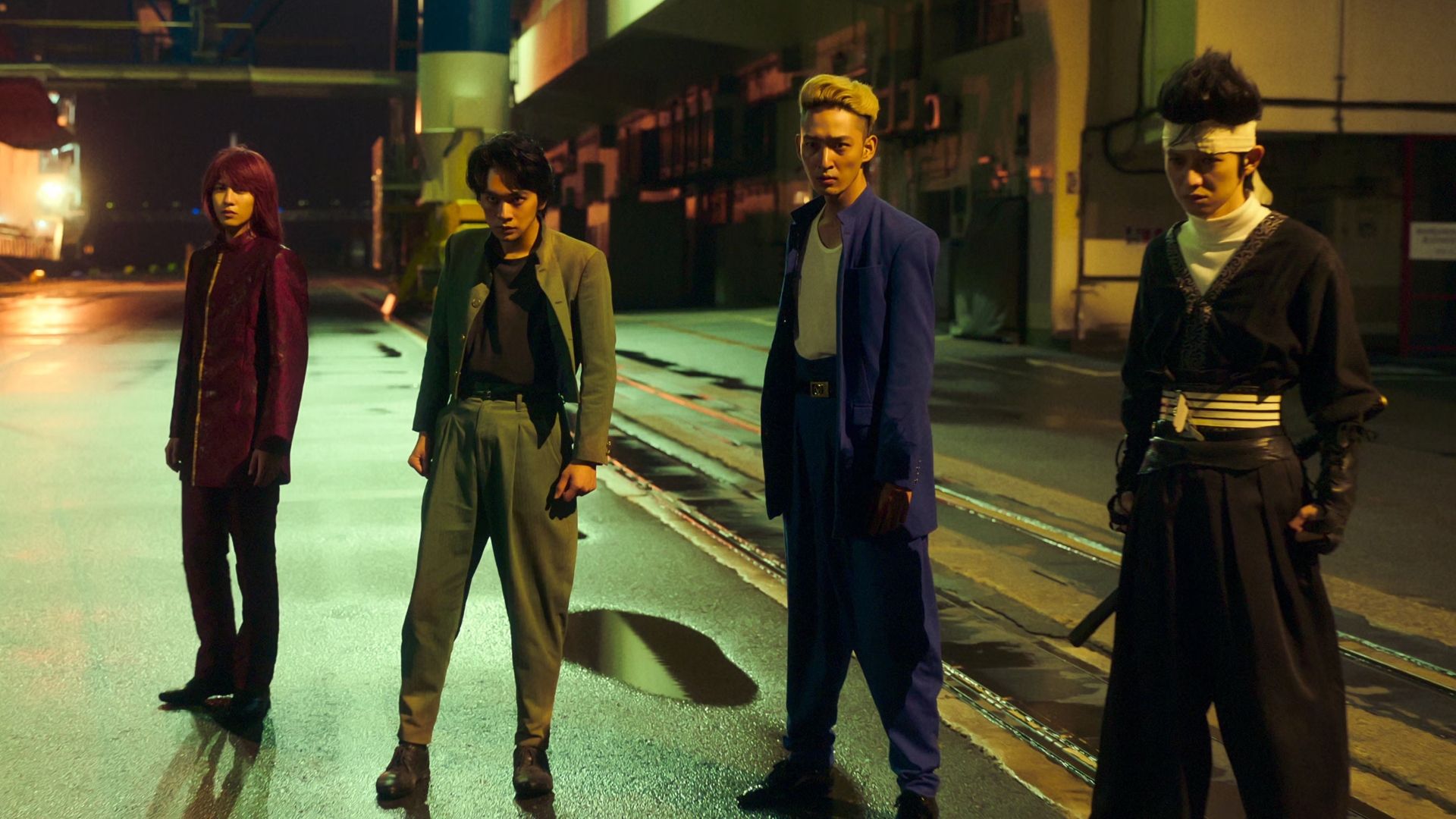
A darker, more cinematic Soul Society
Under director Tomohisa Taguchi, the adaptation moves away from the flatter, brighter presentation associated with the original television run. Deep shadows, directional lighting, smoke, fog, fire and debris create a stronger sense of depth. Soul Society feels less like a set of backgrounds and more like a vast, damaged world enduring the consequences of war.


This approach also suits Kubo’s artistic priorities. His manga places considerable emphasis on fashion, silhouettes, character shapes and negative space. The earlier anime could capture those qualities, but its weekly schedule often demanded speed over careful composition. The new episodes can pause on a character’s outline, place Ichigo against an enormous battlefield or then cut sharply to an intimate, intensely animated close-up.

Bleach meets the modern blockbuster standard
Demon Slayer and Jujutsu Kaisen have helped reset expectations for blockbuster shonen anime. Their standout episodes use cinematic staging and feature-film-level spectacle, making presentation a central part of the experience. Thousand-Year Blood War now operates in that same space, but it does not feel like an older franchise attempting to copy its successors. Its long history and Pierrot’s experience give the revival a distinct foundation.
That studio background is unusually substantial. Pierrot has produced Naruto, Naruto Shippuden, Yu Yu Hakusho, Black Clover, Boruto and many other influential shonen series. The final Bleach arc benefits from that institutional knowledge, combined with a production model that is less visibly constrained by the constant pressure of weekly delivery.

The action is certainly capable of erupting when the story demands it, but control is the more impressive achievement. Oppressive lighting, a restrained palette, widescreen framing, heavier sound design and Shiro Sagisu’s sweeping score work together rather than competing for attention. The result is not simply “better animation”; it is a more confident understanding of how to make Bleach feel powerful.
A legacy series with fresh authority
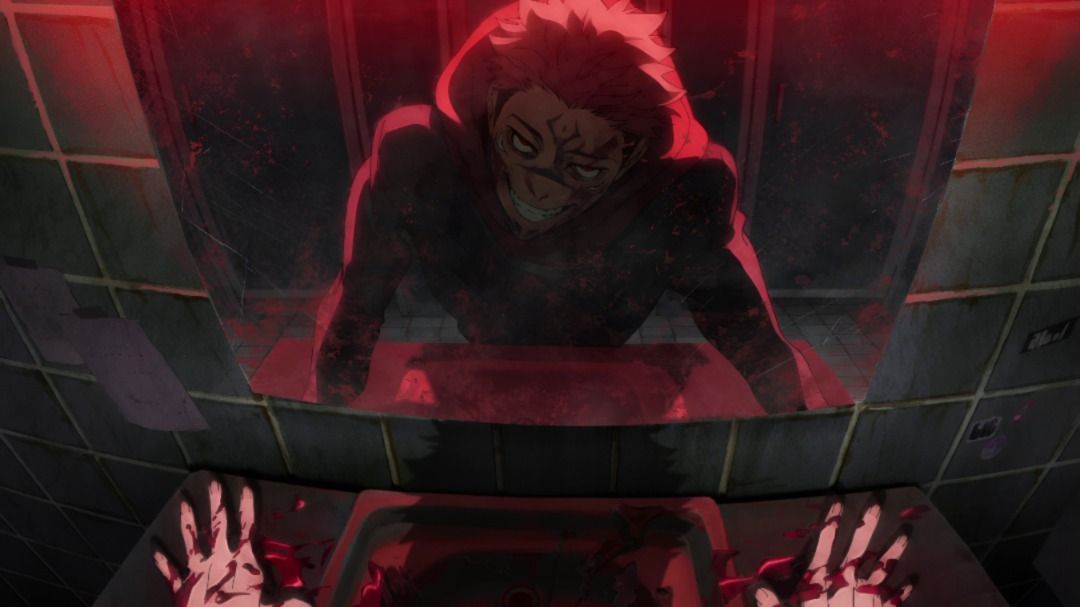


The most satisfying aspect of this return is that Bleach does not need to defeat Demon Slayer or Jujutsu Kaisen on their terms. Twenty years after its first appearance, it has shifted from a familiar weekly series into a prestige event. Rather than being treated as a relic, the franchise is demonstrating that its characters, visual identity and long-running story still belong in anime’s top tier.
For readers who enjoy the visual drama of anime-inspired games, the same appreciation for spectacle can carry into a dedicated home setup. RETROCADE’s Arcade Blog covers arcade and gaming culture, while its arcade machines provide a practical starting point for building a home entertainment space. Those comparing room size and cabinet styles can also consult the Arcade Machine Buying Guide or consider compact bartop arcades.
New episodes of Bleach: Thousand-Year Blood War release on Hulu and Disney Plus on Saturdays at 10:30 a.m. ET.


Leave a Reply