



Transport Fever 3 is emerging as a compelling alternative for players who enjoy city builders but want transport networks, logistics and ongoing management to remain central. Urban Games’ upcoming simulator has attracted attention through a features trailer that highlights a more demanding approach to growing settlements.
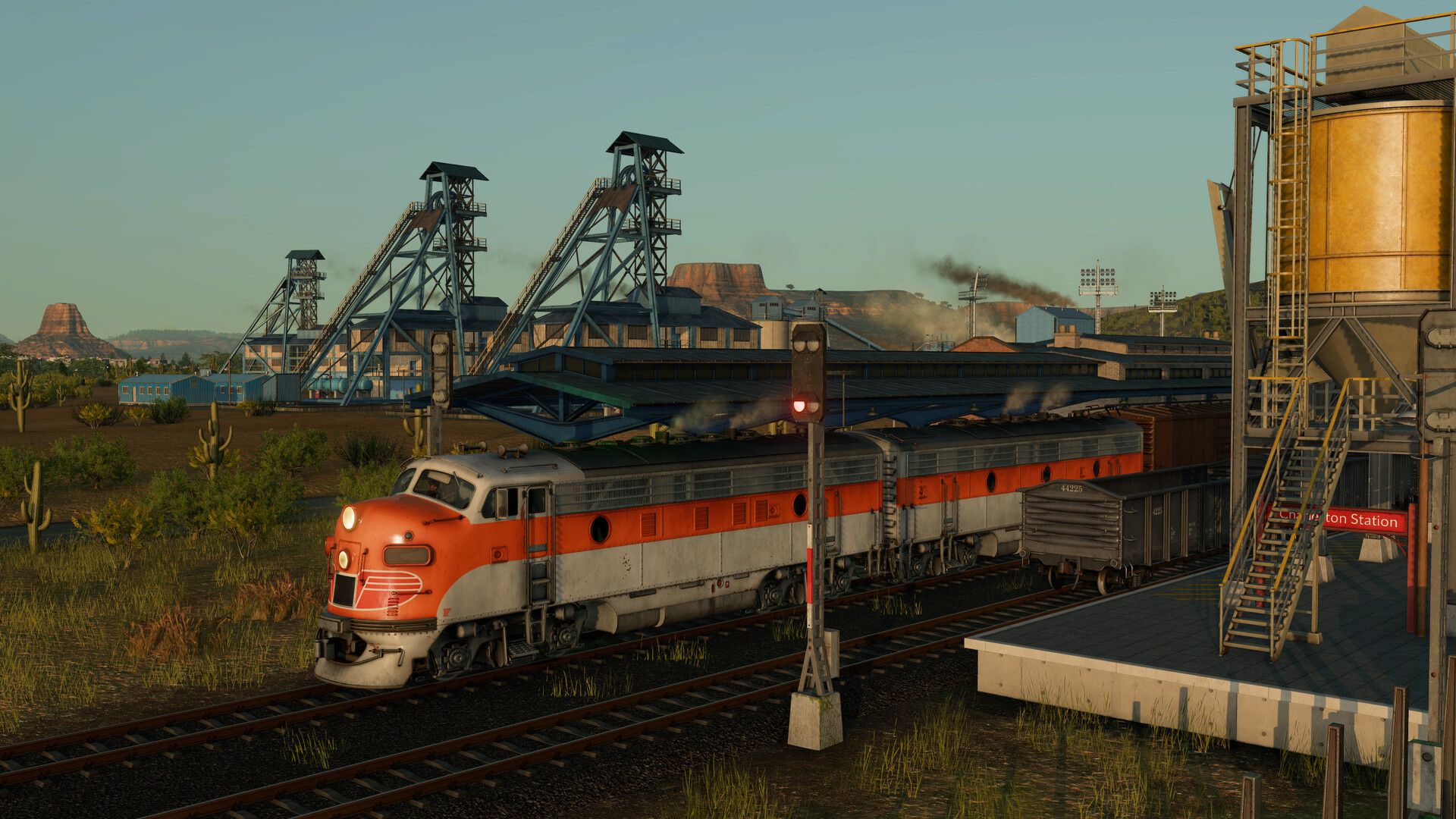
It is not a direct replacement for Cities: Skylines. The series is primarily a tycoon and logistics game, with urban development built around the transport systems that connect industries, towns and residents. A successful network moves goods efficiently, gets passengers where they need to go and creates the conditions for a small settlement to become a major city.
Transport Fever 3 puts pressure on city management

Urban Games appears to be placing greater emphasis on the day-to-day management of a growing city. Population growth will still depend on supplying industries and keeping traffic moving, but residents now have additional reasons to become unhappy.
Noise and environmental pollution are part of the challenge, alongside the usual concerns about congestion and access to goods. Industrial districts can create pollution, while trains and other infrastructure generate noise. These effects are not limited to the urban centre, either: a depot or airport placed in the countryside may upset residents by damaging the surrounding rural landscape.

The trailer also suggests that problems will become more difficult to ignore as settlements expand. A medium-sized city may run smoothly for a while, but upgrading roads and extending transport networks can introduce fresh complications. That continuing pressure could make established districts require more attention than they typically do once they have been optimised in other city-building games.

Smarter freight planning and more flexible roads
Transport choices appear to depend on more than simply finding the fastest route. Players will need to consider which road and rail types suit particular industries, as well as how quickly different cargo must arrive. Food benefits from dependable, rapid delivery, while fuel and less essential goods can tolerate slower transport.

That approach reinforces the game’s central idea: there may be no perfect network, only a series of compromises that keeps most people and businesses satisfied. Road types will have different strengths and weaknesses, making infrastructure planning a balancing exercise rather than a search for one universally correct solution.
Road construction is also intended to be more adaptable. Instead of relying on large pre-built junctions for anything beyond a basic four-way intersection, players will reportedly have more control over how roads meet. Busy crossings can include adjustable traffic-light patterns, traffic-flow controls and lanes reserved for turning movements.

Industries, demand and the environmental question
Industry development is set to become more dynamic. New industries may appear according to a location’s resources and local demand, while a prospecting option will help players investigate potential sites and markets before committing to expansion.
This could make production planning more significant, particularly for players who enjoy how industry-focused systems can reshape trade routes and encourage new settlements. The environmental side of the game is less convincing from the material shown so far. A “greenification” option appears to involve spending money to resolve environmental problems, which may feel more like a straightforward button press than a deep strategic choice.
The features trailer offered only a selection of the systems planned for Transport Fever 3, so the full depth of its environmental mechanics remains unclear. Further detail from Urban Games will be important, especially for players weighing it against established arcade and gaming news about management-focused releases.
A promising strategy game still needs a release date

Transport Fever 3 has not yet received a release date in the supplied material. Its combination of transport logistics, industry growth, traffic control and more demanding environmental consequences nevertheless gives it a strong identity.

For Australian strategy fans who enjoy planning systems and watching a network evolve, it is one to keep on the radar. The game may not replace a traditional city builder in every respect, but its focus on infrastructure and the consequences of expansion could provide the sustained management challenge that some players want from the genre.

Until Urban Games confirms when it will launch, the trailer leaves a promising question: can Transport Fever 3 turn transport planning into the main event while still delivering the satisfaction of building a thriving city?
For more hands-on gaming and hardware coverage, explore RETROCADE’s arcade videos, browse arcade machines, or use the arcade machine buying guide when planning a home gaming setup.


Leave a Reply