


A Knight of the Seven Kingdoms takes a smaller, more grounded approach to Westeros, using natural light, outdoor locations and carefully managed shadows to create a distinct visual identity.


A smaller world with its own visual language
Seven months after the first season of A Knight of the Seven Kingdoms ended, House of the Dragon returned to HBO with the larger battles and grand spectacle associated with the franchise. Its third season concluded with a major battle, while another action-focused season is planned for 2028.
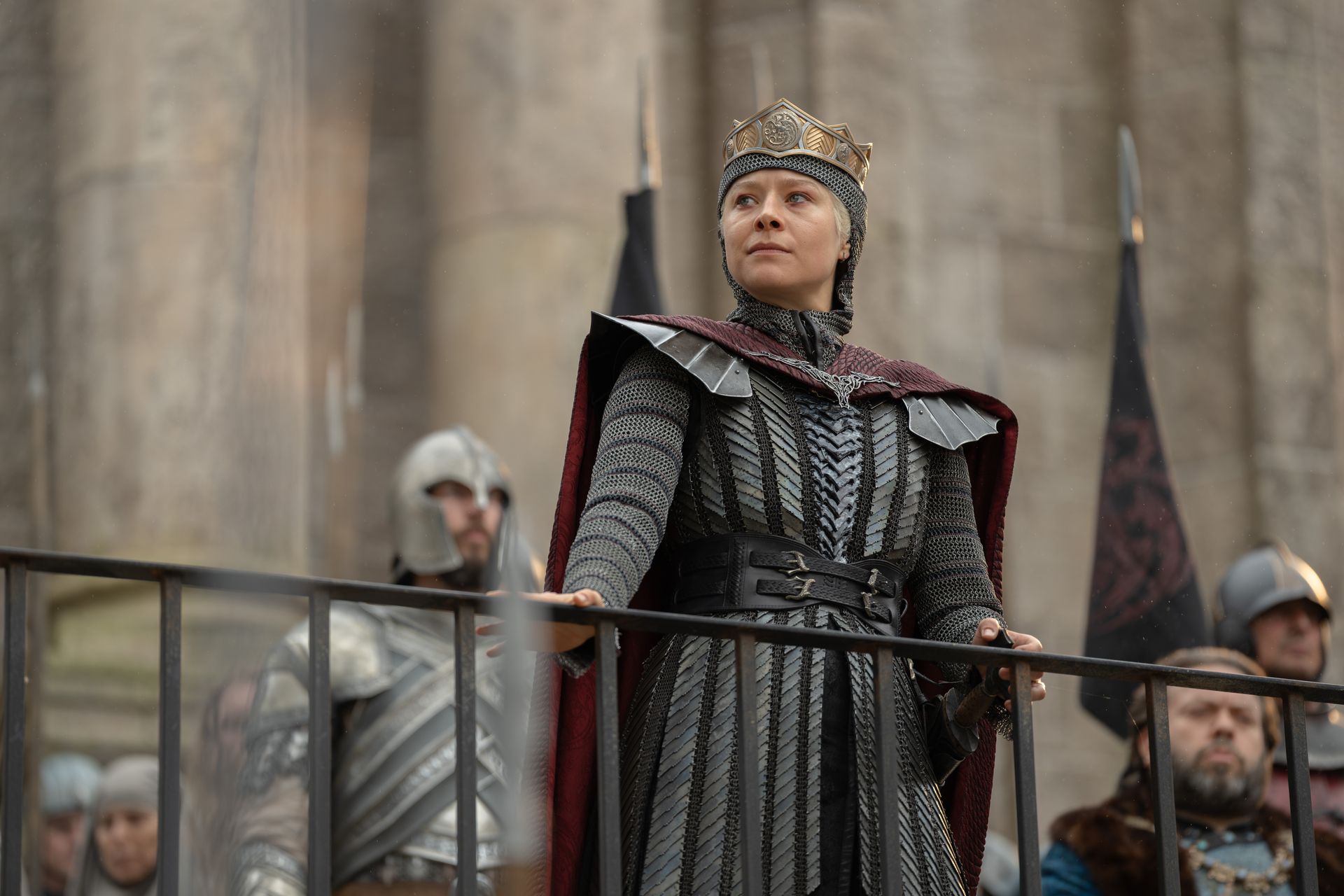
By comparison, the Dunk and Egg story deliberately worked on a more modest scale. Cinematographer Gustav Danielsson says the production wanted to show that Westeros could exist beyond traditional epic fantasy. Around 90 per cent of the series was filmed outdoors in Northern Ireland, favouring forests, mountains and muddy terrain over elaborate studio sets.
The unpredictable Belfast weather created practical problems, but it also helped Danielsson and director Owen Harris pursue a more naturalistic look. Danielsson, whose first-season work earned an Emmy nomination for season 1, describes the series as connected to the wider franchise while remaining its own world.
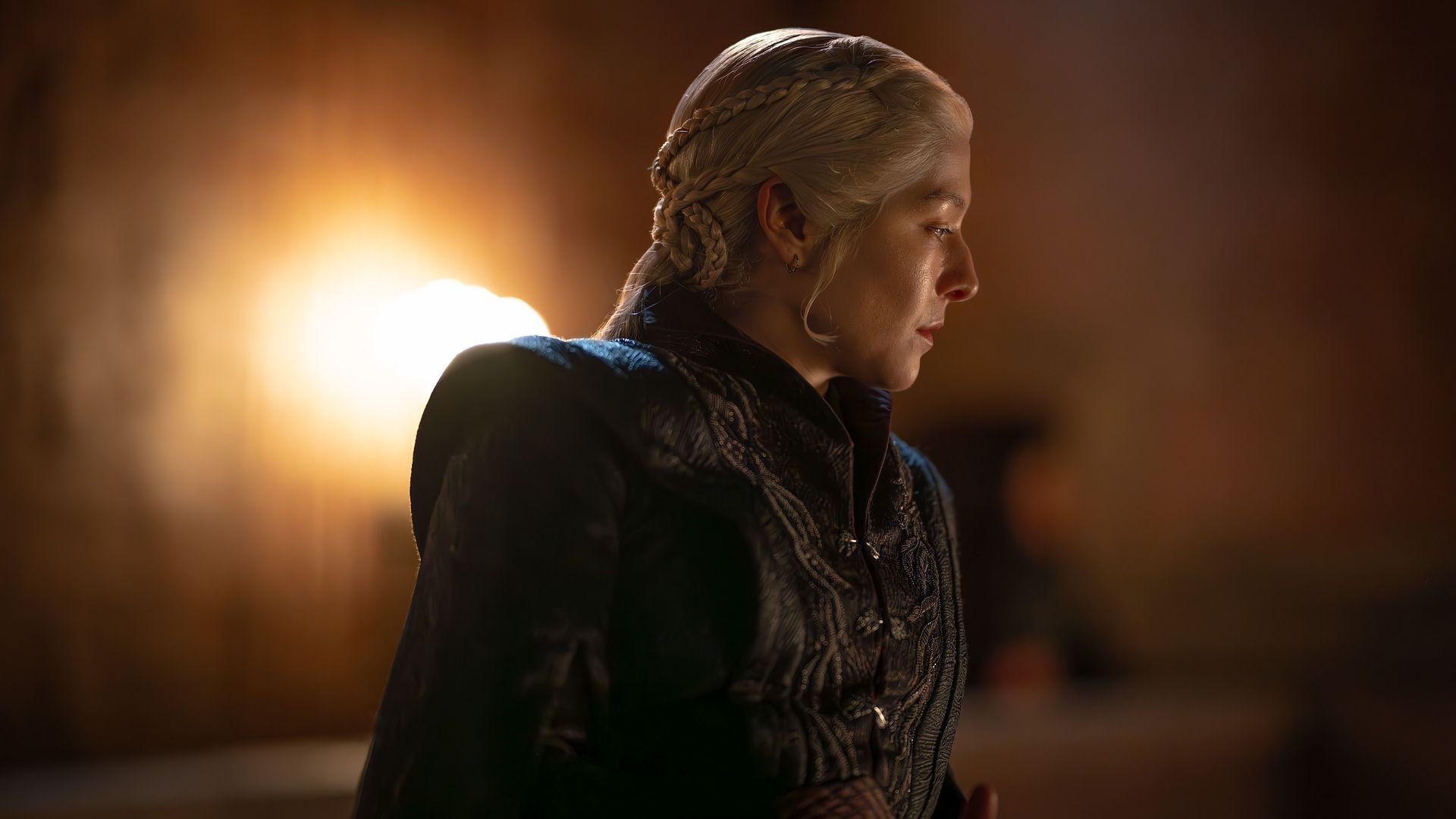
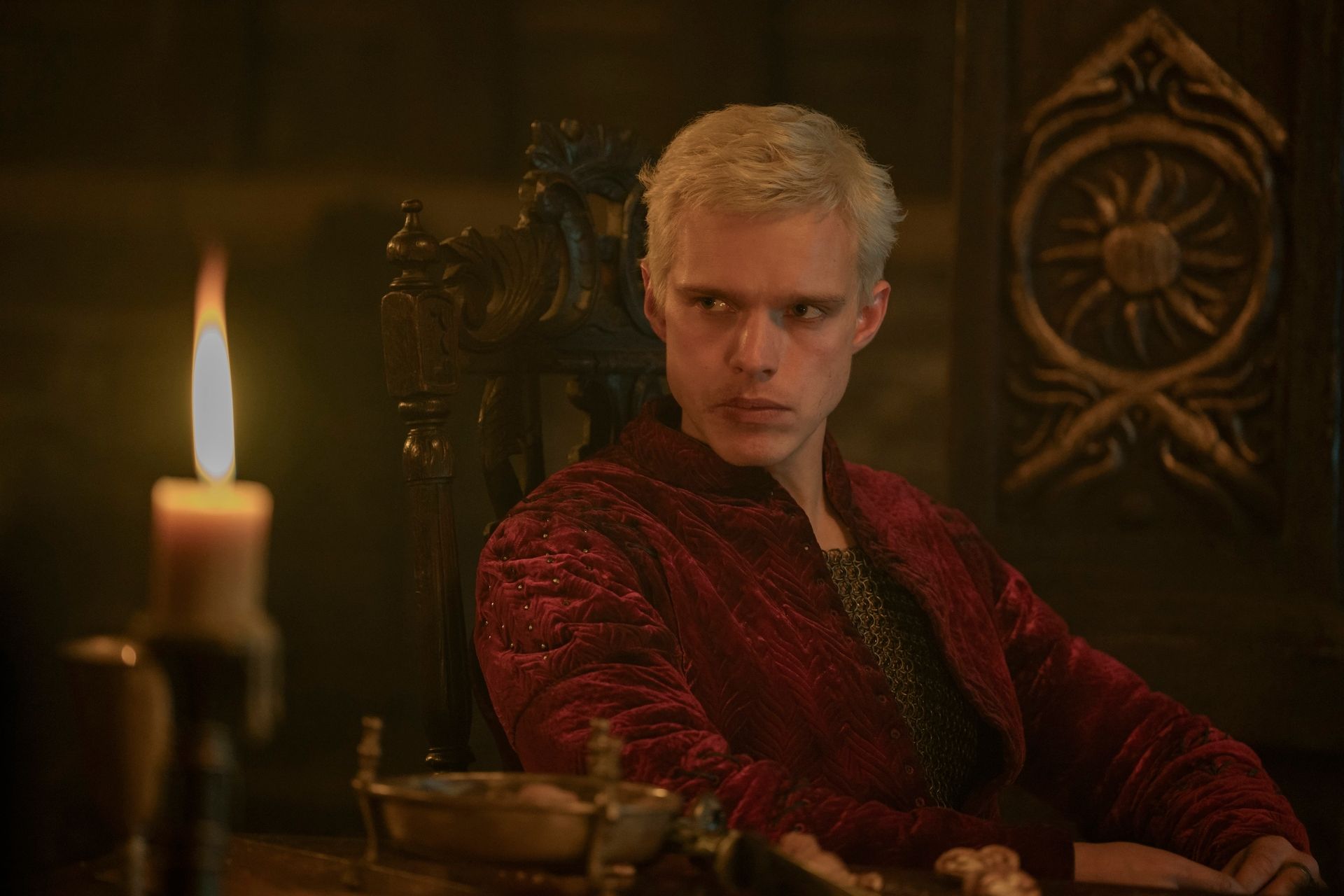
“It’s never pitch black because your eyes adapt and you start seeing stuff,” Danielsson says. The aim was darkness that still allowed viewers to see what was happening.
That kind of visual experimentation can be as important in a screen adaptation as cabinet design is in an arcade. RETROCADE readers can explore more industry coverage in the Arcade Blog or watch related material through Arcade Videos.

Making naturalism look effortless
Even a scene that appears spontaneous can require days of coordination. Horses, performers, extras, large lighting rigs and multiple camera units all had to work together. The battle sequence in episode 5 took at least two weeks to film.
The creative team wanted the action to resemble early morning. Mist machines, wind effects and visual effects added later were combined to produce that atmosphere. The production also encountered a less predictable challenge: fake blood made from sugar attracted wasps. Danielsson says some of the insects can be seen in the finished footage, with the filmmakers occasionally choosing to leave them in rather than remove every trace of the real environment.

Why the darkness mattered
Lighting became a particular concern because earlier entries in the franchise had drawn complaints about scenes appearing too dark. Danielsson says HBO was significantly worried that A Knight of the Seven Kingdoms might lose detail in the shadows, even though he, Harris and showrunner Ira Parker wanted a genuinely dark setting.
The target was not the brightly lit nighttime commonly seen in fantasy television. Instead, the team wanted to recreate the experience of being outdoors after sunset: dark, but not completely black, because human eyes gradually adjust to low light.
This balance was managed with more than instinct. Danielsson and colourist Tim Drewett developed a specific camera look with a film-like quality. On set, Danielsson could compare that finished appearance with the raw digital negative to check whether important shadow detail remained. Digital Imaging Technician Cel Bothwell Fitzpatrick also monitored the footage and could flag shots that were becoming too dark.
Testing the image for real homes
HBO added another layer of quality control by testing the series on televisions configured in different ways. Danielsson says the engineers used a room full of varied sets to approximate the range of screens viewers might have at home. After those checks, he maintained that the finished images were not too dark.
The result was intended to feel consistent with a world shaped by candles and sunlight, while remaining more connected to the land than the larger productions that came before it. Rather than creating a bigger or brighter Westeros, the team created a different one.
For readers considering how visual presentation affects an entertainment setup, RETROCADE’s Arcade Machine Buying Guide offers practical advice on choosing a cabinet. Those planning a custom project can also browse DIY Arcade Kits and Arcade Parts.


Leave a Reply