


The End of Oak Street turns suburbia into a dinosaur survival story
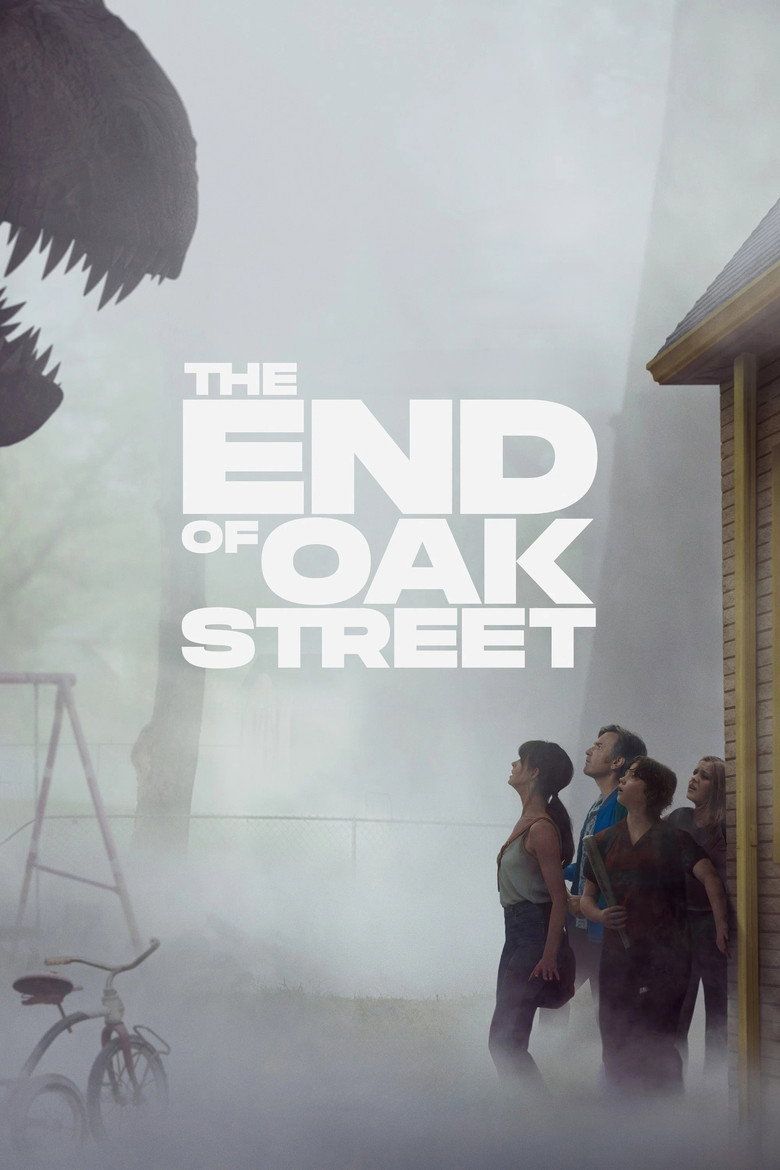
David Robert Mitchell’s The End of Oak Street takes a familiar suburban setting, sends it through a wormhole into prehistory and builds an entertaining adventure from the fallout. The result is a dinosaur film with clear echoes of classic Amblin-era family blockbusters, even if its human drama is less convincing.
The film arrives during a year when filmmakers have been revisiting the tone of Steven Spielberg’s science-fiction and adventure work. Mitchell, best known for It Follows and Under the Silver Lake, approaches that tradition through a strange combination of domestic tension, time travel and enormous prehistoric creatures.

A family caught in the wrong era
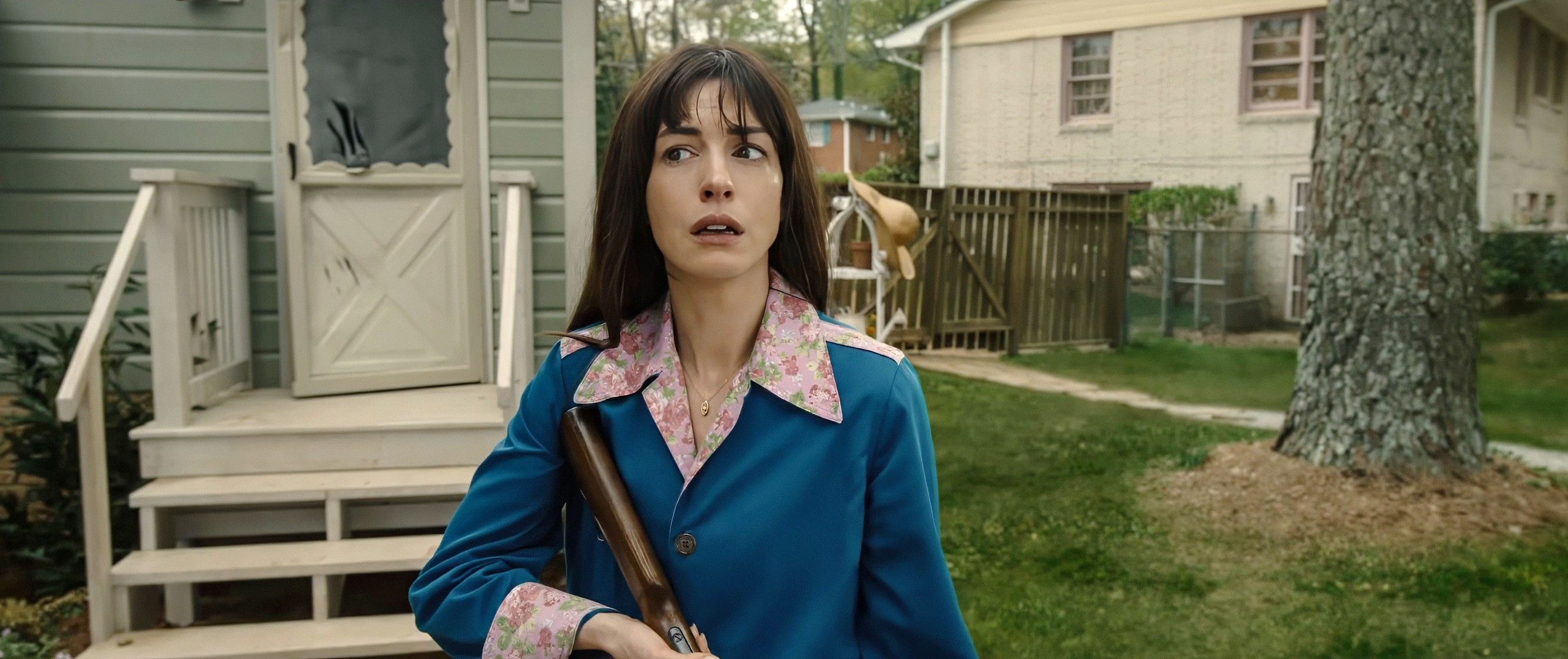
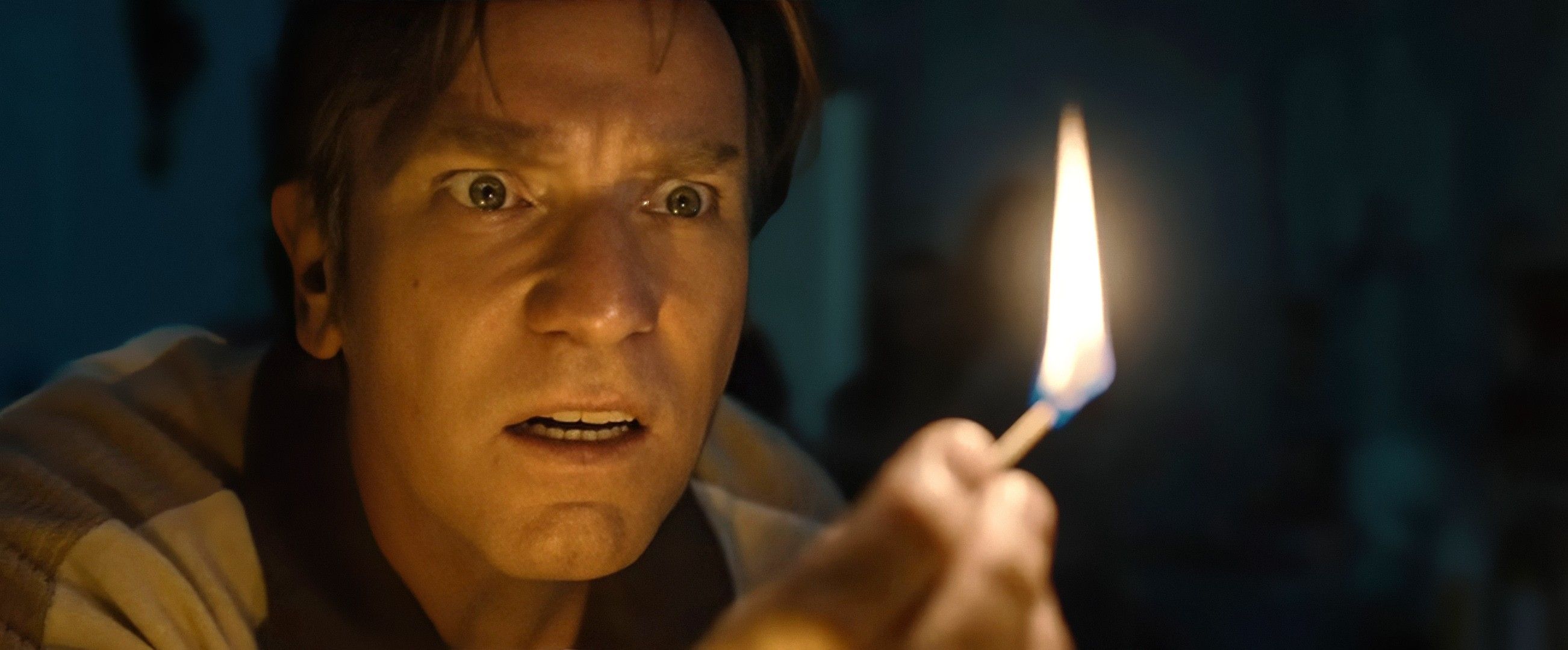
Anne Hathaway and Ewan McGregor play Denise and Greg Platt, a couple in their forties whose marriage is already under strain before their neighbourhood is displaced in time. Greg has a concealed drinking problem and works nights delivering pizzas, while Denise is writing a novel that openly imagines leaving her family behind.
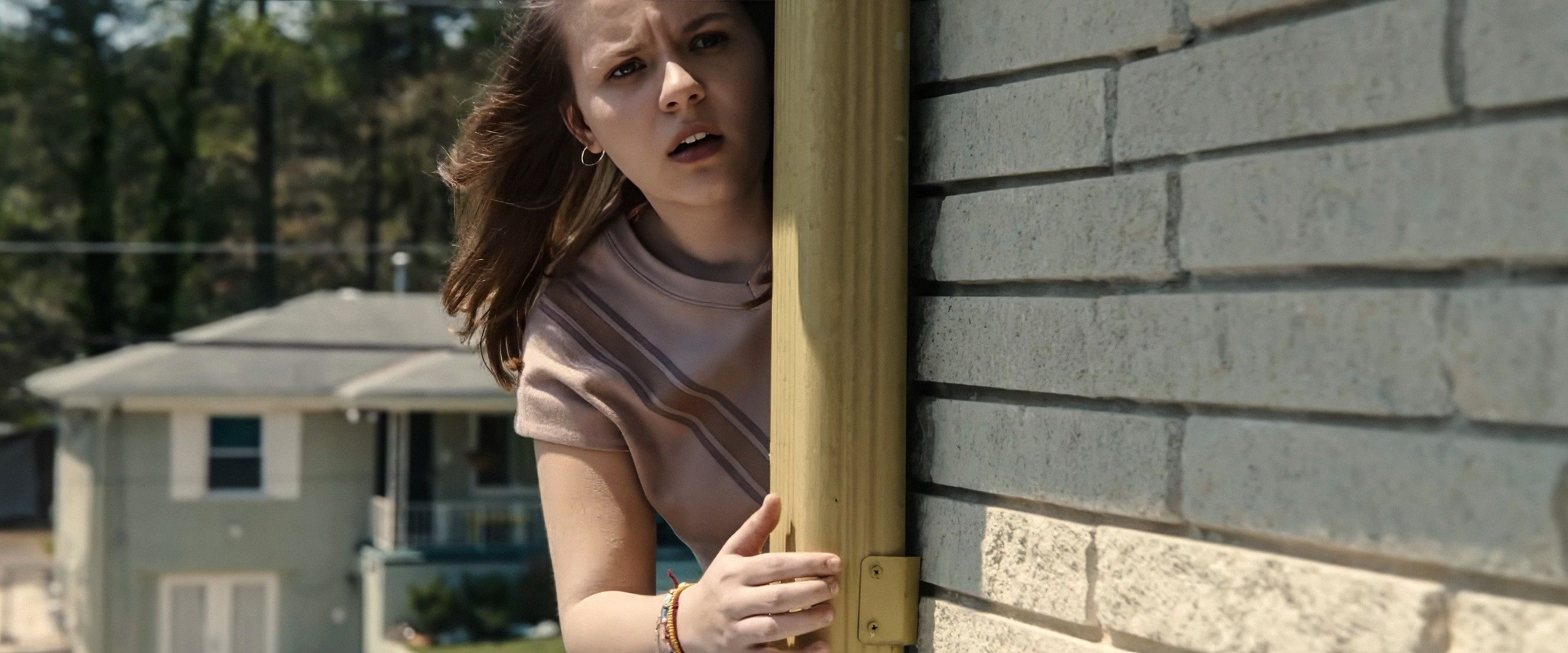
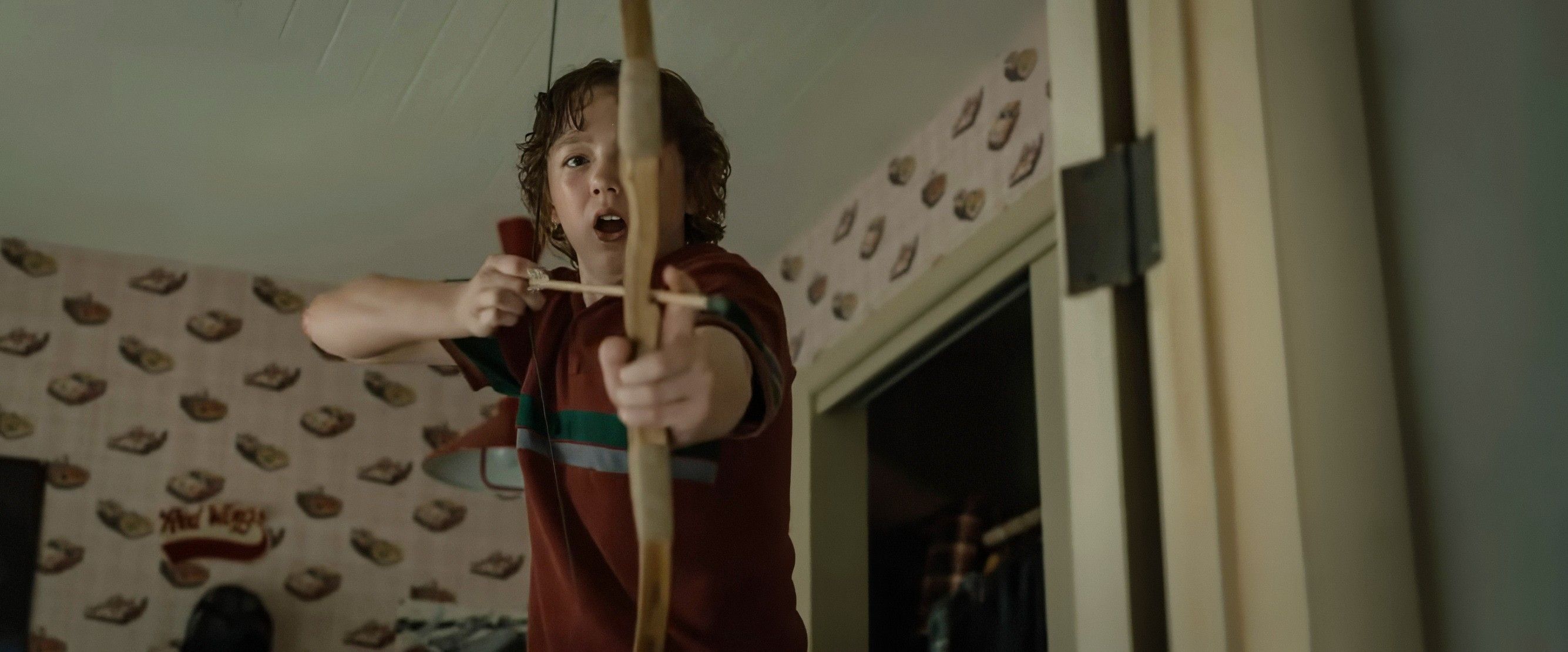
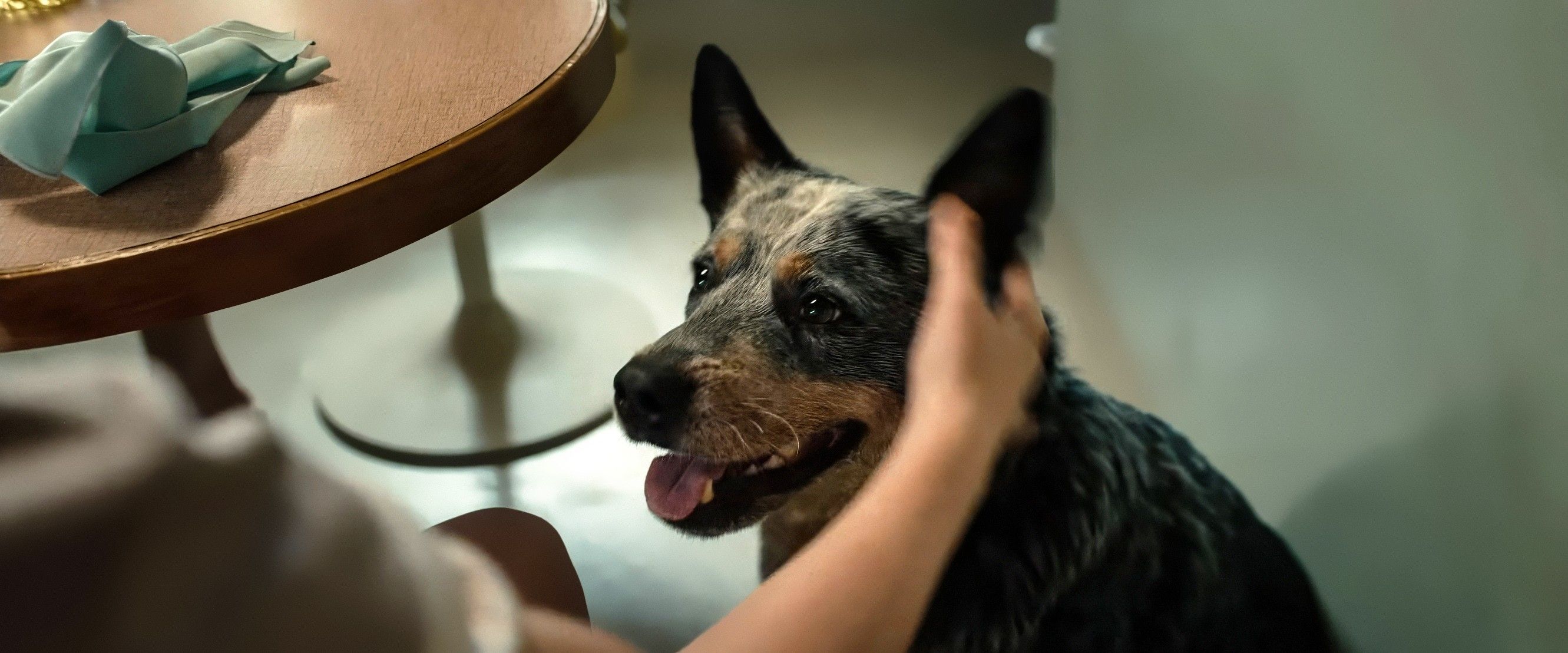
Their daughter Audrey, played by Maisey Stella, has just finished high school and hopes to attend Cornell to study astronomy with Carl Sagan as her inspiration. Her parents cannot afford the tuition, adding another pressure to an already difficult home life. Their son Brian, portrayed by Christian Convery, is a troubled teenager who smokes and repeatedly lashes out. The family dog, oddly named Starbuck, completes the household.


Oak Street becomes a prehistoric danger zone
Mitchell delays the full explanation of what has happened. The first signs are unsettling rather than spectacular: a plant from another age, an absurdly large mound of dung and hot water erupting through a crack in the road. A huge tail slips from view, followed by a feathered face that is far too large to belong to any modern bird.
Before long, the ordinary streets have become a dinosaur habitat. The gradual reveal gives the film some of its strongest suspense, although extensive dinosaur-focused promotion means many viewers will already know where the premise is heading.


Remarkable creatures, uneven characters
The dinosaurs are the film’s greatest strength. Their feathers and fuzzy coverings reflect current understanding of dinosaur appearance without softening their menace. These animals are not merely background attractions: they repeatedly kill and eat people, and the film embraces the crowd-pleasing shock of those attacks.
Mitchell also gives the creature department room to experiment. Among the more unusual designs are a group of huge rocky turtles and a silent, snake-like predator as long as a train, complete with rows of unnaturally sharp teeth.

The Platt family is less successful. Hathaway and McGregor remain appealing performers, but Denise and Greg never develop the spark their difficult relationship requires. Audrey mainly exists to explain the film’s ideas about quantum physics and wormholes, which remain deliberately vague. Brian is introduced as a rebellious teenager but spends much of the story complaining or crying.
The rest of the displaced neighbourhood is populated by recognisable types: an ’80s-style bully, a friendly new girl and an irritating neighbour. There is a promising idea in showing these social roles collapse during a crisis—the bully even breaks down during an attack—but the screenplay does not explore that thought deeply enough.
A spectacle-first adventure
Mitchell has demonstrated stronger character work in his earlier films, suggesting that the limited emotional development here is intentional. His priority is the spectacle: one large-scale suburban set piece after another, with the Platts constantly forced to run, hide and improvise.
That focus keeps The End of Oak Street moving. The film contains the ingredients of a great family adventure, but it does not always arrange them with the emotional precision of its influences. Fortunately, the momentum and creature work make the shortcomings easy to overlook.

A rousing final act
The film eventually offers an explanation for the neighbourhood’s bizarre displacement before building towards a finale large enough to compensate for several earlier weaknesses. Its biggest emotional release arrives through a moment of unabashed adventure cinema involving a heroic dog.
The End of Oak Street does not recreate the exact magic of classic ’80s Spielberg, and even Spielberg’s own recent science-fiction work has not fully returned to that earlier mood. Mitchell’s film nevertheless comes surprisingly close, delivering a lively dinosaur spectacle with enough oddness to make it distinctive.
For readers exploring the crossover between screen spectacle and interactive entertainment, RETROCADE’s arcade news and editorial coverage offers more retro-gaming context. Those considering a dinosaur-themed home setup can start with the Arcade Machine Buying Guide, browse available arcade cabinets or look at arcade light guns for shooter-style play.
The End of Oak Street premieres in Australian cinemas on Friday, August 14, 2026.


Leave a Reply