


Space opera reading list: Ten novels and series deliver huge interstellar stakes, alien mysteries, political intrigue and unforgettable characters for readers who enjoy Star Wars or Dune.
![The vanished birds + Ancillary Justice + The Mercy of Gods [3 books 16gzo5q]](https://www.retrocade.store/wp-content/compressx-nextgen/uploads/2026/08/the-vanished-birds-ancillary-justice-the-mercy-of-gods-3-books-16gzo5q-98e6d8657a.jpg.avif)
Space opera is science fiction on a grand scale: stories that move between planets, civilisations and competing powers. Frank Herbert’s Dune novels and the Star Wars films are among its best-known examples, but the wider field also includes influential work by Isaac Asimov, Larry Niven, Dan Simmons and Iain M. Banks.
The books below cover a broad range of approaches. Some centre on battles and empires, while others focus on artificial intelligence, climate change, cultural identity, found family or the consequences of first contact. If you are choosing a new arcade machine buying guide for a dedicated games room, these are the kind of expansive worlds that can provide plenty of reading inspiration during planning breaks.
Peter F. Hamilton: Pandora’s Star (2004)
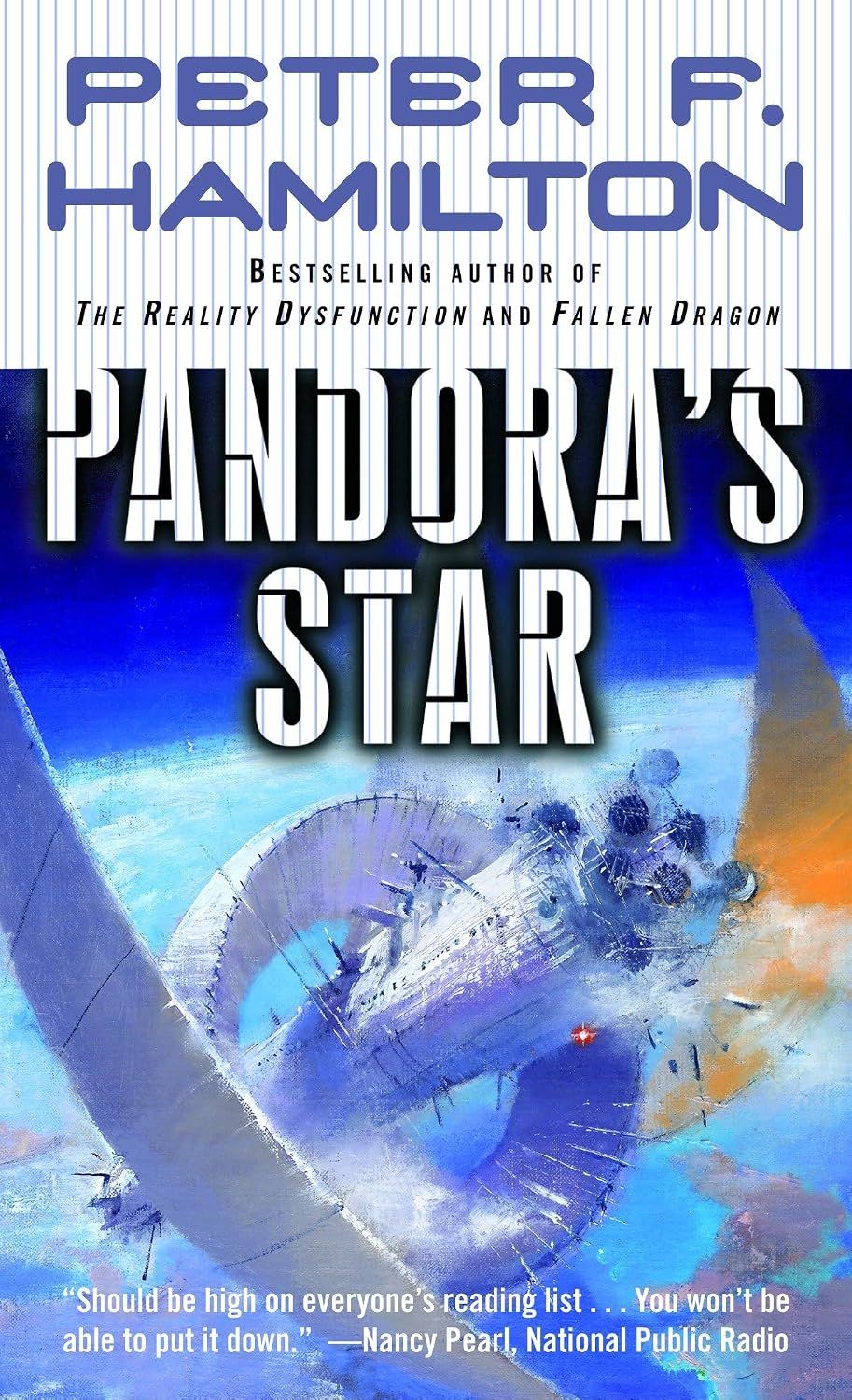
Peter F. Hamilton combines space opera with cyberpunk and cosmic horror in Pandora’s Star. After an astronomer notices that two stars appear to have vanished, humanity constructs its first interstellar ship to investigate. The expedition uncovers a mystery that should perhaps have remained untouched, releasing a terrifying threat.
Along the way, the novel develops storylines involving enigmatic aliens, clones and artificial intelligence. The wider arc reaches a satisfying conclusion in the sequel, Judas Unchained.
James S. A. Corey: Leviathan Wakes (2011)
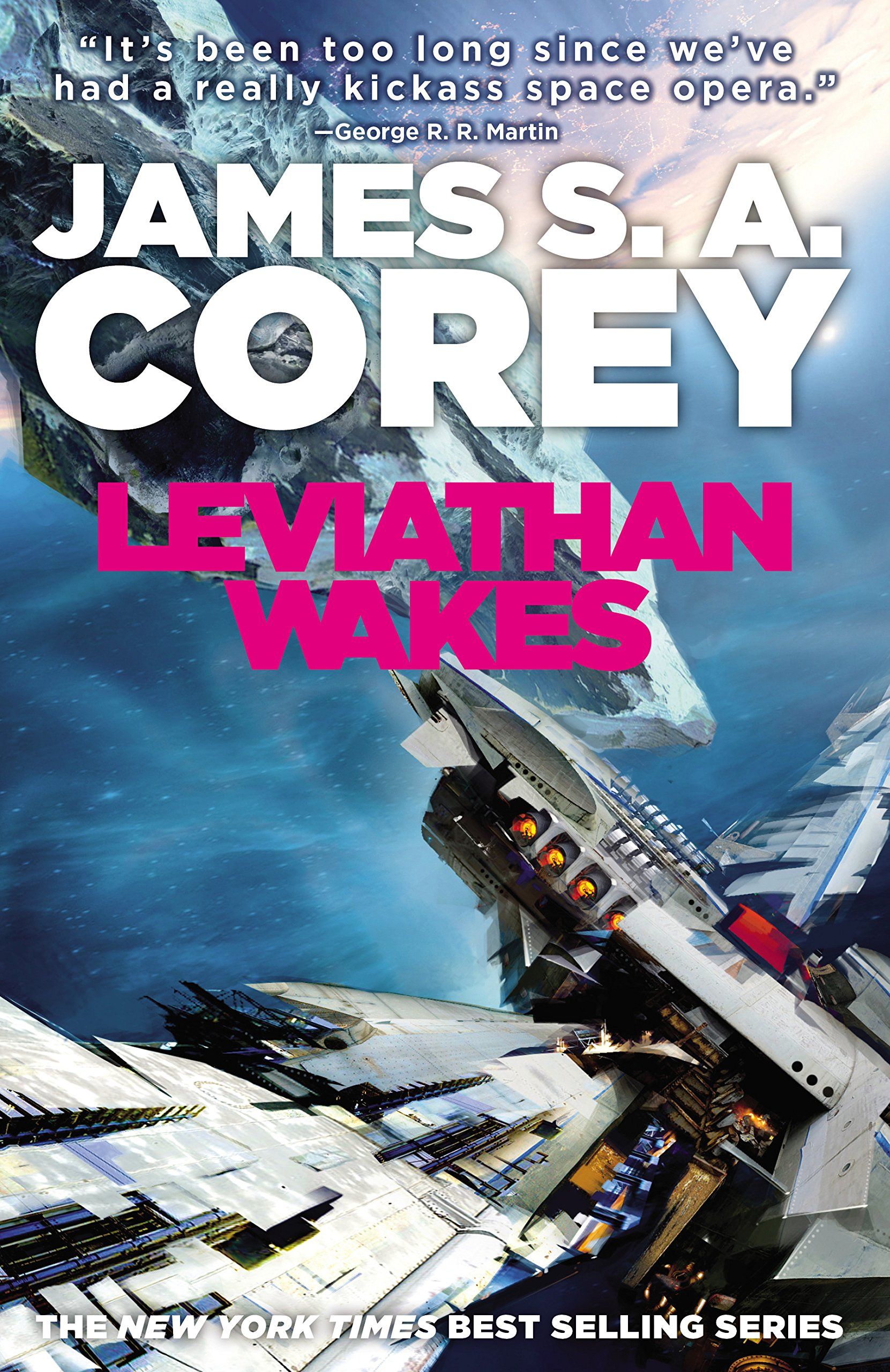
Leviathan Wakes is the first book in The Expanse, written by Daniel Abraham and Ty Franck under the shared name James S. A. Corey. The authors received Hugo and Locus award nominations for the novel, which was later adapted into a highly regarded science-fiction television series.
Humanity has colonised the Solar System, but its fragile political balance is threatened by the discovery of mysterious alien technology called the protomolecule. Several factions race to control and understand it, setting off a war with consequences for humanity’s future and its place in the universe.
Kim Stanley Robinson: 2312 (2012)
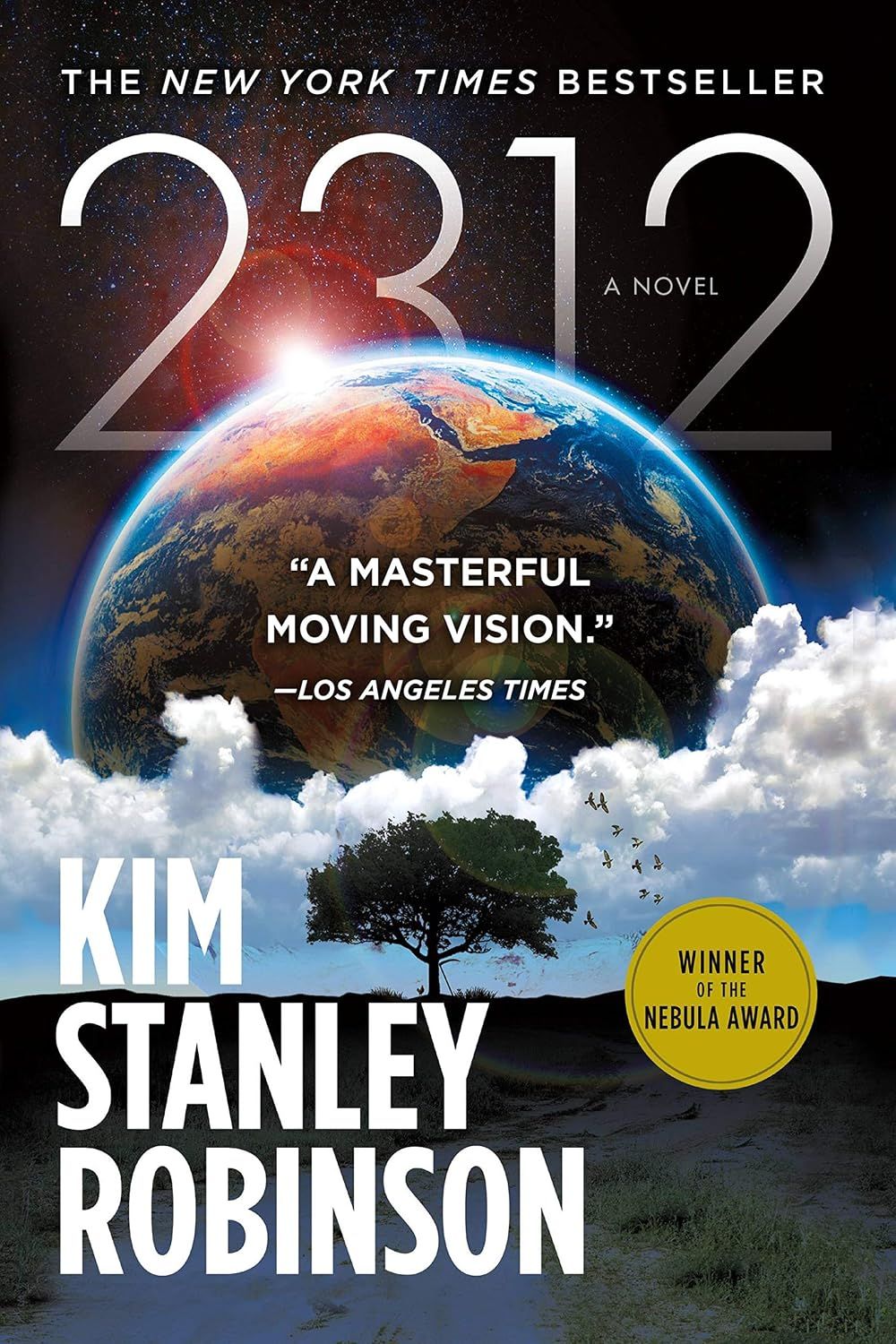
Best known for the Mars trilogy he wrote during the 1990s, Kim Stanley Robinson turned his attention to the wider Solar System with the Nebula Award-winning 2312. Earth has been badly damaged by climate change, while people have established new ways to live across neighbouring worlds.
When a meteorite strikes the mobile city of Terminator, the destruction exposes a conspiracy involving quantum computing. The scheme could threaten the survival of the species.
Ann Leckie: Ancillary Justice (2013)
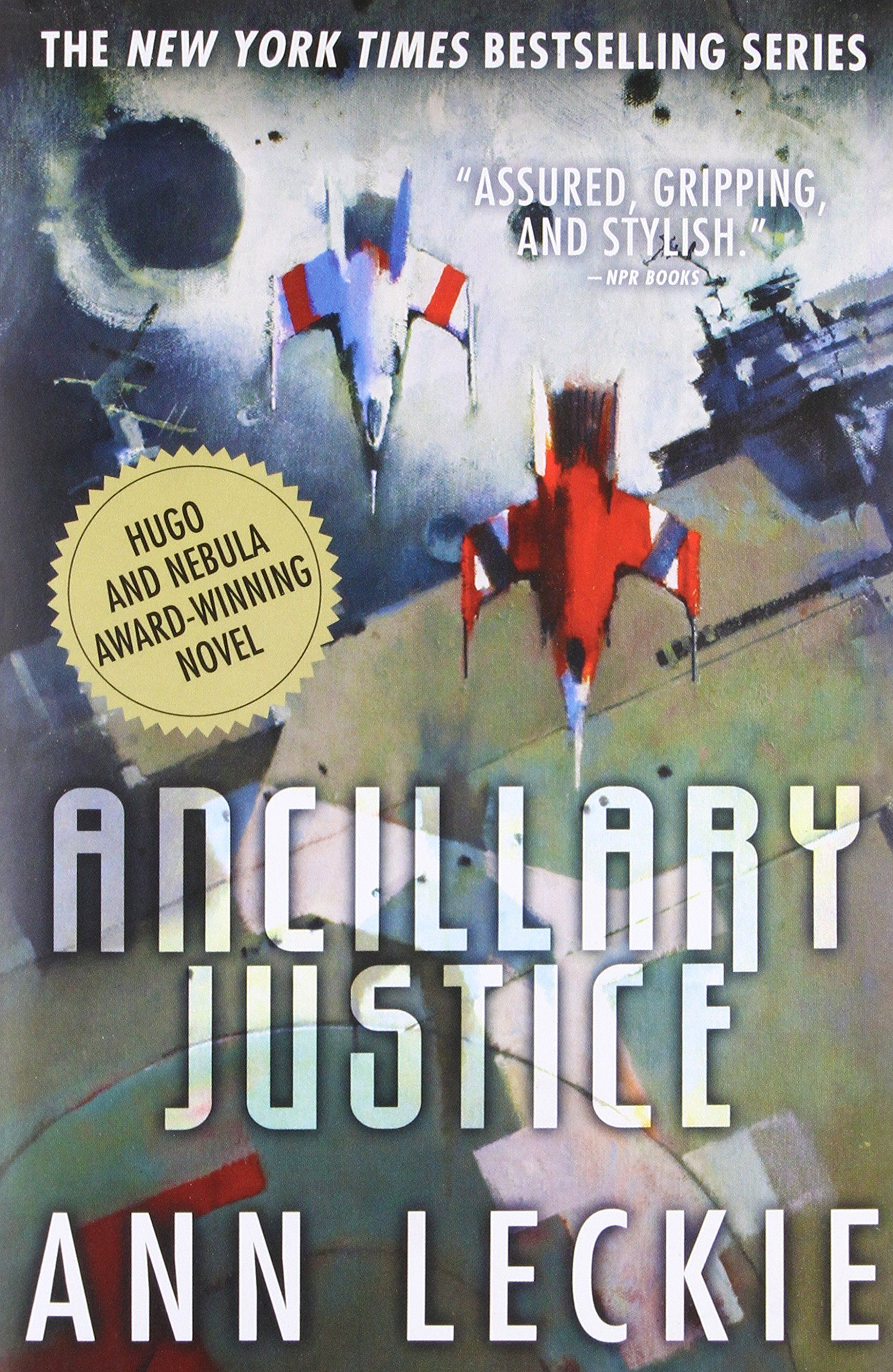
Ann Leckie’s Ancillary Justice is the only novel to win the Hugo, Nebula and Arthur C. Clarke awards. It introduces the Imperial Radch, an empire whose expansion is supported by AI-powered warships distributed across numerous human bodies.
Breq is the sole surviving ancillary after the destruction of the Justice of Toren. Her pursuit of revenge for the ship’s crew leads to a concealed conflict at the centre of the empire.
Becky Chambers: The Long Way to a Small, Angry Planet (2014)
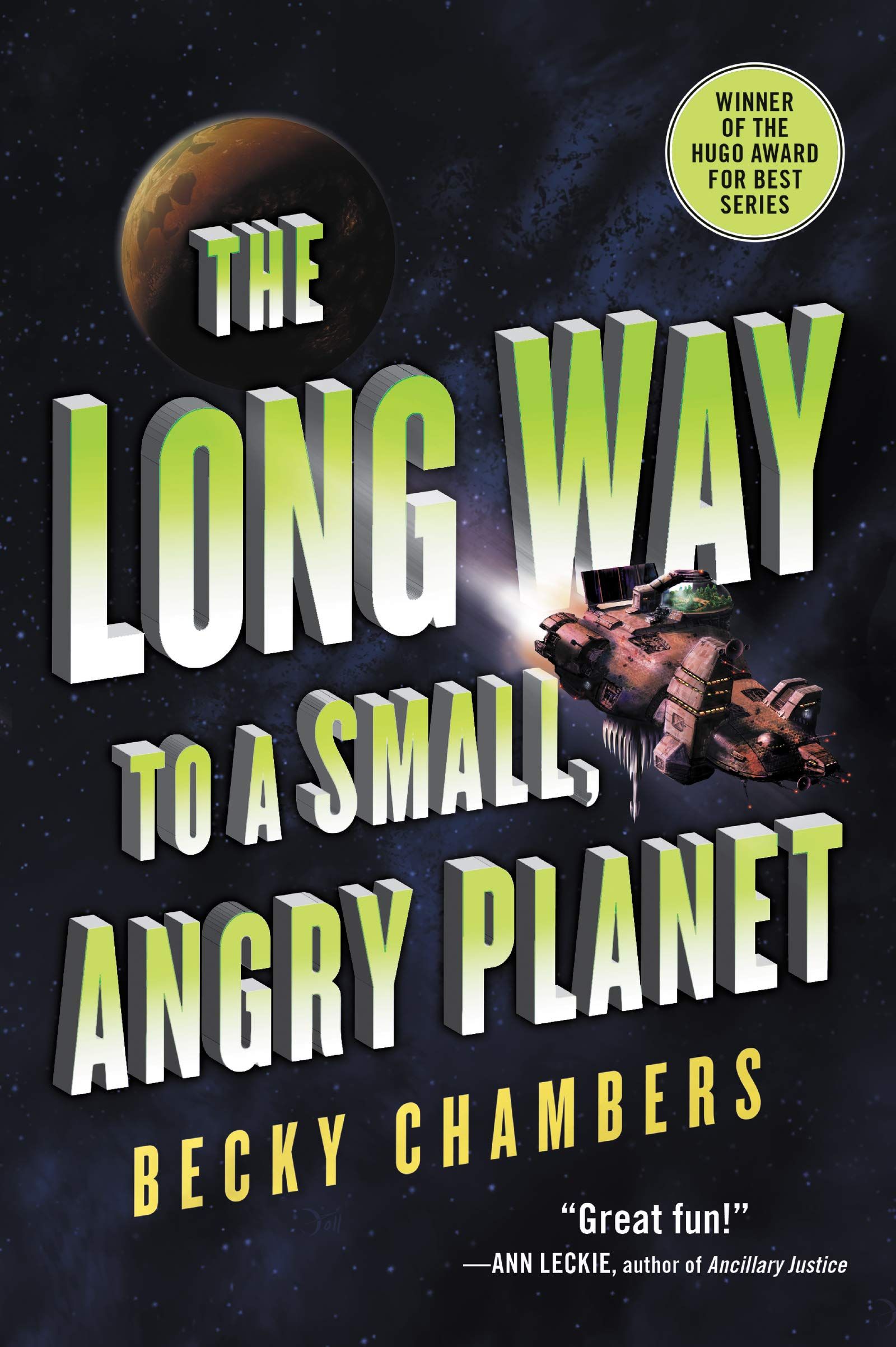
Becky Chambers’ debut, first published independently, follows Rosemary Harper, a Martian seeking to leave her past behind. She joins a spacecraft crew whose job is to create wormholes through space.
The novel is more interested in the journey and the relationships formed along the way than in a single destination. Rosemary grows close to the ship’s unusual alien crew as they protect one another, creating a warm found-family story. Its gentler tone makes it a natural choice for readers who enjoy Firefly or Farscape.
Yoon Ha Lee: Ninefox Gambit (2016)
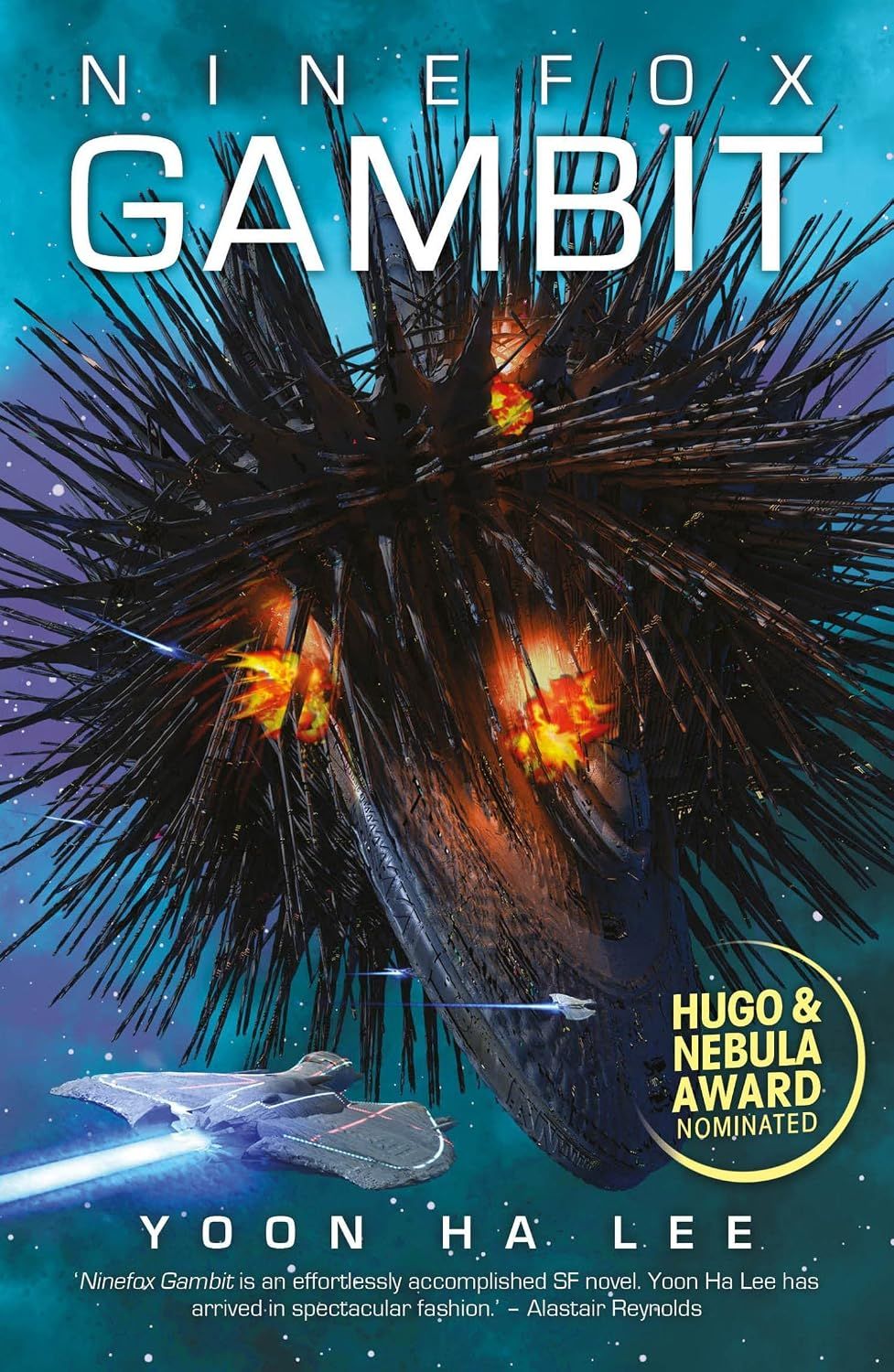
The opening volume of the Machineries of Empire trilogy follows Kel Cheris, a soldier ordered to reclaim a fortress held by enemies deemed heretical by the galactic government.
To complete the mission, Cheris must merge her consciousness with that of General Shuos Jedao, one of history’s greatest tacticians. Jedao was executed after using a devastating weapon to kill a million people, including troops under his own command. Cheris must decide whether Jedao, and her superiors, can be trusted while trying to survive the operation.
Arkady Martine: A Memory Called Empire (2019)
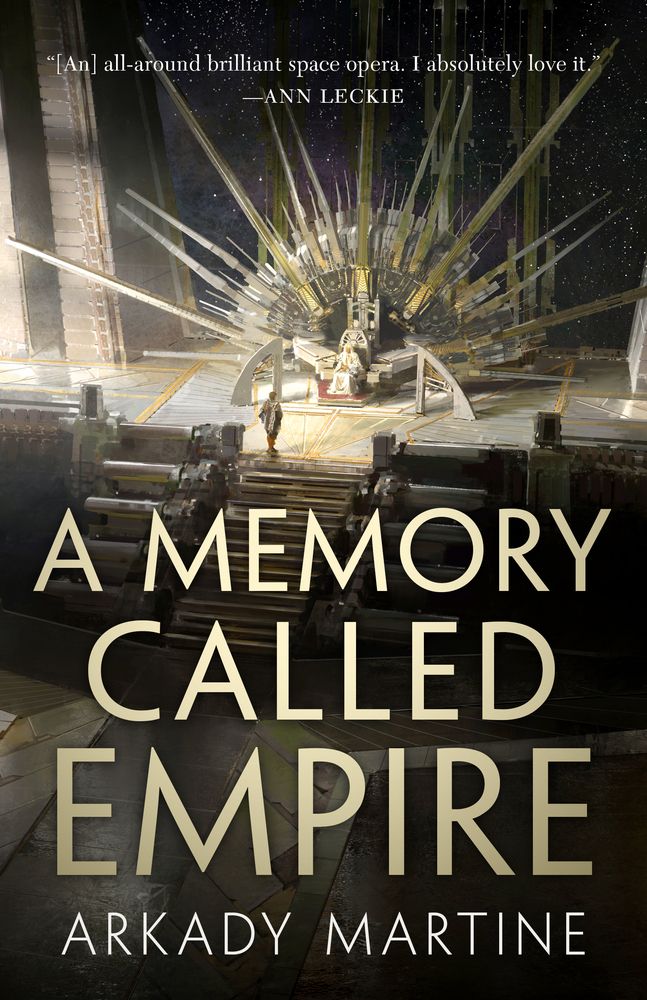
Lsel Station is at risk of being absorbed by the powerful Teixcalaanli Empire when its ambassador, Yskandr Aghavn, dies under mysterious circumstances. Mahit Dzmare is sent to investigate, carrying implanted memories from Yskandr’s previous return to Lsel 15 years earlier.
Her investigation reveals a conspiracy with consequences for the whole empire. At the same time, Mahit becomes increasingly drawn to Teixcalaan and the people she encounters there.
Tamsyn Muir: Gideon the Ninth (2019)
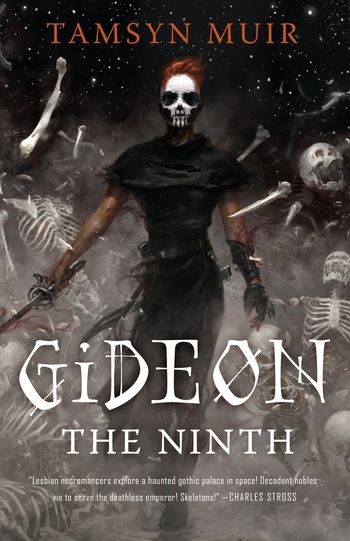
The immortal emperor of the Dominicus star system summons representatives of the Nine Houses to compete in trials intended to make them immortal. Gideon, a warrior, is taken to a mansion filled with ancient secrets and ordered to protect the necromancer Harrow.
As other candidates begin dying, Gideon works to fulfil her duty while uncovering mysteries surrounding her own past, Harrow’s history and the origins of the empire. The first Locked Tomb novel mixes humour and horror with an elaborate science-fiction setting.
Simon Jimenez: The Vanished Birds (2020)
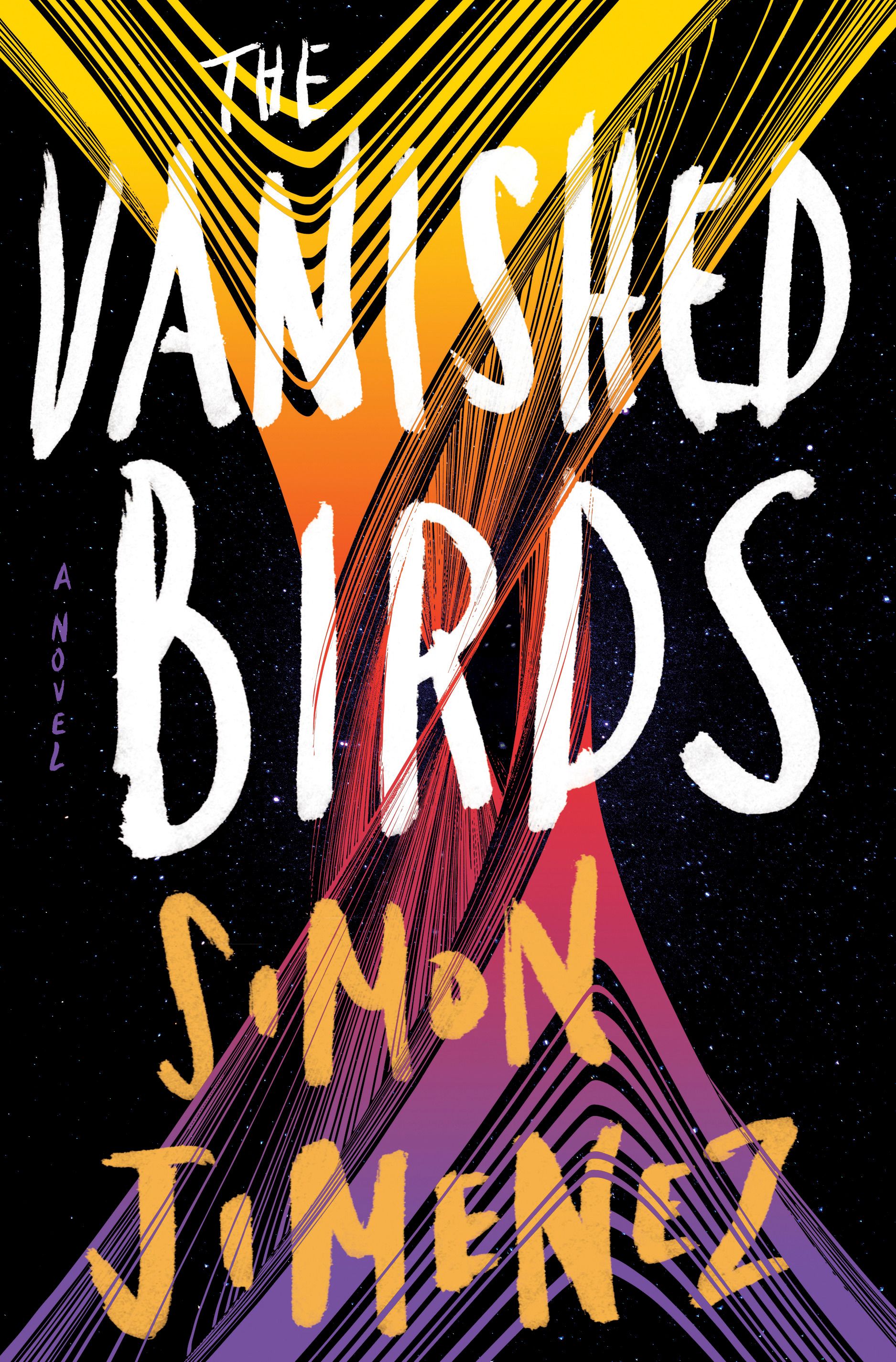
Simon Jimenez’s ambitious debut connects the lives of several characters across a millennium. Time dilation and cryogenic sleep allow their stories to intersect over vast distances and long stretches of time.
Earth is no longer habitable, forcing humanity to flee to the stars, where corporations have transformed entire planets into plantations. As the characters confront past mistakes and uncertain destinies, the novel argues for love and found family as forces capable of overcoming extraordinary separation.
James S. A. Corey: The Mercy of Gods (2024)
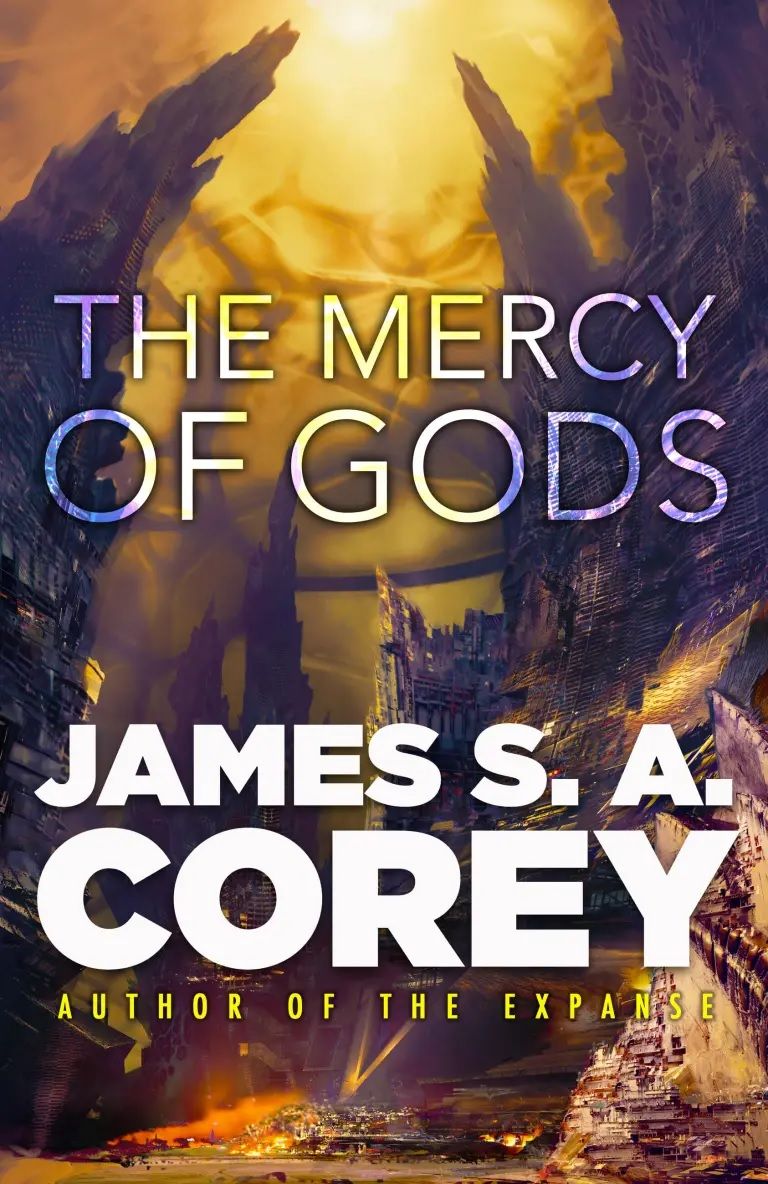
James S. A. Corey appears a second time with The Mercy of Gods, the opening novel in The Captive’s War, a new space-opera trilogy. In The Expanse, alien technology helped examine human nature and geopolitics. Here, the threat begins with an assault by advanced extraterrestrials.
Many human scientists are abducted and forced to work for their captors. With the survival of humanity at stake, the prisoners must understand the conflict they have been pulled into before they can determine how to respond.
Where to take your next sci-fi break
These ten books move from hard science and military strategy to cosmic horror, imperial politics and intimate stories of community. They also demonstrate why space opera remains such a flexible genre: it can be as interested in a starship battle as it is in identity, power or friendship.
For more ideas for a dedicated entertainment space, browse arcade machines, explore compact bartop arcades, or learn how to maintain a cabinet with the available arcade parts. Readers planning a hands-on project can also compare DIY arcade kits.


Leave a Reply