


A tomb is opened, a mummy rises and the intruders discover that the warning signs were there for a reason. Magic: The Gathering captured that entire horror-film setup in one card: Vengeful Pharaoh, a design that has spent more than 15 years waiting to be rediscovered.

A mummy’s curse in card form
Vengeful Pharaoh was created for Magic 2012, which reached its 15th anniversary in 2026. During an interview reflecting on the core set, vice president of Magic design Aaron Forsythe and senior creative designer Doug Beyer discussed cards they expected to make a stronger impression.
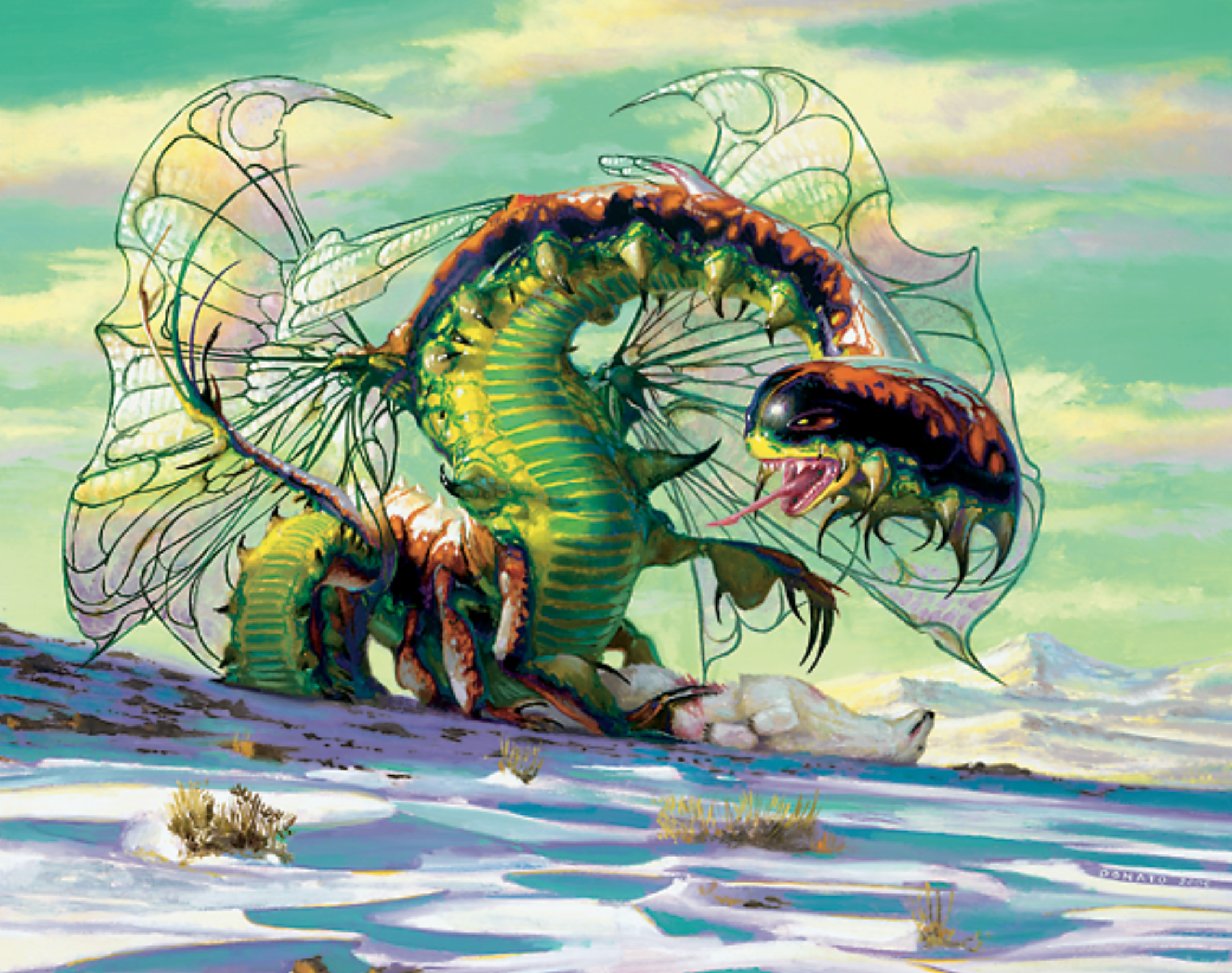
Beyer singled out Vengeful Pharaoh, saying he expected the card to see more play. He praised its top-down design: a cursed mummy that returns when an opponent dares to disturb its tomb.


Why the mechanics tell a complete story
Vengeful Pharaoh costs five mana, including three black, and is a 5/4 Zombie with deathtouch. Its stats and creature type immediately suggest a dangerous undead ruler, but its graveyard ability does the real storytelling.
Whenever combat damage is dealt to you or a planeswalker you control, if this card is in your graveyard, destroy target attacking creature, then put this card on top of your library.
The sequence is remarkably cinematic. An attacker enters the tomb, the buried pharaoh awakens and destroys that intruder. The curse then begins its slow return: the Pharaoh moves to the top of its owner’s library, ready to be drawn and cast again.
That dramatic loop comes with a substantial drawback. Unless a deck uses milling, sacrifice effects or another way to manipulate the graveyard, the player must draw the card, pay five mana and eventually place it back in the graveyard before the ability can happen again. The three-black requirement also makes it less convenient in multicolour decks.

A powerful idea with a narrow home
Beyer joked that the curse may have landed on the person who included Vengeful Pharaoh in their deck. The card is highly thematic, but its inflexible requirements explain why it has remained a fringe option.
EDHREC data cited in the discussion lists Vengeful Pharaoh in just 0.14% of 4.86 million logged Commander decks. Those appearances are predictably concentrated in Zombie strategies. It is a natural fit for Egon, God of Death // Throne of Death, whose Throne side mills a card at the beginning of its controller’s upkeep.
Another possible home is Taigam, Sidisi’s Hand. That commander replaces the draw step by looking at the top three cards, keeping one and putting the other two into the graveyard. Both examples help bypass the Pharaoh’s awkward return to the top of the deck.
For the official card text, see Vengeful Pharaoh.
The core-set experiment behind the card
Forsythe said Vengeful Pharaoh emerged from an internal design contest focused on making especially resonant versions of familiar concepts. He won that contest with the mummy design.
A July 2011 design blog post placed the card within a broader change to Magic design. Before Magic 2010, annual core sets were largely collections of cards previously introduced in expansion sets. The newer approach created room for original designs that did not need to wait for a matching setting.
That made the core set a useful home for self-contained ideas such as an Egyptian mummy, even when the wider game was not visiting an Egyptian-themed world. The design philosophy favoured cards that communicated a recognisable concept through their mechanics as well as their artwork.
What replaced the annual core set?
For much of Magic’s history, core sets offered curated, accessible and largely setting-neutral cards. They also left Standard relatively quickly. That system was replaced by Foundations in 2024, a more definitive core set scheduled to remain legal in Standard until 2029.
Forsythe said he now prefers the Foundations model, while acknowledging that the old annual sets provided an excellent place for unusual individual designs.
Vengeful Pharaoh shows what made that earlier model valuable. It may not have become a competitive staple, but it compresses an entire miniature horror story into a single rules text: disturb the tomb, awaken the dead and face the consequence.


For more stories about games, hardware and the culture surrounding play, explore RETROCADE’s Arcade Blog, browse the latest arcade videos or compare options in the Arcade Machine Buying Guide.


Leave a Reply