



Why Esquie’s ‘Wheee’ and ‘Whooo’ Still Matter in Clair Obscur: Expedition 33
A year after playing Clair Obscur: Expedition 33, one small exchange still stands out: Esquie’s wonderfully simple idea that happiness and sadness can exist together.

A quiet lesson in balance
Modern life rarely stays at one emotional volume. A good message from a friend can lift the day, while an ordinary frustration—such as another forgotten item on a shopping trip—can pull it back down. Esquie’s advice offers a gentler way to understand that constant movement.
“I too am ‘Whooo.’ But I’m also ‘Wheee!’ So the ‘Wheee’ balances the ‘Whooo.’”

The line arrives during one of the camp conversations that give Expedition 33 emotional space between its heavier events. The game is deeply concerned with grief, but this scene finds warmth in an otherwise tumultuous game about grief, as an otherwise tumultuous game about grief.
Esquie’s private language
Esquie is an enormous, floating companion whose cheerful obliviousness makes him one of the game’s most endearing figures. In the conversation, he speaks with Verso, a traumatised playable character and Esquie’s close friend.
The pair discuss François, who has withdrawn after losing his own closest friend. Verso explains that François used to be more “wheee”, but has become “whooo”. The words are Esquie’s shorthand for happiness and sadness, turning a difficult subject into a shared vocabulary between friends.
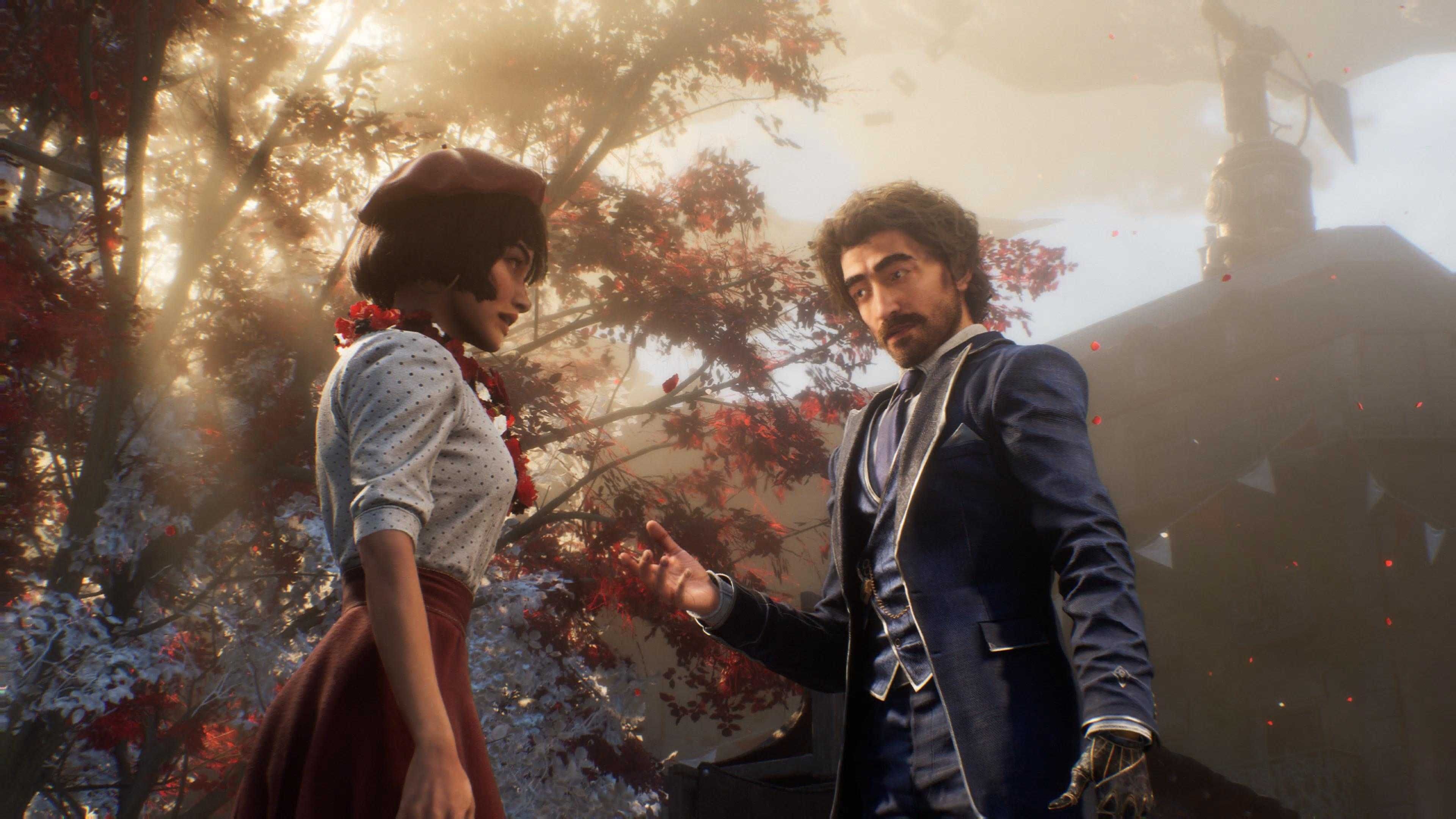
That invented vocabulary makes the relationship feel unusually authentic. Close friends often create odd expressions that mean everything to them and very little to anyone else. Here, those two sounds communicate intimacy without requiring a long explanation.
Both feelings can be true
Verso then asks whether Esquie is feeling more “wheee” or “whooo”. Esquie refuses to choose—and that is the point.
He is “whooo” because the world around the characters is filled with loss and existential danger. Yet he is also “wheee” because he can spend time with his best friend and face those problems alongside someone he trusts. That small joy does not erase the sadness; it sits beside it.

The exchange feels convincing because it recognises something familiar: even during the darkest periods, a moment of companionship, a pet settling beside you or a small personal win can provide a little light. Emotional balance is not the absence of grief. It is having something human to hold onto while grief is present.
Why the wording stays with you
The scene’s emotional clarity also reflects how it was written. Lead writer Jennifer Svedberg-Yen explained in May 2025 that the moment came together late at night, when exhaustion left her focused on finding the precise sound and feeling the scene needed.
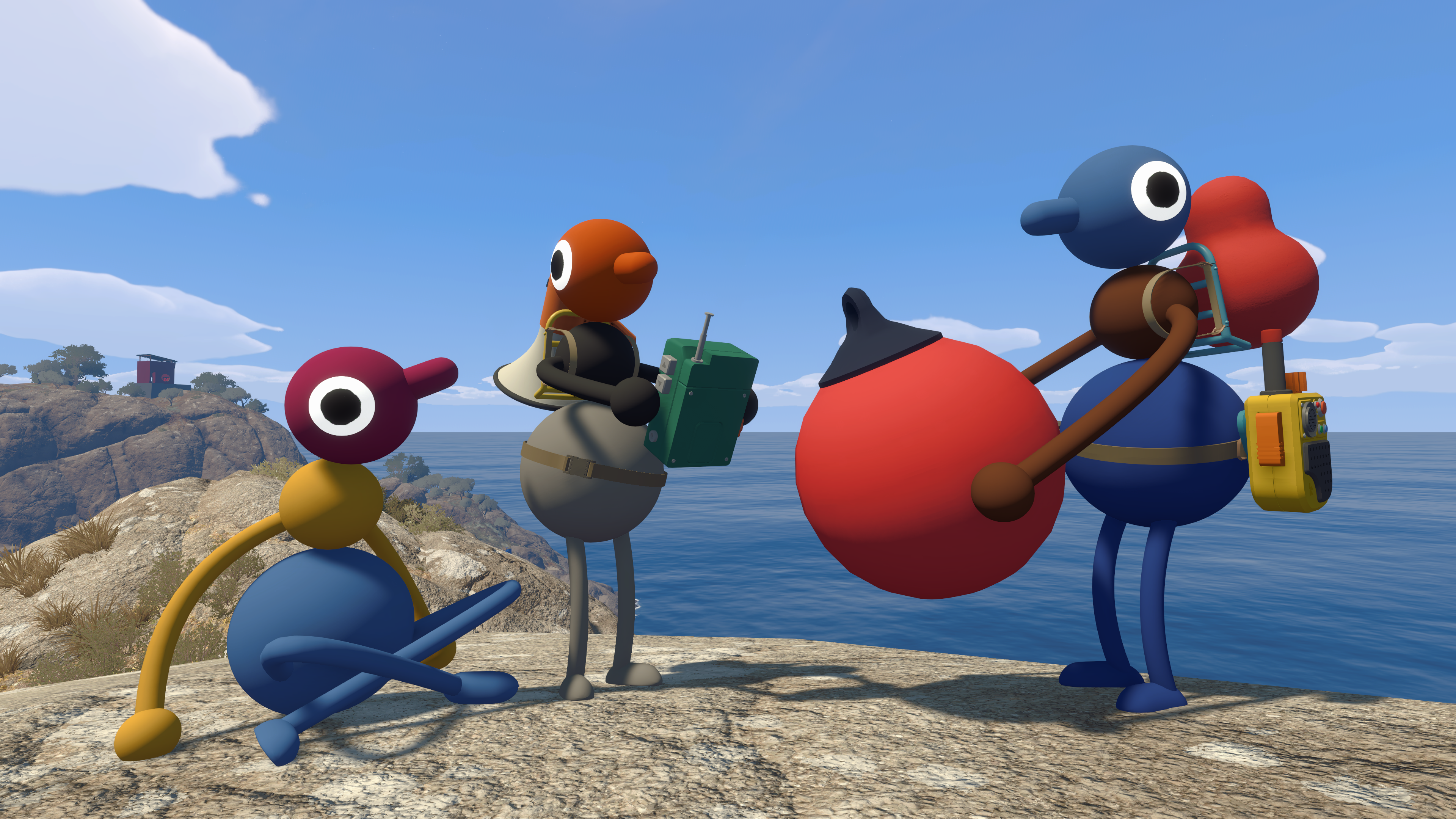
That detail suits the exchange. Sometimes people cannot express a complicated feeling directly. A sigh, a strange phrase or a private joke can do the work instead. Being understood despite imperfect words can feel relieving and deeply connecting.
A memorable line from a memorable journey
Esquie’s “Wheee” and “Whooo” endure because they are funny, tender and practical all at once. They make sense within his friendship with Verso, while also giving players a compact way to describe their own mixed days.
For more thoughtful stories about games and the wider hobby, explore RETROCADE’s Arcade Blog and Arcade Videos. If you are bringing that love of games into a home setup, the Arcade Machine Buying Guide can help you compare your options.
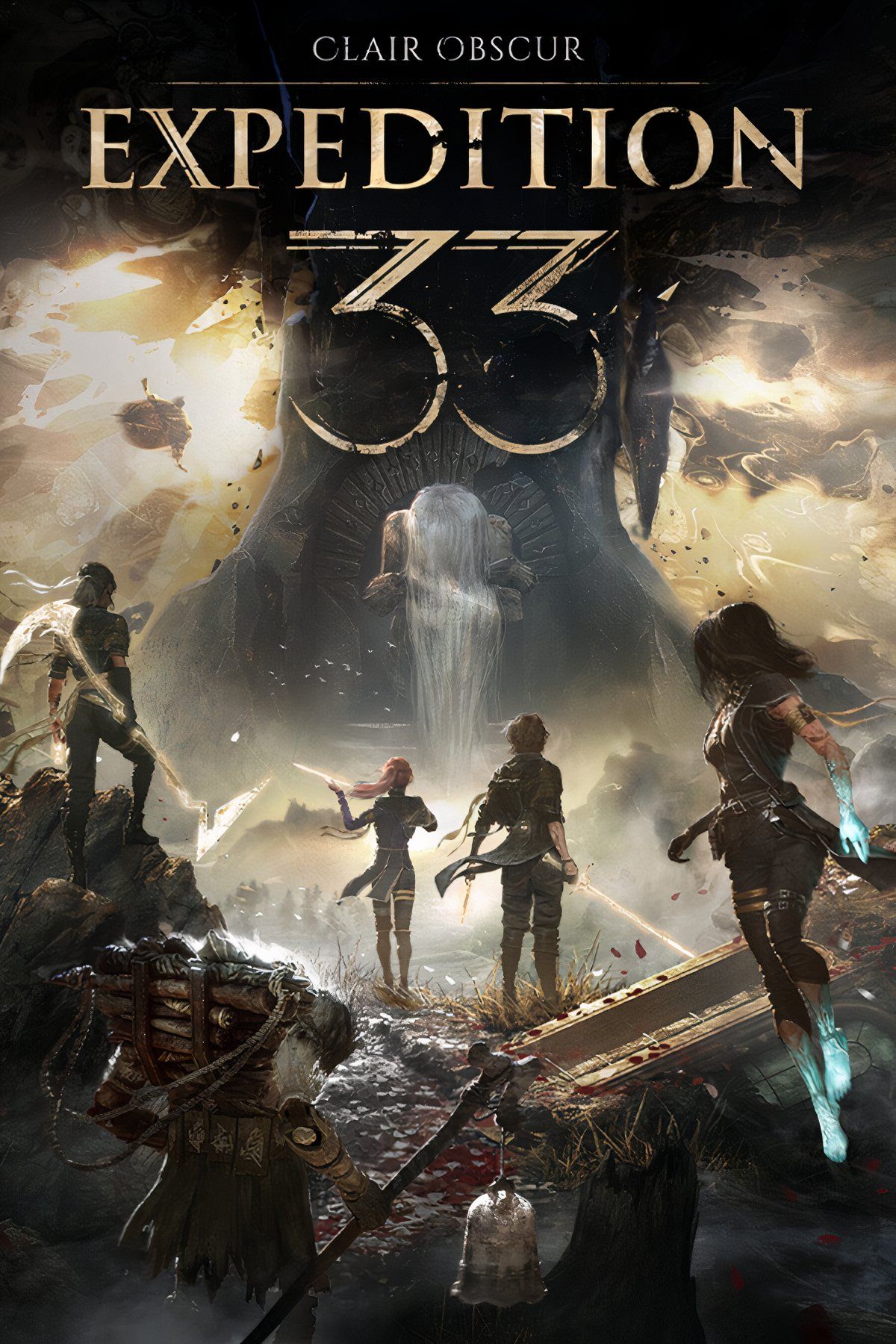
So, whatever an Australian day brings, there may be room for both responses. You can be “whooo” while waiting for difficult news and “wheee” when a small comfort arrives later. The feelings do not cancel each other out. Like Esquie says, one helps balance the other.



Leave a Reply