

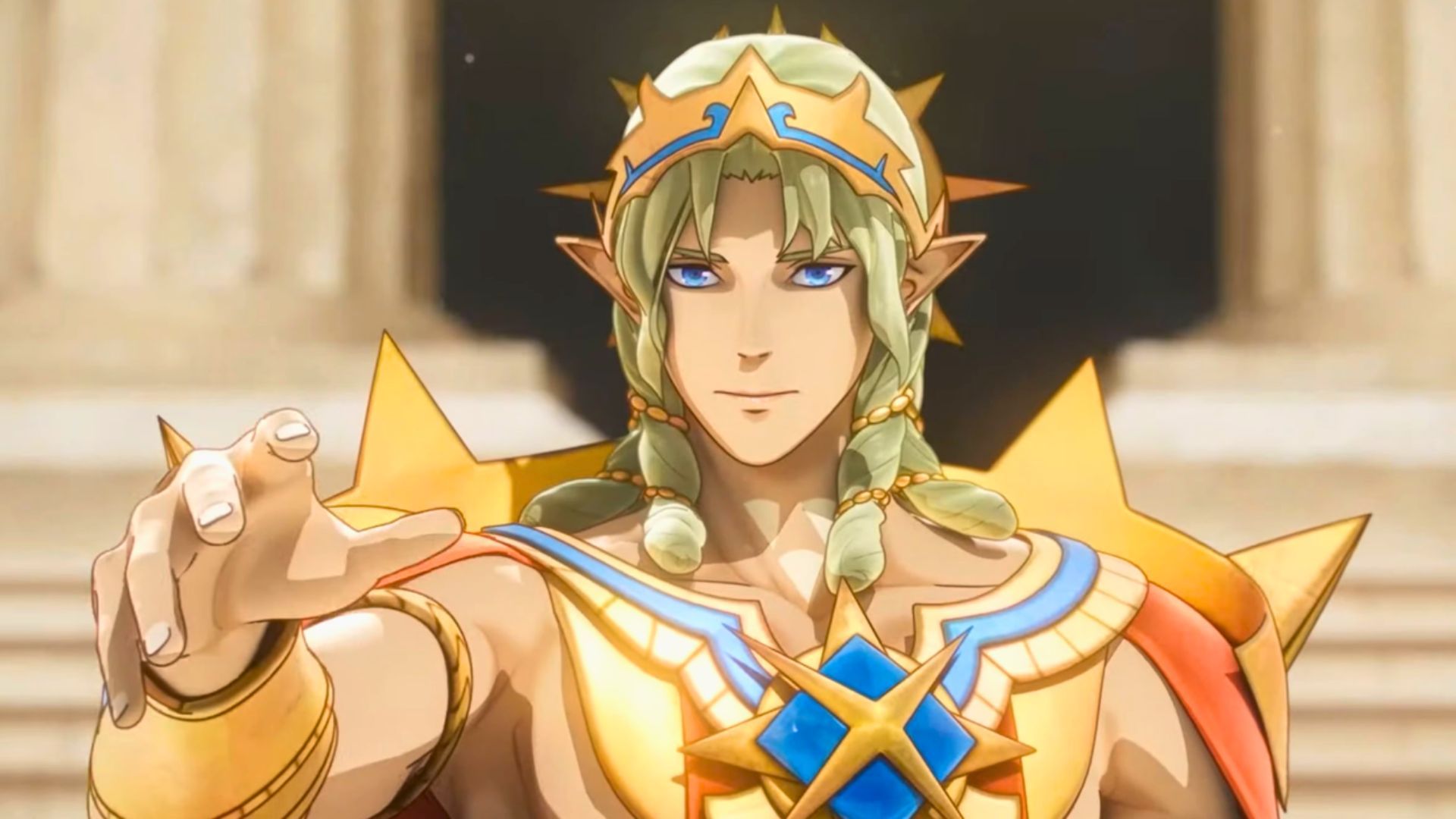
The 4 August Nintendo Direct focused on Fire Emblem: Fortune’s Weave, the tactical RPG due on Nintendo Switch 2 next month. Among its announcements were fresh details about how the game’s four branching storylines eventually come together.
That presentation also highlighted how far the strategy-RPG audience has grown. Fire Emblem began in 1990, but 2019’s Fire Emblem: Three Houses helped take the genre beyond its traditional niche by combining turn-based combat with social-simulation systems reminiscent of Persona. Ubisoft’s Mario + Rabbids: Sparks of Hope followed in 2022, while last year’s Final Fantasy Tactics: The Ivalice Chronicles delivered another acclaimed entry. Sega, however, was experimenting with a comparable formula decades earlier.
Shining Force brought tactical RPGs west
The first Fire Emblem games were largely confined to Japan, whereas Sega released Shining Force on the Genesis and Mega Drive across North America and Europe. The original arrived in 1992, followed by Shining Force 2 in 1993. Both remain available through the Sega Genesis collection included with a Nintendo Switch Online + Expansion Pack membership.
Sega also produced Shining Force titles for Sega CD and Saturn, although finding those releases through legitimate channels is considerably more difficult today. For anyone exploring classic console strategy games, they remain an important part of Sega’s wider arcade and gaming history.

An army full of surprises
Players familiar with Fire Emblem: Three Houses or Fire Emblem Engage will recognise the basic structure. You build a force from different classes, including archers, mages, monks, mounted knights and axe users. As the roster expands, difficult choices follow: a favourite veteran may have to sit out when a stronger new recruit joins the party.
Characters can also be promoted after reaching a required level and acquiring a rare item. That shared progression system gives Shining Force a clear connection to Nintendo’s series, but Sega’s game has a much more eccentric approach to recruitment.
Alongside conventional warriors, the party can include a werewolf, a robot, a flying jellyfish, a turtle and other unconventional allies. Shining Force 2’s Peter is a particularly memorable example: the phoenix resembles a version of Big Bird with a broccoli-style haircut, yet proves to be an exceptionally powerful fighter. In this world, strange appearances are no guide to battlefield performance.
Distinctive battles on memorable maps
Combat takes place on a grid. You move each unit into position, then attacks trigger a separate view filled with detailed pixel animation that was impressive by 16-bit standards. Terrain can slow movement or injure characters, and objectives vary between defeating every opposing unit and taking down the enemy commander.
The maps are just as inventive. Battles unfold across precarious floating ramps, inside a circus tent and on a stage inspired by Peru’s Nazca Lines. That variety gives the campaign a personality beyond its familiar medieval armies, while the roster makes every encounter feel like a meeting between oddball characters and serious tactical decisions.
Was Shining Force inspired by Fire Emblem?
It is easy to assume Sega copied Fire Emblem, which launched two years earlier, but developer Hiroyuki Takahashi offered a different explanation. He told GamesTM in 2010: “The tempo of that title [Fire Emblem] was so bad that it wasn’t something I even wanted to play.” Whatever the development history, the similarities between the two series are obvious.
Sega still owns the Shining rights, but later moved the franchise away from the classic Shining Force structure. During the 2010s, it released a Japan-only trio of action-focused tactical RPGs for PlayStation Portable; those games were closer to Valkyria Chronicles than Fire Emblem. Sega then released the action RPG Shining Resonance Refrain worldwide in 2018, though it bears little resemblance to the 1990s strategy games.
Could Sega revive Shining Force?
The current tactical-RPG boom makes a new Sega strategy game especially tempting. A modern sequel could retain class-based battles and unusual recruits while adding cameos from across Sega’s catalogue: Yakuza’s Kiryu, Super Monkey Ball’s AiAi, a Sonic Green Hill Zone-inspired map, or locations echoing Phantasy Star 2 and Christmas Nights.
For players who first discovered the genre through the Genesis or Mega Drive, Shining Force still offers an appealing mix of accessible turn-based battles, colourful characters and imaginative battlefields. Sega has plenty of other classic properties to draw upon, but the series’ return would be a particularly welcome addition to a home arcade machine collection.
Readers considering a dedicated setup for classic games can compare options in RETROCADE’s arcade machine buying guide, while compact spaces may suit the available bartop arcade cabinets. For restoration projects, arcade parts can also help keep older hardware playable.


Leave a Reply