

Marvel Tokon: Fighting Souls arrives with an enormous legacy to reckon with. The Marvel vs. Capcom series remains one of fighting games’ most celebrated tag franchises, despite the damage caused by Marvel vs. Capcom: Infinite. That history makes any new Marvel crossover fighter a difficult act to follow.
Tokon should therefore be assessed as its own game rather than as a direct successor to the blistering speed, Magneto infinites and tournament-defining moments associated with earlier entries. It features familiar names including Dr. Doom, Spider-Man and Storm, but its fundamental pace is markedly different.

A spectacular visual showcase
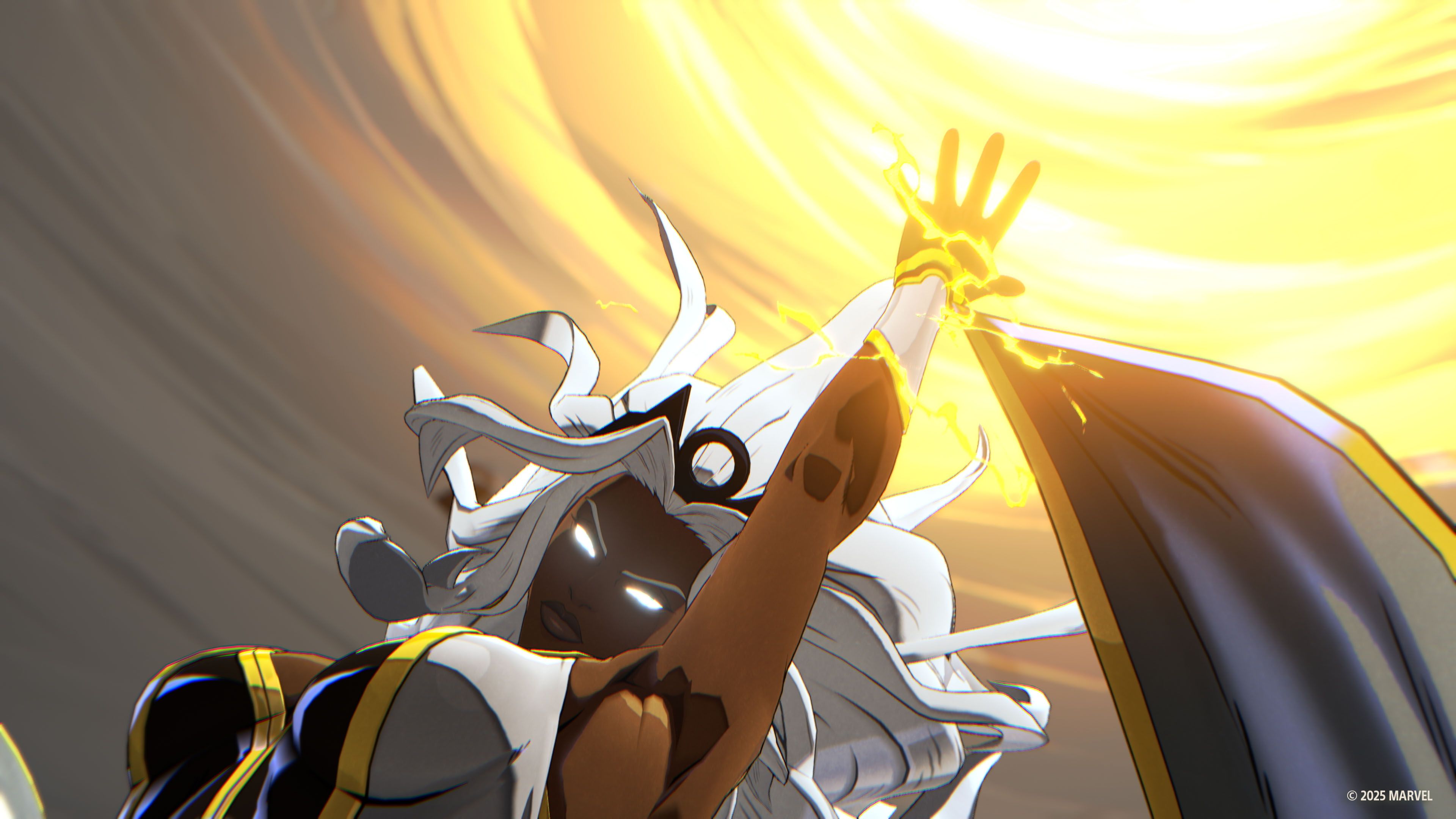
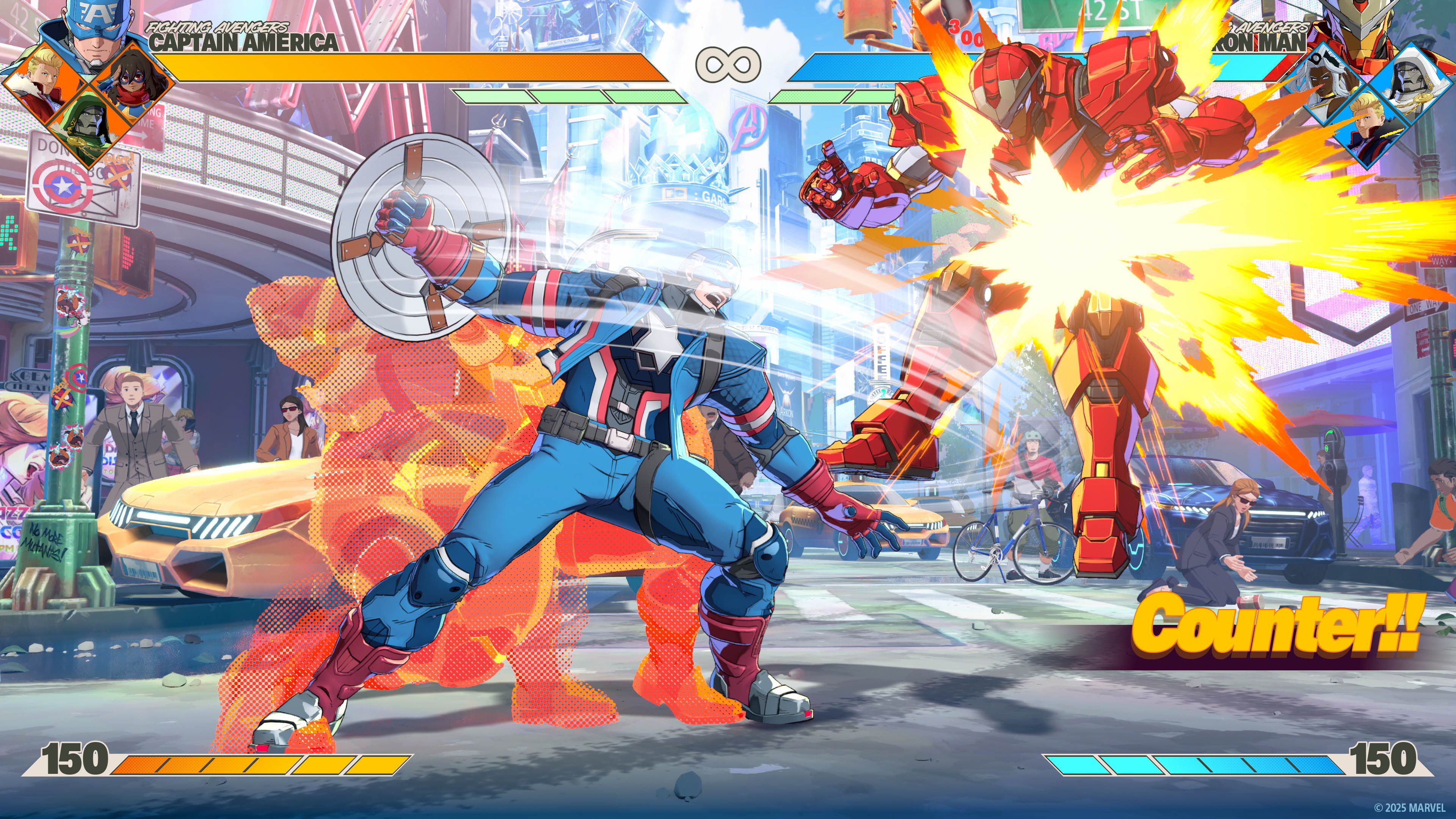
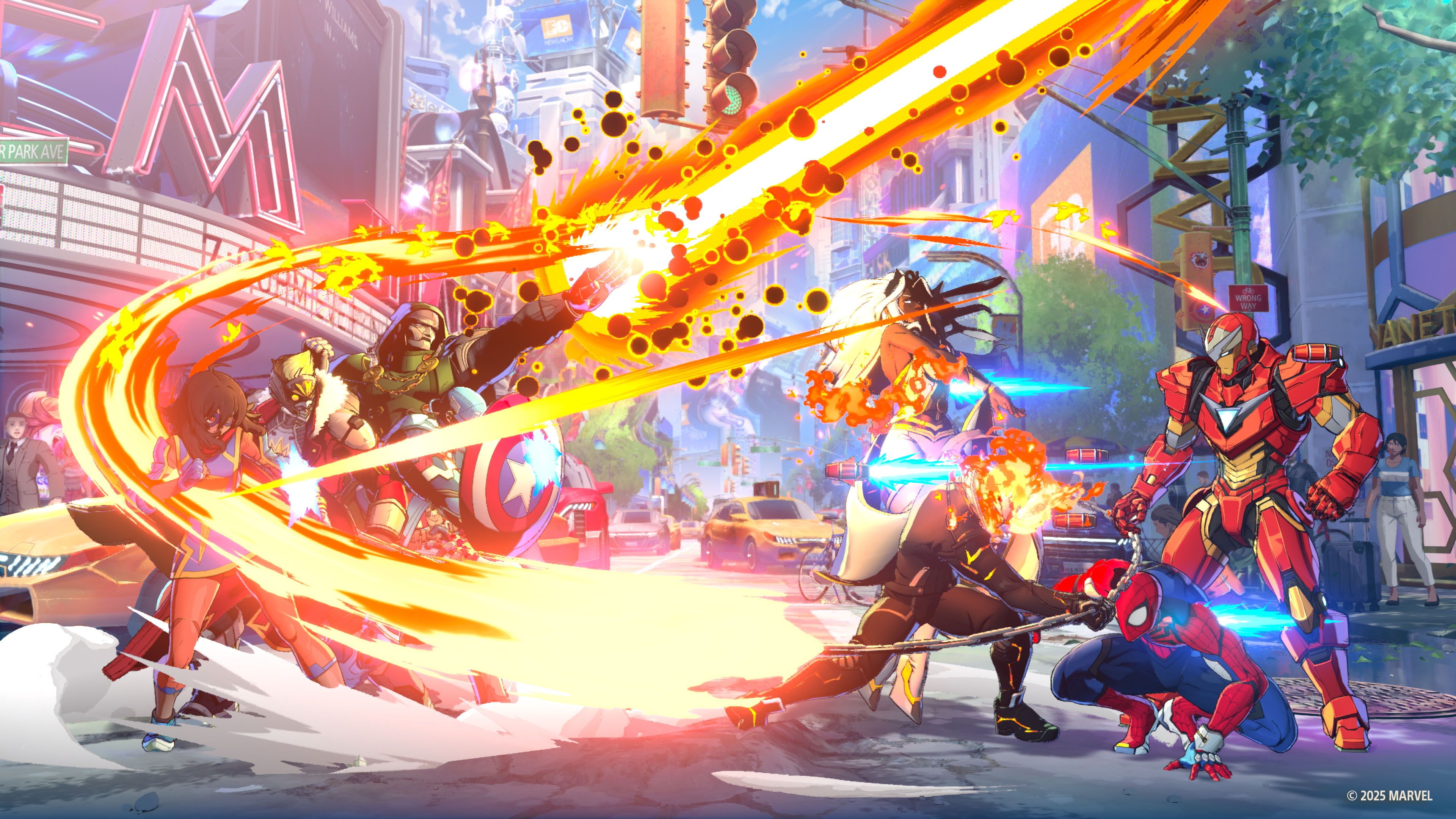
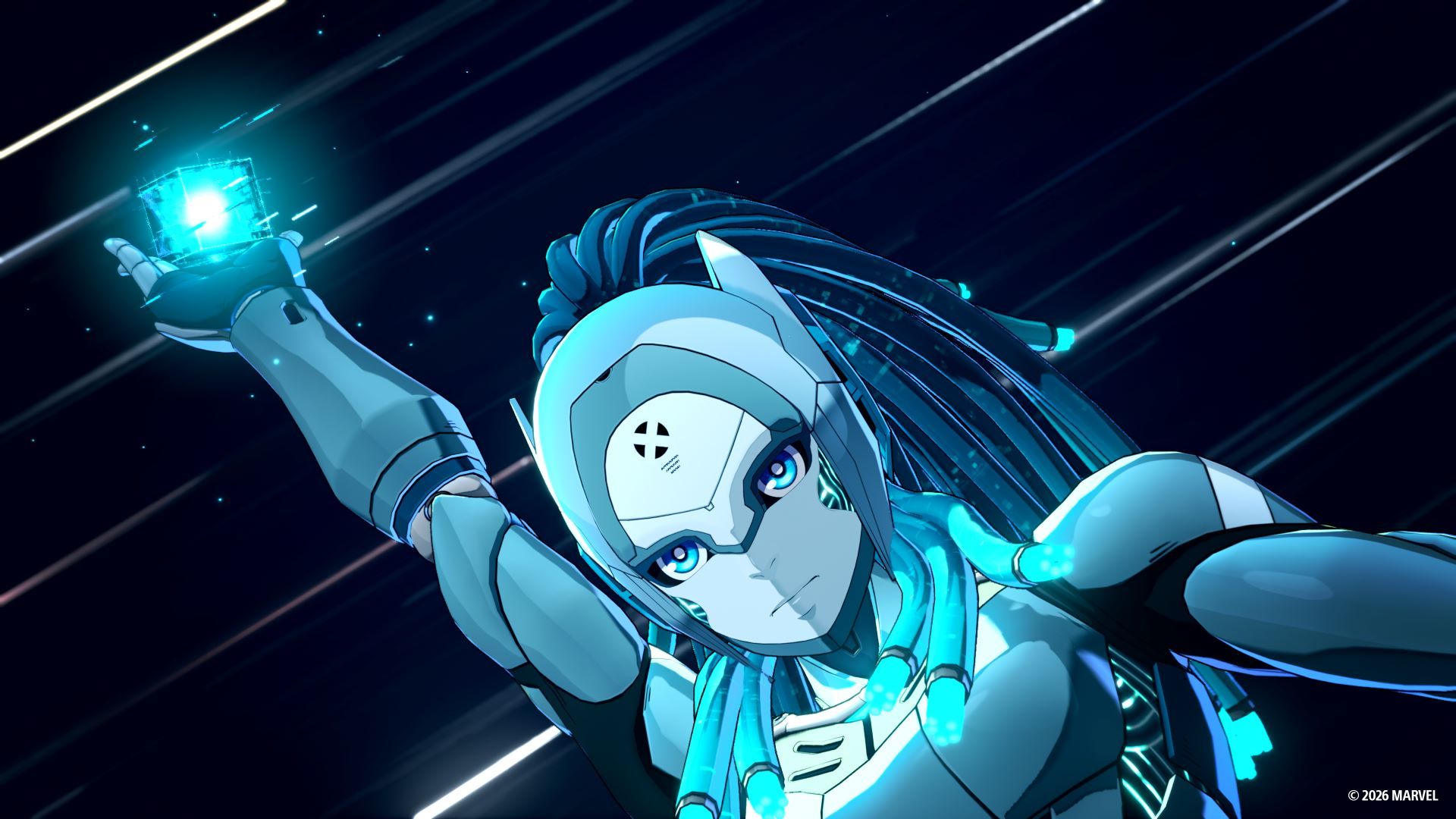
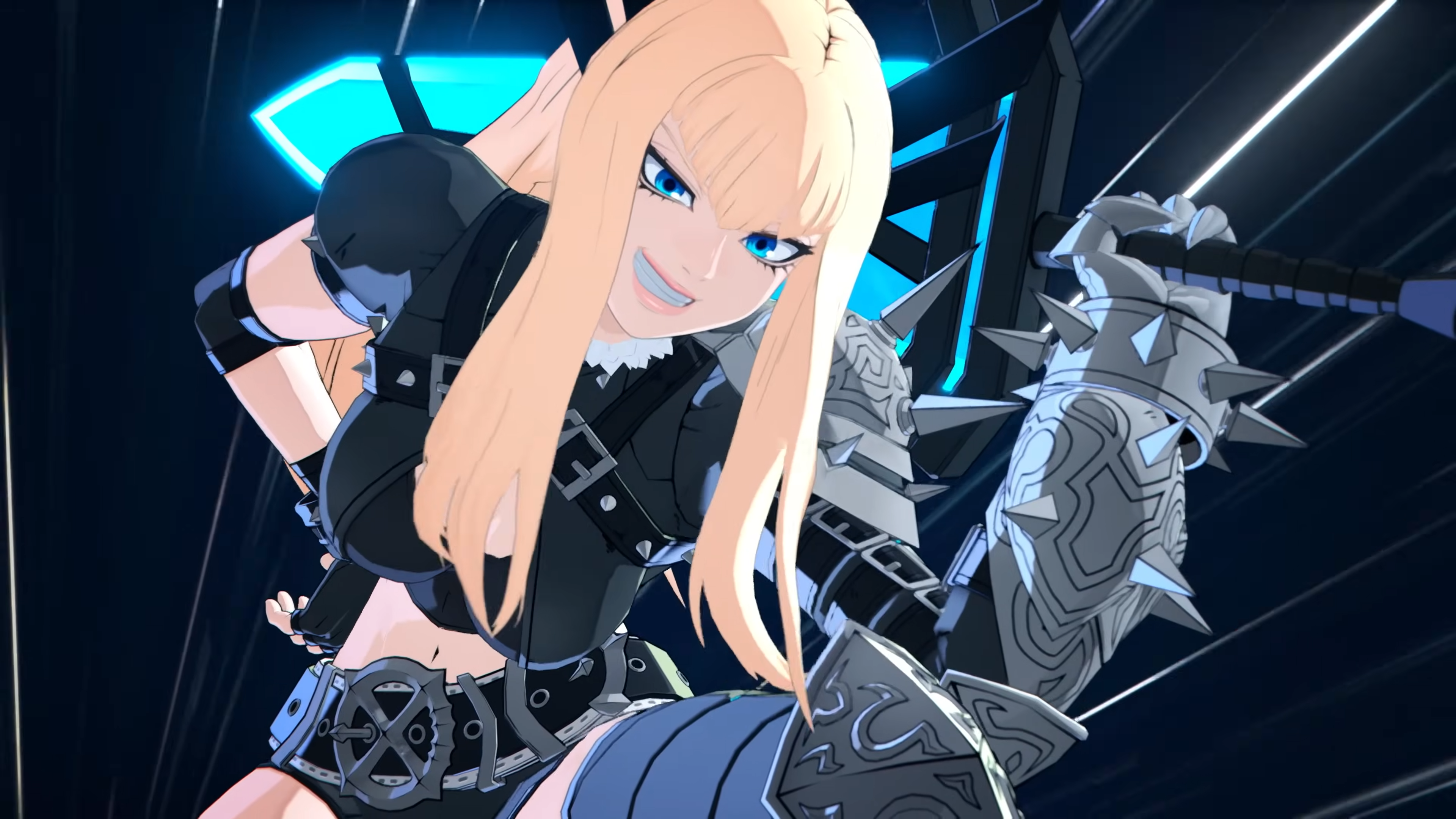
Arc System Works, the studio behind Guilty Gear, Dragon Ball FighterZ and BlazBlue, gives Tokon a striking visual identity. Classic comic-book designs are refined with an anime influence, while Danger receives a particularly pronounced moe-style makeover.
The animation is the real standout. Fighters leave Ben-Day dot afterimages, attacks erupt with extravagant energy and traditional comic-book touches sit comfortably beside dramatic, anime-inspired spectacle. Deadpool demonstrates the approach especially well, using fourth-wall-breaking sequences and references ranging from Super Smash Bros. to Street Fighter: The Movie.


A promising story mode
The story mode provides a strong setting for the game’s presentation. Its central idea is familiar: the Champion of the Universe arrives to challenge Earth’s best fighters, with the planet facing destruction if humanity loses the contest.
There are five playable campaigns, each following a different team of four. The narrative combines motion comics with full anime-style cutscenes, and comic writer Kieron Gillen appears to have made room for smaller character moments within the tournament structure. The story had received only about an hour of play during this assessment, compared with approximately 20 hours spent in multiplayer betas, so its full potential remained uncertain.
Windows performance is a serious problem
Tokon’s biggest immediate weakness is its Windows PC port. Although it is reportedly improved from the recent beta, the game remains poorly optimised and suffers frame drops. Even on an RTX 3080, achieving a consistently stable 60 frames per second proved nearly impossible across different settings.
According to early reports, players with powerful computers are also encountering persistent micro-stutters.
That matters even when your own system performs well. Tokon’s online battles can become jerky if an opponent is running at a low frame rate, regardless of the quality of your internet connection. These technical complaints appear to be a major factor behind the game’s 36% user rating on Steam.
There has also been speculation that Sony’s anti-cheat software and mandatory PlayStation Network integration may be contributing to the difference between the Windows and PS5 versions. Whether those integrations are responsible will depend on how the game is supported and updated.

A tag fighter caught between two audiences
On console, Tokon’s design still creates an awkward contrast. Movement is slow, with restrained sprinting and air dashes, while attacks often have lengthy start-up and recovery. The apparent intention is to make the game less intimidating for newcomers than faster Arc System Works fighters such as BlazBlue and Dragon Ball FighterZ.
At the same time, this is a four-versus-four tag fighter capable of filling the screen with projectiles and oversized hitboxes. Early high-level play has already shown powerful sequences and unusual mix-ups. The result lacks the measured, ground-focused tactics of a slower fighter without delivering the rapid movement and expressive air-game skill of older anime-style titles.
Players who disliked the direction of Guilty Gear Strive or DNF Duel may find familiar frustrations here. Tokon has some similarities with the beginner-friendly Granblue Fantasy Versus, but its tag mechanics allow the overall power level to escalate quickly.
Pressure may dominate early competition
Another concern is how easily attackers can create sequences that leave defenders with very little opportunity to respond. The Crossover mechanic lets a defender spend assist meter to push an opponent away, but the attacker can answer with their own Crossover and continue into a combo.
Players may eventually discover reliable answers, potentially including the universal armoured move Assemble Counter. At launch, however, the system risks making strong defence feel passive, with players spending long stretches blocking while waiting for their turn.
An attractive game without a clear identity
Tokon could become more interesting as players understand its tag systems and develop counterplay. Its artwork is exceptional, the cast has clear visual personality and the story mode shows promise.
For competitive players, though, the current combination of sluggish movement, oppressive pressure and severe Windows performance problems makes for an unsettled launch. Marvel Tokon: Fighting Souls is visually impressive, but it has yet to bring its many ideas together into a convincing whole.
For more fighting-game and arcade coverage, visit the RETROCADE Arcade Blog. Readers planning a home setup can also explore the arcade machine range, compare options in the arcade machine buying guide, or consider a compact bartop arcade.


Leave a Reply