


Beast of Reincarnation is Game Freak’s new action RPG, separate from Pokémon, and its central pitch is simple: one person and one dog. Players guide Emma through a post-apocalyptic version of Japan alongside Koo, a large white dog who assists with combat and exploration while the pair hunt enormous monsters.
Koo is useful in a fight, but his role outside combat exposes one of the game’s biggest design problems. He identifies almost everything worth finding, leaving exploration feeling less like discovery and more like following a sequence of instructions.

Koo removes the mystery from exploration
Beast of Reincarnation is not fully open-world, although its sizeable maps contain side paths, buildings and items intended to reward players who look around. The trouble is that Koo frequently announces these discoveries through on-screen messages. A book, a valuable item or a shrine can be revealed almost immediately, often before the player has had a chance to notice it.
That constant signposting makes it tempting to move from one highlighted point to the next. If a building has no marker, it appears unlikely to contain anything important. Searching the environment therefore becomes a routine exercise rather than an opportunity for genuine surprise.
The problem is familiar to anyone who has played modern action adventures where a companion announces a puzzle solution before the player can work it out. Koo’s alerts serve a similar purpose: they provide information, but they also remove the satisfaction of finding something independently.

Repetition makes the barks harder to ignore
Koo also warns Emma whenever enemies are nearby. That might sound helpful at first, but the warning plays every time, including when the player is already deliberately moving through tall grass to approach an opponent from behind.
Fortunately, enemies do not appear to react to Koo’s noise. That is important because he regularly runs directly in front of enemies while Emma is attempting to set up a stealth attack. If his barking attracted attention, those encounters would become considerably more troublesome.
Emma then adds her own comment whenever Koo detects hostile forces, explaining to him that enemies are present even though his bark has already delivered that message. The repetition becomes especially grating in areas with fixed enemy placements.
The game is not strictly a Soulslike, but its default difficulty can still produce demanding fights. Returning repeatedly to the same campsite to challenge an Elite Enemy means hearing Koo warn about nearby foes each time, including the same robots the player has just passed on every previous attempt.
A symptom of a wider design choice
There is an appealing idea underneath Koo’s design. A dog companion could make the world feel more alive, support the player during battles and provide a natural way to communicate environmental clues. In practice, however, his constant alerts turn him into a gameplay interface wrapped in the shape of a friendly animal.
The maps also struggle to sustain curiosity. Many locations repeat the same visual language of ruined buildings, empty interiors and grassy fields, with limited variation between regions. Invisible walls further restrict experimentation, sometimes stopping the player in places that appear as though they should be accessible.
That combination of repetitive scenery, blocked routes and over-explicit guidance makes Koo feel less like a character and more like a symptom of Beast of Reincarnation’s cautious approach to exploration. The game places hidden objects around its environments, then immediately tells players where they are and what they contain.
It is an especially frustrating outcome for a game built around travelling through a dangerous future Japan. Exploration should create moments of uncertainty and discovery. Instead, Koo’s barks and Emma’s follow-up comments frequently turn those moments into routine notifications.
For more coverage of games and the wider hobby, browse RETROCADE’s arcade news and gaming blog. Readers comparing different ways to enjoy action games at home can also explore the store’s arcade machine range or learn how to choose an arcade machine.
Koo is not necessarily a bad companion concept, and the criticism is not about wanting fewer dog-focused games. The issue is that his friendly presence has been used to deliver design information so relentlessly that it undermines the exploration he is meant to support.
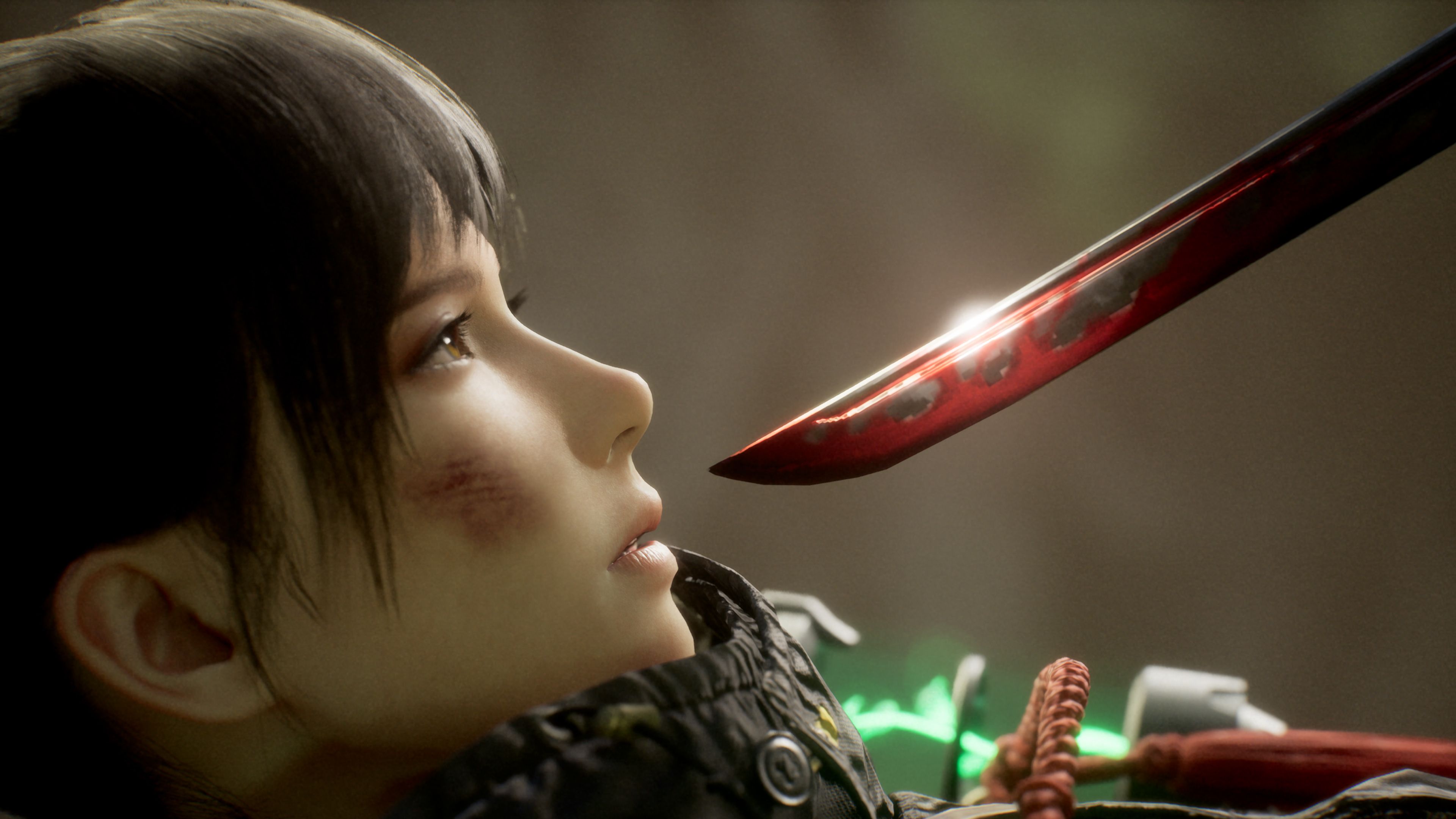
The verdict on Koo
A dog that helps locate danger and points out useful objects can make an adventure more accessible. But when every discovery is announced, every enemy is repeated and every return trip triggers the same warnings, the player has little room to observe, experiment or become pleasantly lost.
That makes Koo frustrating not because he is a poorly imagined dog, but because he represents a broader design decision that gives players too much guidance in a world that needs more mystery.


Leave a Reply