

LEGO’s new Pokémon Smart Play range combines character building with interactive play. The collection launches on 1 August 2026, with 12 sets designed to let children train, battle, feed and heal their Pokémon after the bricks are assembled.
The concept turns familiar pretend play into something more responsive. Instead of supplying every sound effect, players can use the sets’ electronic interactions to make Pokémon communicate, sleep, eat and fight.
Twelve sets with very different personalities
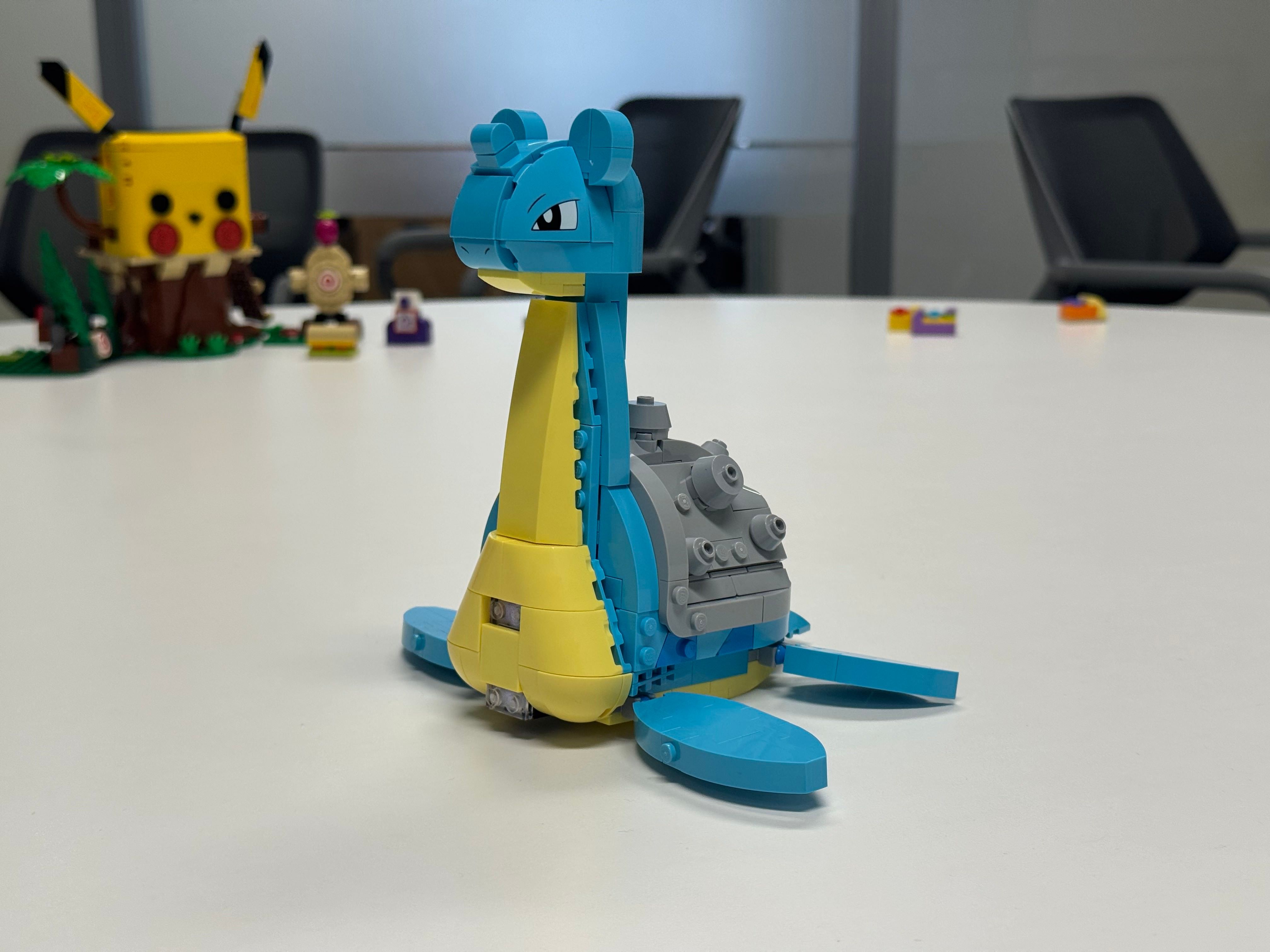
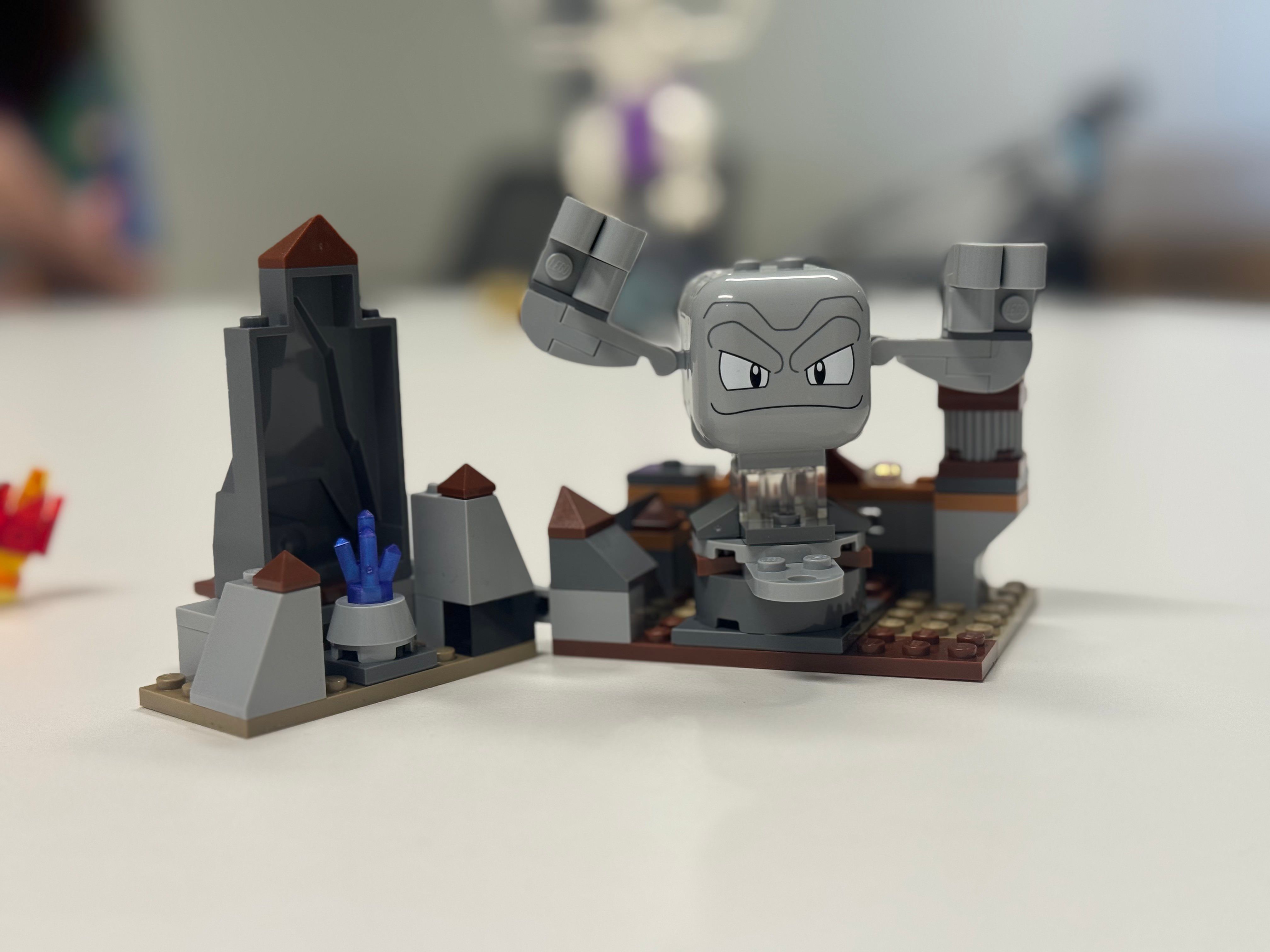
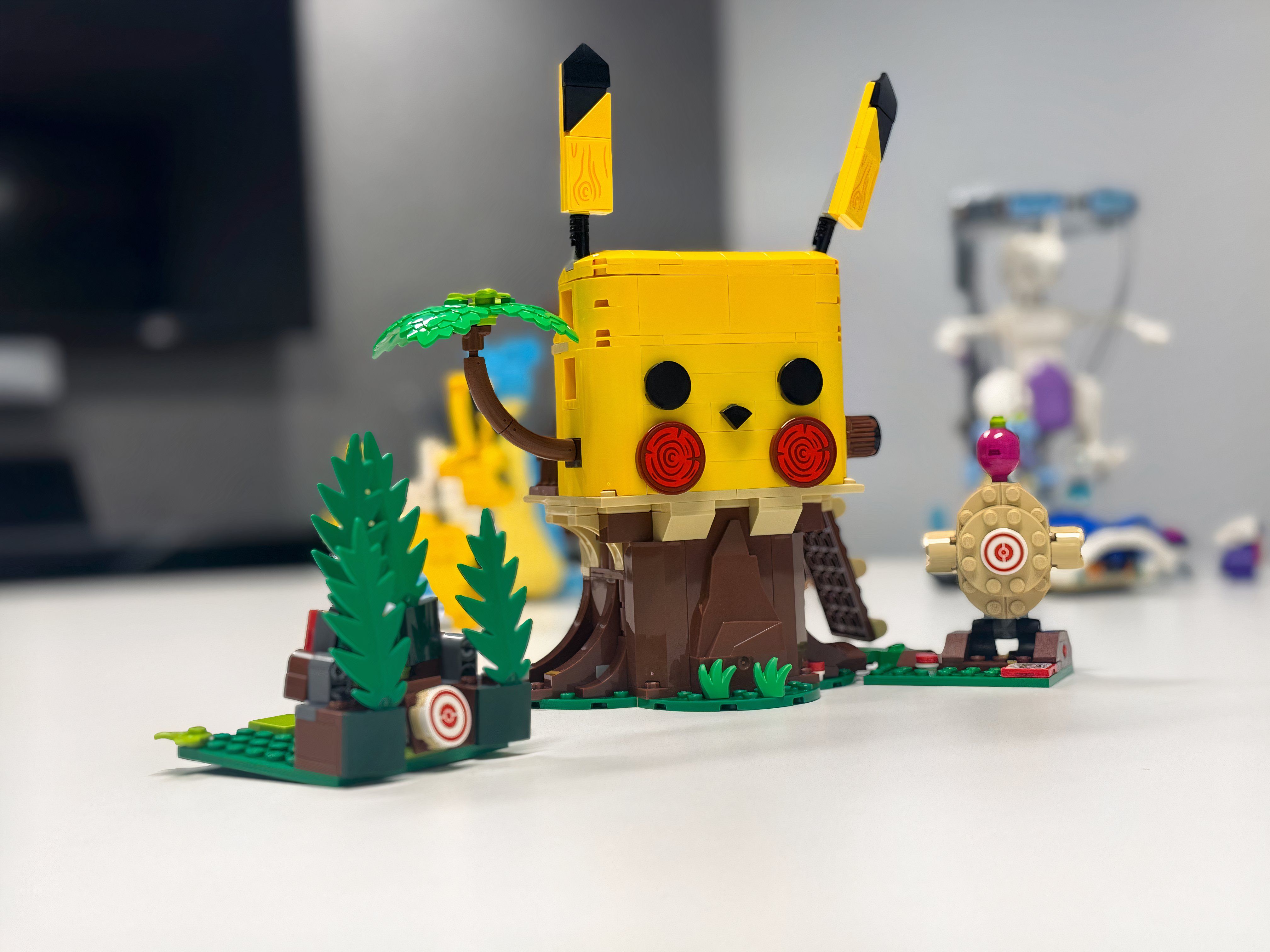
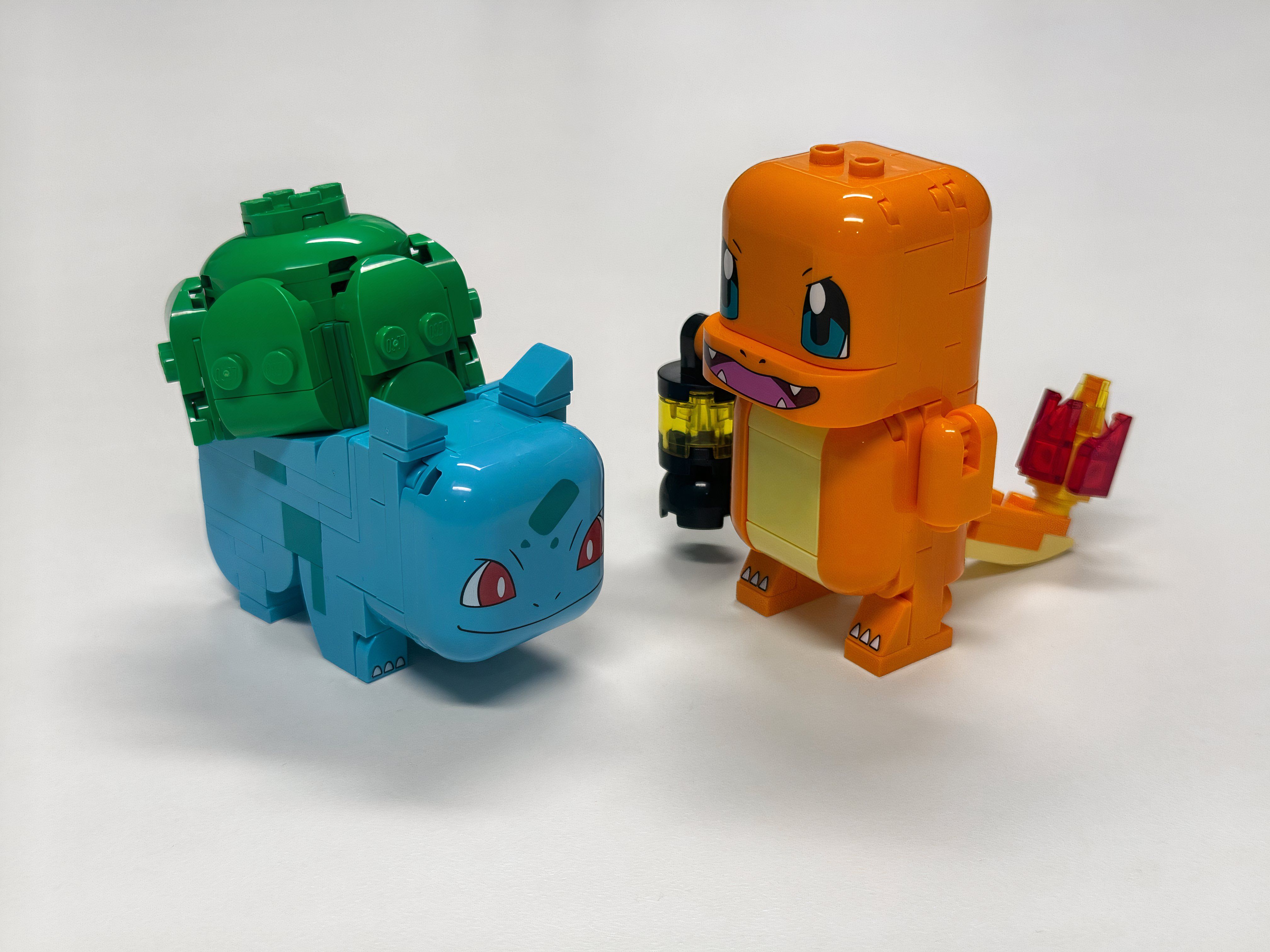
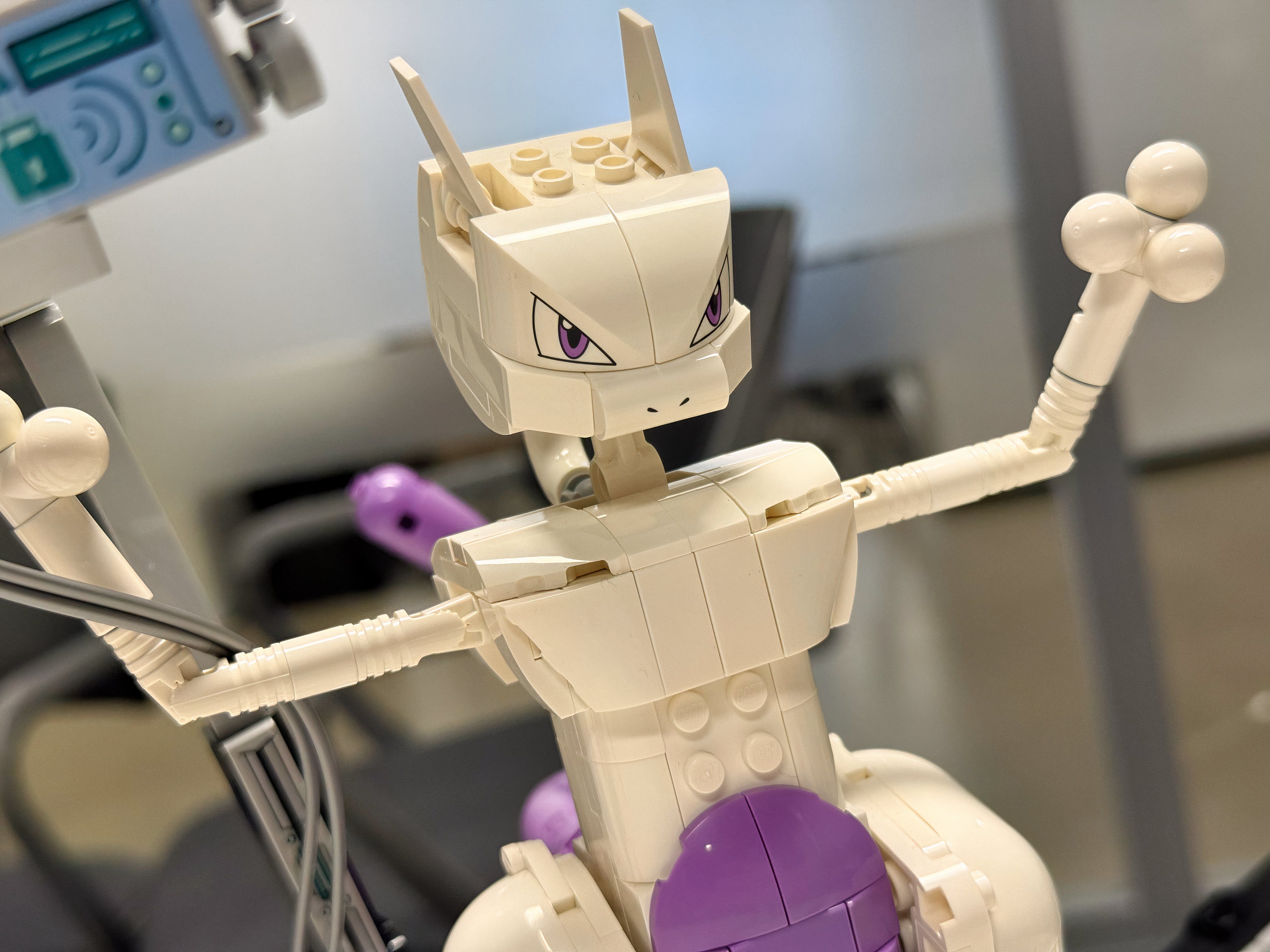
The range covers a broad selection of characters and play styles. Highlights include a Pikachu-shaped house with a concealed bed, Squirtle riding in a car that fires water discs, and Mewtwo housed in a tank that opens when its wheel is turned.
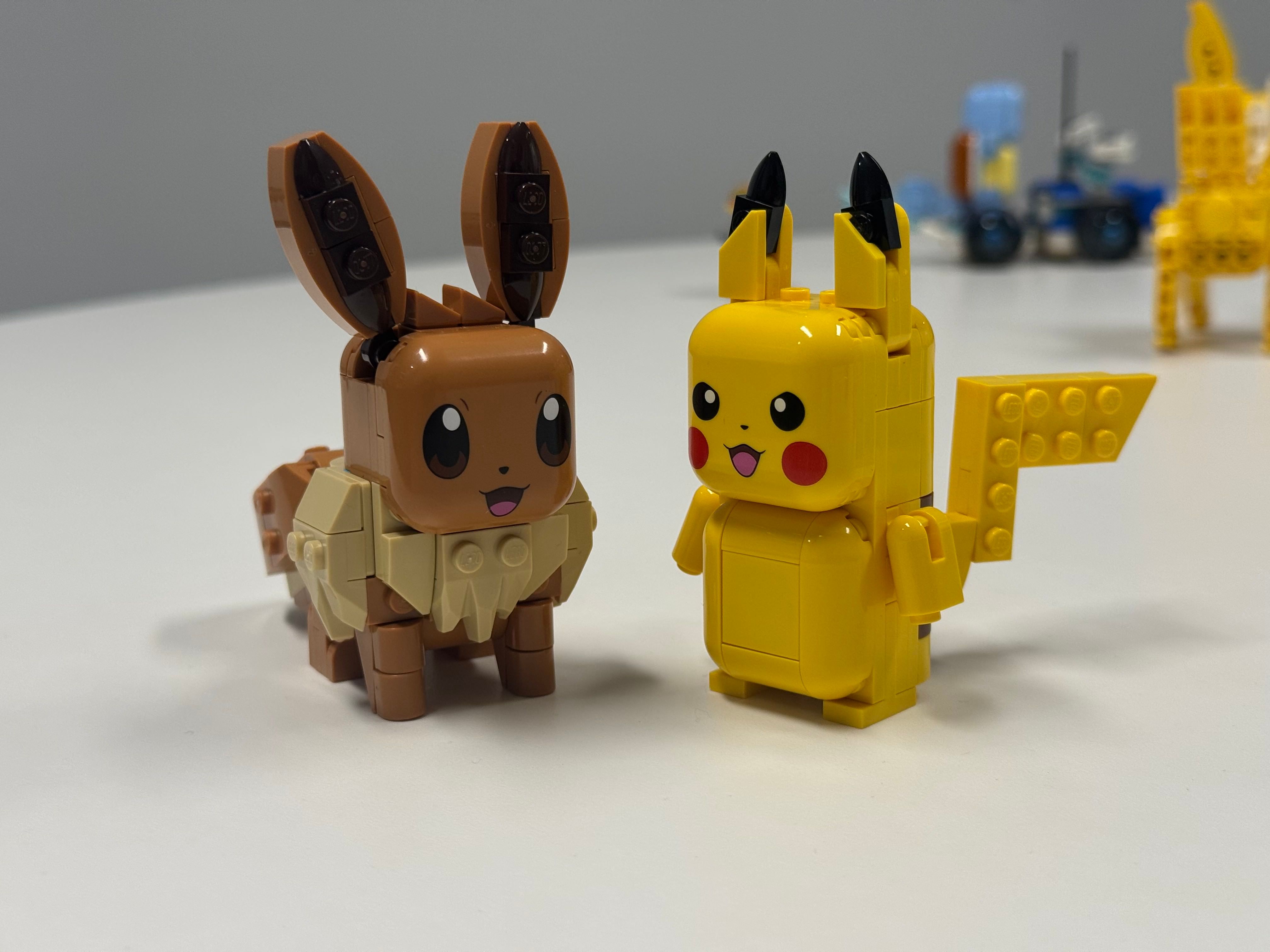
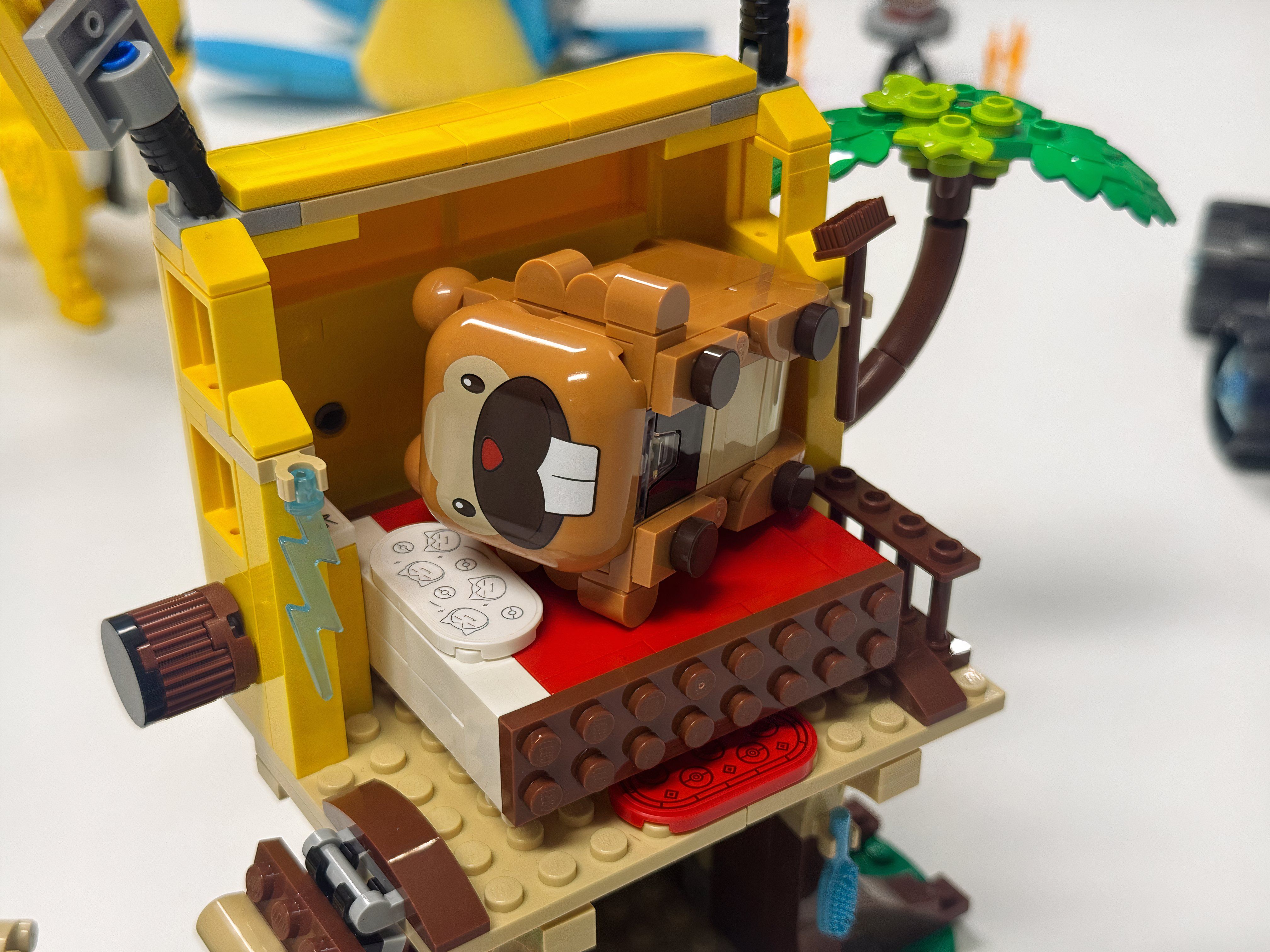
Smaller builds focus on cute Pikachu and Eevee figures, while a more advanced Charizard features wings with full articulation. Bidoof also makes an especially appealing appearance, including a version that can be placed in bed.
How Smart Bricks create interactions
The key component is the Smart Brick. Once fitted into a Pokémon, it allows that character to respond to other Pokémon, Smart Tags and interactive objects included with the sets.
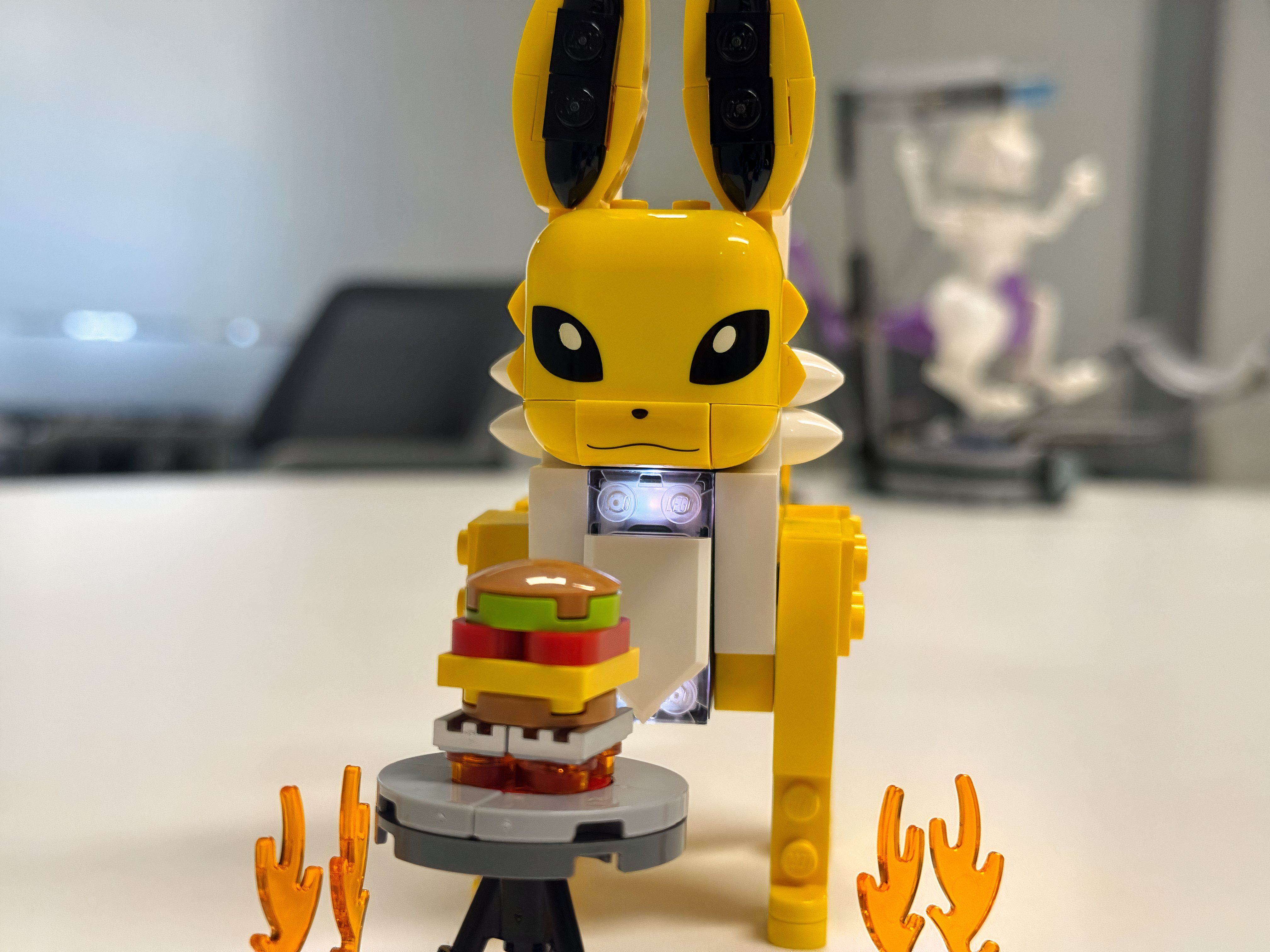
For example, a Jolteon Smart Brick can trigger a conversation with a nearby Squirtle. Place the Pokémon on a bed and it snores; put a burger beside it and it makes eating sounds. The included smart objects can be combined across the range, creating additional ways to play as more sets are added.
Pokémon battles with light, sound and movement
Smart Play also gives the models a simple battle system. Shake two Pokémon beside each other to start a fight and the battle music begins. Players can move the figures to land pretend hits, while shaking a Pokémon charges its attack.
There is a limit to that attack charge: shake for too long and the Pokémon becomes overcharged and briefly dazed. As the battle continues, each character loses HP. When one Pokémon reaches zero HP, the battle ends and a light identifies the winner.


Training can provide an advantage before a fight. Put a Pokémon near a training Smart Tag and act out striking a target to increase its attack power. A wounded character can be healed by placing a potion nearby.
A playful introduction to mini-RPG ideas
These mechanics give the LEGO models a light role-playing structure without requiring a console or a complicated rulebook. Children can invent their own battles, training routines and care activities, although energetic play could also send loose bricks across the room.
For a calmer experience, some sets concentrate on everyday activities rather than combat. Players can put Pokémon to bed or use a berry dispenser, making those builds a better fit for children who prefer gentle storytelling.
Collecting adds more possibilities
The range’s collecting appeal is strengthened by the way new sets can expand the interactions available from older ones. Each addition brings more Pokémon and smart objects into the same play system, encouraging children to mix and match their collection.
Prices span a wide range. Smaller sets start at $15, while the most elaborate set costs $120. The source material does not establish Australian pricing or availability, so local shoppers should check current details before making a purchase.

For readers more interested in interactive play at full scale, RETROCADE’s arcade news covers developments across the industry. Our arcade machine buying guide can help when choosing a home cabinet, while compact bartop arcades offer a smaller footprint. Builders can also explore DIY arcade kits for a hands-on project.
Related reading
A related report discusses why LEGO is not concerned about Pokémon resellers. It includes comments from a LEGO senior vice president about a surprising sales trend and has six posts attached to the discussion.


Leave a Reply