

The Game Boy Advance brought a convincing Super Nintendo-style experience to a handheld, expanding far beyond the simpler games associated with the original Game Boy and Game Boy Color. Many of its finest releases are now available through Nintendo Switch Online with the Expansion Pack, but several excellent titles remain absent.
These ten games would broaden the service with inventive action, strategy, role-playing, puzzle and pinball experiences. They also show why the GBA remains an important chapter in Nintendo’s handheld history. For more retro-gaming coverage, visit the RETROCADE arcade blog.


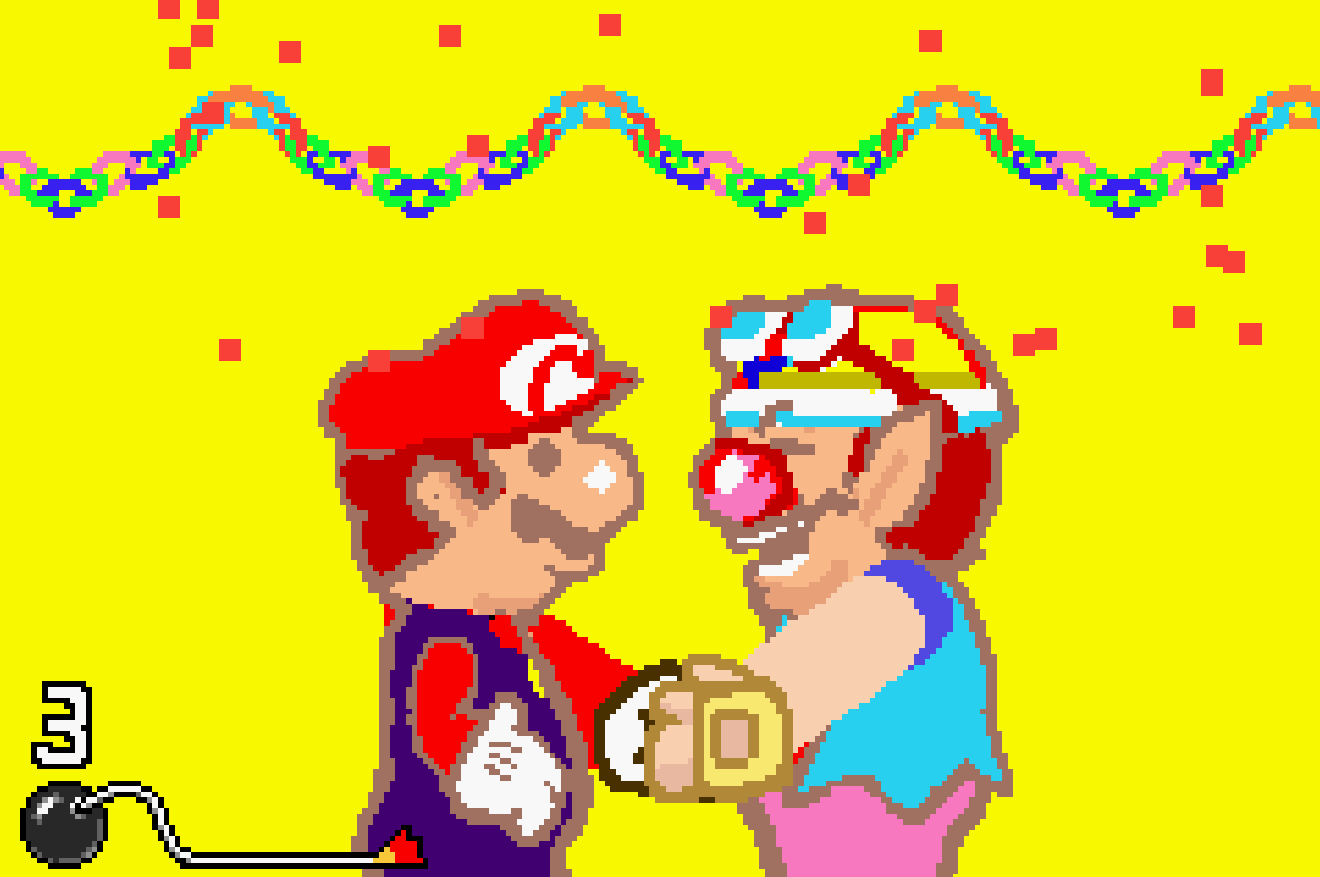
10. WarioWare: Twisted!
Released: 14 October 2004
The WarioWare series began on GBA with WarioWare, Inc.: Mega Microgame$!, turning Wario from Mario’s traditional antagonist into a businessman captivated by tiny video games. Its follow-up, WarioWare: Twisted!, delivered another rapid-fire collection of microgames, but replaced much of the conventional button input with physical rotation.
The cartridge’s motion-based design is probably the biggest obstacle to a modern re-release. Even so, its inventive control scheme and strong critical reputation make it one of the GBA games most deserving of a thoughtful adaptation for Switch Online.
9. Tales of Phantasia

Released: 1 August 2003
The first Tales game originally launched in Japan on Super Nintendo in 1995 and did not receive an overseas release on that hardware. The GBA version finally introduced players outside Japan to its action-RPG combat and vibrant presentation.
Nintendo published the game in 2006, while Namco adjusted the experience with a lower enemy encounter rate. English voice work was also added for North America and Europe. With the series still active, the GBA edition would be a valuable way to revisit its beginnings.
8. Drill Dozer

Released: 22 September 2005
Game Freak’s work extends well beyond Pokémon, and Drill Dozer is one of its most distinctive non-Pokémon releases. Known as Screw Breaker in Japan, this colourful platformer follows a young girl piloting a compact tank through destructible stages.
A rumble feature built into the cartridge made the drilling feel physical, adding an unusual touch for a handheld game. Its late GBA launch arrived while Nintendo was concentrating on the DS, leaving the title with limited marketing exposure and a comparatively small audience.
7. Kirby: Nightmare in Dream Land

Released: 25 October 2002
Kirby: Nightmare in Dream Land remakes the NES classic Kirby’s Adventure with improved visuals, multiplayer for up to four players and additional minigames. It also changes the balance, including tougher boss encounters and clearer entrances to hidden areas.
The accessible structure makes it especially well suited to younger players, while its four-player support would give the Switch version useful added appeal. The service already includes the more ambitious Kirby & The Amazing Mirror, making this earlier GBA adventure a natural companion.
6. Lufia: The Ruins of Lore

Released: 8 March 2002
Lufia: The Ruins of Lore is a side story set 20 years after Lufia 2: Rise of the Sinistrals. Its turn-based battles begin when players encounter visible enemies on the map, avoiding the constant random encounters common to many RPGs of its era.
The game also lets players recruit monsters rather than simply defeat them, with those allies providing powerful attacks in combat. With remakes of the first two Lufia games announced for 2027, the GBA entry would be a timely addition, although the source material notes that later instalments have not been confirmed for the same treatment.
5. Super Puzzle Fighter 2

Released: 28 March 2003
Super Puzzle Fighter 2 Turbo began in arcades in 1996 before reaching PlayStation and Saturn later that year. The GBA version, released without “Turbo” in its title, turns Capcom characters into miniature competitors who battle by matching falling gems.
Matching colours creates larger blocks, while clearing them can trigger satisfying chain reactions. The simple rules support long sessions, whether or not players know the associated Street Fighter and Darkstalkers characters. Online competition would be a modern equivalent to the original link-cable multiplayer. Until then, the game is available in the Capcom Fighting Collection.
4. Pokémon Pinball: Ruby & Sapphire

Released: 1 August 2003
Jupiter Corporation’s Pokémon Pinball: Ruby & Sapphire combines traditional pinball with Pokémon collecting and bright visuals. It includes two distinct tables, plus special challenges such as striking a Pokémon repeatedly before a timer expires.
The formula is straightforward but effective, offering goals beyond simply keeping the ball in play. Given the regular arrival of new Pokémon games and spin-offs, a return for this GBA pinball title would be a welcome surprise.

3. Onimusha Tactics

Released: 25 July 2003
The Onimusha series began with Onimusha: Warlords on PlayStation 2 in 2001 and remained active for several years. Onimusha Tactics took the franchise in a different direction, presenting a darker side story through colourful handheld visuals.
Instead of the series’ usual action combat, battles use a grid-based system reminiscent of Fire Emblem. Players position characters carefully to defeat opposing forces and advance the story. Its approachable strategy design and renewed interest in the franchise make it a strong candidate for a modern re-release.
2. Mega Man & Bass

Released: 10 August 2002
Originally released in Japan on Super Famicom as RockMan & Forte in 1998, Mega Man & Bass reached North America five years later as a GBA port. It remains harder to find than many other entries in Capcom’s long-running platforming series.
The game allows players to choose between Mega Man and Bass, whose different abilities change how the stages are approached. Its demanding levels and replay value make a second run worthwhile, while its continued absence from recent collections leaves a noticeable gap in the franchise’s digital history.
1. Tactics Ogre: The Knight of Lodis

Released: 21 June 2001
Before Square acquired Quest in 2002, the developer created several entries in the Ogre Battle series. Tactics Ogre: The Knight of Lodis was the final instalment and serves as a prequel to the broader storyline.
It follows Alphonse Loeher, a Lodis soldier who turns against his former allies while defending the kingdom of Ovis. Battles unfold across large maps with varied terrain and elevation, and the extensive selection of classes and weapons gives each encounter considerable depth.
The GBA format does not prevent the game from delivering a substantial tactical RPG, making its long absence particularly frustrating. It would be an excellent addition to Switch Online, especially if Square Enix has no plans for a remake comparable to Tactics Ogre: Reborn.
Why these GBA games still matter
This list covers more than familiar Nintendo mascots. It includes experimental controls, overlooked role-playing games, arcade-inspired competition and strategy systems that remain enjoyable decades after their original releases.
For readers recreating a classic gaming setup at home, the same design principles remain relevant beyond handheld software. A compact bartop arcade can suit smaller spaces, while a full arcade cabinet offers a more traditional centrepiece. Those planning a custom build can also explore DIY arcade kits and choose suitable arcade parts.


Leave a Reply