



Warning: spoilers for Spider-Man: Brand New Day, Spider-Man: No Way Home and the comic storyline “One More Day”.
Marvel’s most controversial Spider-Man reset still casts a long shadow. The 2007 comic crossover “One More Day” attempted to return Peter Parker to a younger, less settled status quo. Nearly two decades later, Spider-Man: Brand New Day offered an opportunity to examine the cost of that decision, but its most promising ideas were ultimately diluted.
What happened in One More Day?
“One More Day” was a four-part crossover written by J. Michael Straczynski and illustrated by Joe Quesada, who was Marvel Comics’ editor-in-chief at the time. Peter turns to the demon Mephisto after Aunt May is shot by an assassin in the aftermath of his public unmasking during Civil War.
Mephisto agrees to save May, but demands Peter and Mary Jane Watson’s marriage in return. Once they accept, reality changes. In the revised history, Peter misses his wedding because of his Spider-Man duties, leading the couple to reconsider the relationship. Doctor Strange also finds a way to erase knowledge of Peter’s secret identity from everyone’s memory.

The backlash was not simply about the marriage ending. Many readers objected to the supernatural shortcut used to create the new status quo. A difficult adult development, such as separation or divorce, could have emerged from the characters’ choices. Instead, a deus ex machina rewrote their lives.
That approach reflected a long-running editorial belief that Spider-Man worked best as a young, immature and unlucky hero. A married Peter dealing with adult responsibilities was seen as less appealing to the perceived core readership, despite the character’s history of tackling serious subjects.
Spider-Man has always handled mature stories
Some of the character’s most influential comics confront difficult realities. Drug abuse is central to The Amazing Spider-Man issues 96–98, while “The Night Gwen Stacy Died” in issues 121–122 deals with loss and its consequences. Those stories did not need reality-bending bargains to make Peter’s life harder.
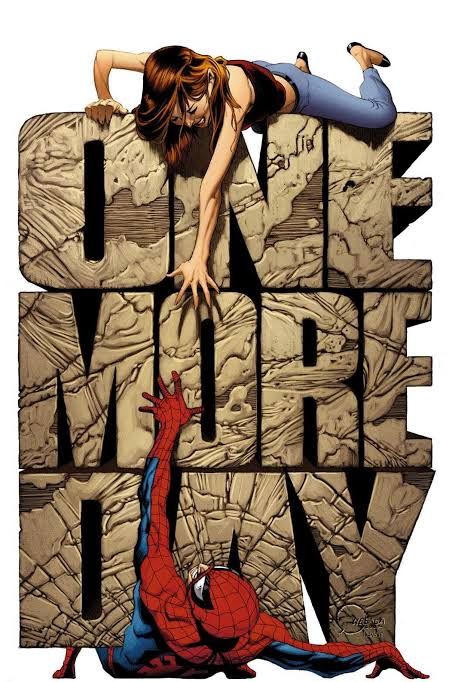
Straczynski later described disagreements with Quesada about how the marriage should be removed. For critics, that creative conflict became a symbol of editorial direction taking priority over organic character development.
Brand New Day shows the cost, then changes course
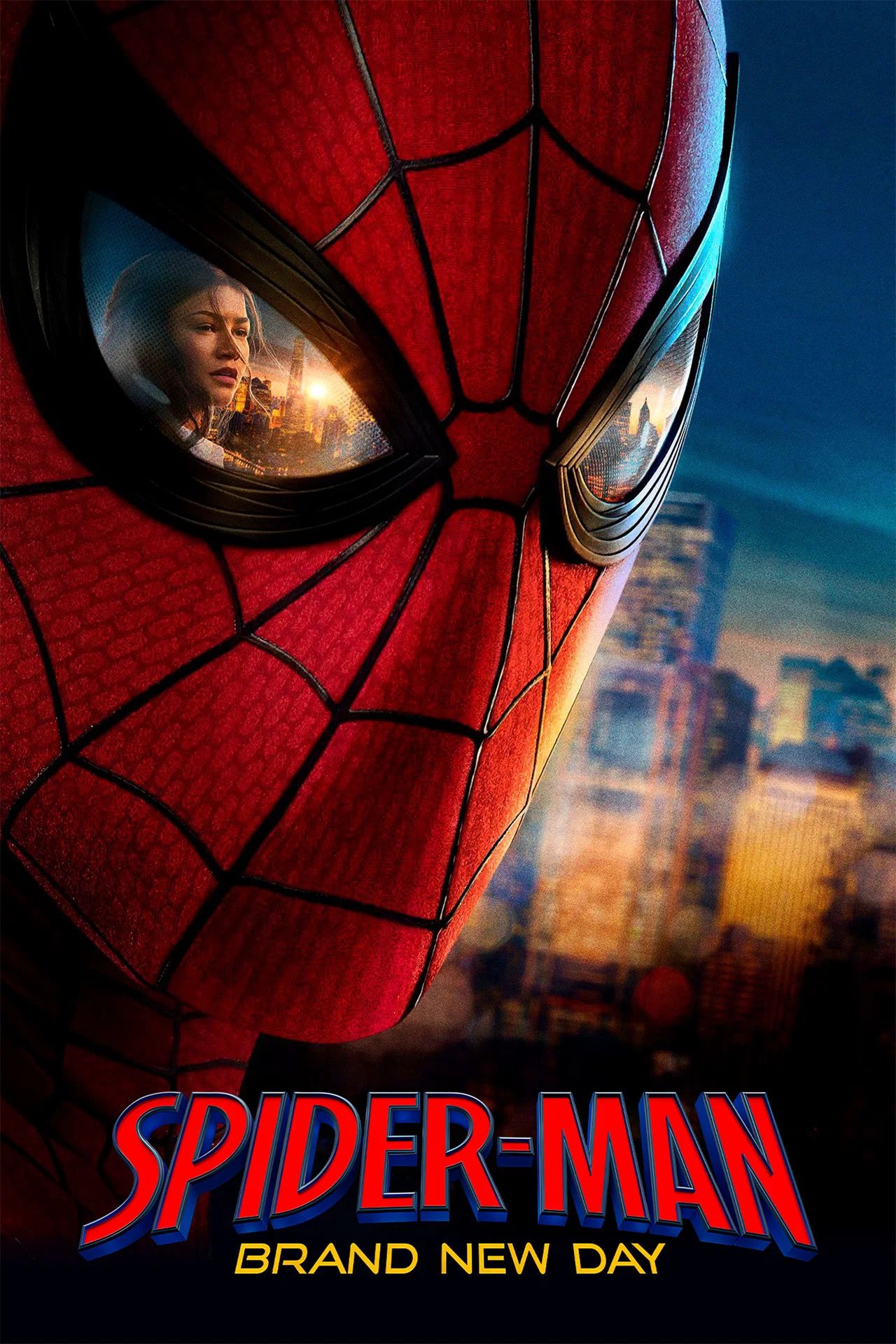
The early sections of Spider-Man: Brand New Day come close to addressing what the comic left unexplored. Peter watches friends move forward without him while he lives in a decaying attic and relies on delivered food. His isolation and depression give the mind-wipe premise a human cost.
The film’s opening also makes Peter’s responsibility feel dangerous rather than inspirational. When he first leaps from a roof, the scene suggests a hero struggling under the weight of his decisions before he finally fires his web.
That focus could have provided the long-awaited reckoning with “One More Day”. Instead, the film divides into two largely separate experiences: a bleak character study and a conventional, family-friendly superhero adventure.

Once the villains take centre stage, Peter’s personal story loses ground. Jean Grey’s plot is described as clichéd and disconnected from Peter, while the film’s other principal villain becomes an equally forgettable distraction. The X-Men material feels added to establish a wider connection rather than serving this particular Spider-Man story.
For readers and viewers interested in how superhero storytelling has evolved, RETROCADE’s arcade blog covers the wider games and entertainment culture surrounding iconic characters. Those themes also translate naturally to a dedicated arcade machine or a compact bartop arcade setup.
No Way Home made the premise work
Spider-Man: No Way Home used a related memory-erasure idea more effectively. Doctor Strange’s spell removes Peter’s identity and, ultimately, Peter himself from the memories of those closest to him. Crucially, the decision is not made to save Aunt May through a bargain with Mephisto.
May’s death pushes Peter towards a rushed and possibly mistaken choice. The multiverse and action set pieces support a personal story rather than replacing it. That is why the film’s version of the premise feels like a consequence of Peter’s actions instead of an imposed method for making him unhappy.
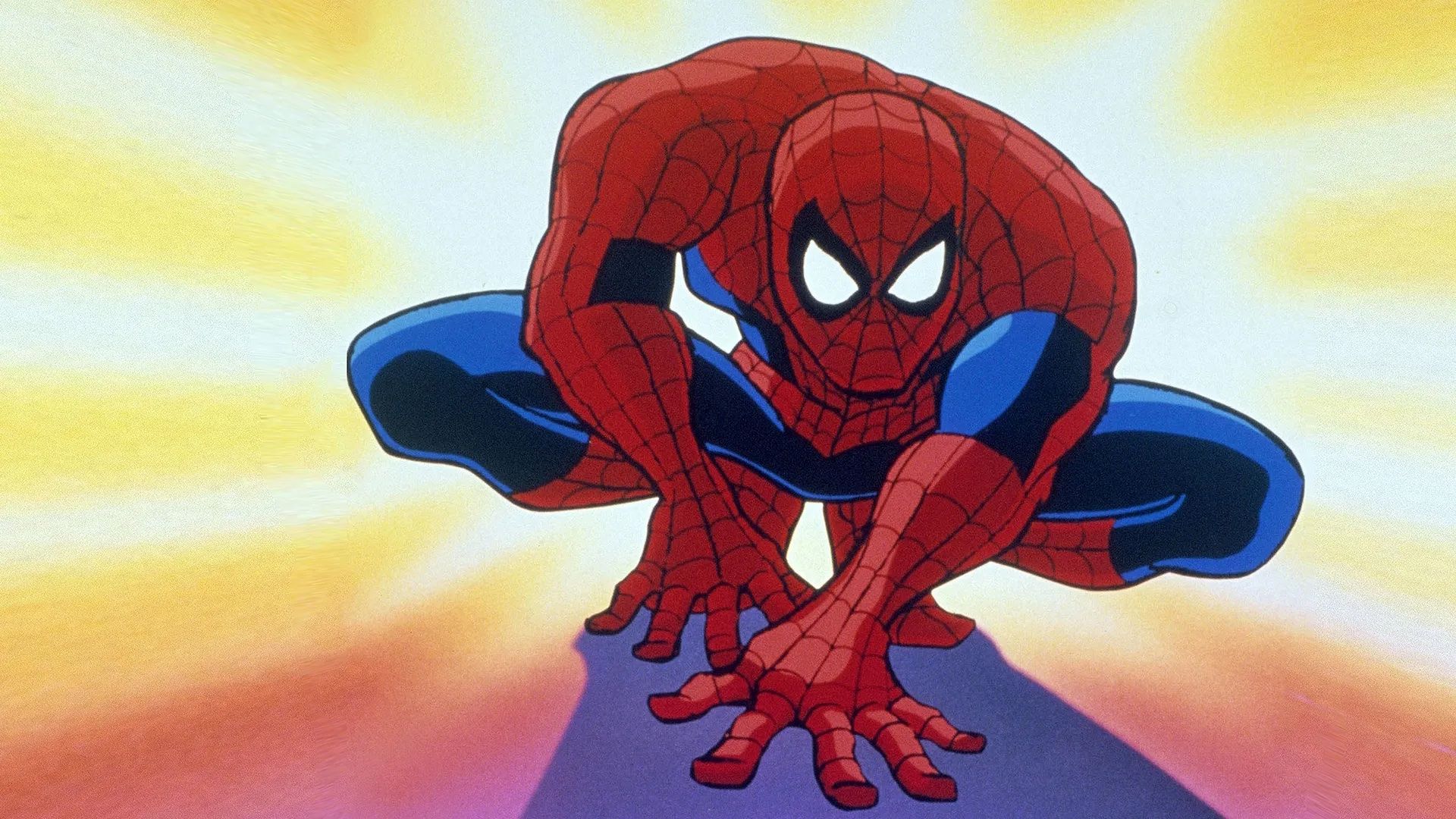
Brand New Day had a similar chance. It could have followed Peter as he accepted responsibility for an altered life, but team-ups, a MacGuffin-driven plot and its X-Men connection pull the film away from that central conflict.
The business of keeping Spider-Man young
The original editorial strategy may have been intended to make Spider-Man accessible to younger readers, but that appeal has proved especially powerful in film and television. Disney Junior’s Spidey and His Amazing Friends has reportedly been watched for about 1.25 billion hours since launching in 2021, based on Nielsen data.
Marvel Studios president Kevin Feige described cross-generational appeal as the ideal outcome for a fictional character in comments said to the Wall Street Journal. That success helps explain why studios continue to balance darker character drama with broad, accessible entertainment.
There is an uncomfortable irony in that balance. “One More Day” changed the comics to preserve a younger version of Peter, while the most compelling part of Brand New Day comes from watching an adult Peter endure the consequences of loss, loneliness and responsibility.
The curse remains
No Way Home corrected the most damaging idea in “One More Day”: that Peter should escape the results of his own decisions. Brand New Day briefly understands that lesson, then retreats into familiar studio superhero formulas.
The result is not an entirely unsuccessful film. Its strongest material shows how powerful a mature Spider-Man story could be. However, by moving away from Peter’s isolation and towards villains, team-ups and franchise-building, it misses the opportunity to resolve the central problem that has troubled fans for years.
Spider-Man: Brand New Day is in cinemas now.


Leave a Reply